
Understanding Bipolar Disorder
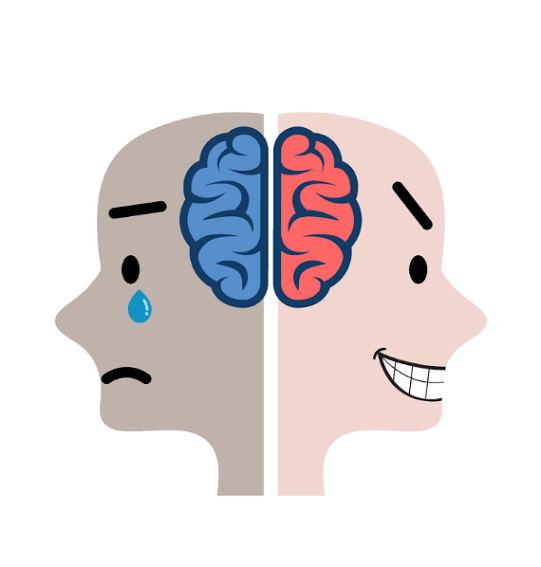
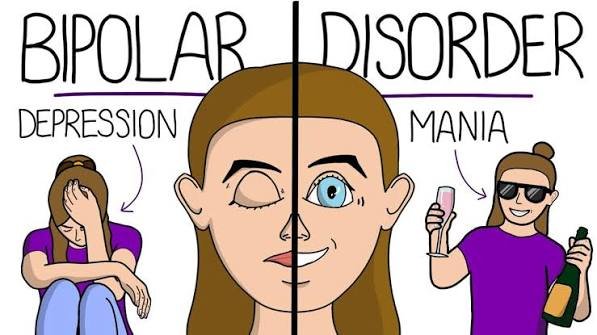
Bipolar disorder is a long-term mental health condition that causes unusual changes in mood, energy, activity levels, and the ability to perform daily tasks. These mood changes are much more intense than the normal emotional ups and downs everyone experiences. A person with bipolar disorder may have episodes of mania or hypomania, during which they feel unusually energetic, excited, or irritable. At other times, they may experience major depression, feeling extremely sad, hopeless, or exhausted. These episodes can last for days, weeks, or even months and often affect relationships, work, education, and overall quality of life.
Although bipolar disorder can develop at any age, it most commonly begins during the late teenage years or early adulthood. According to global health estimates, tens of millions of people worldwide live with bipolar disorder, making it one of the leading causes of disability among young adults. Fortunately, early diagnosis and appropriate treatment significantly improve long-term outcomes. Modern treatment combines medication, psychotherapy, healthy lifestyle habits, and regular medical follow-up to help many individuals lead productive and fulfilling lives.
Unlike temporary mood swings caused by stress or everyday life, bipolar disorder involves persistent mood episodes that require professional evaluation. It is not a sign of weakness, poor character, or lack of willpower. Instead, it is a medical condition involving complex interactions between brain chemistry, genetics, and environmental influences. Understanding the disorder is the first step toward effective management and reducing stigma.
Types of Bipolar Disorder
Healthcare professionals classify bipolar disorder into several types based on the pattern and severity of mood episodes. Bipolar I Disorder is characterized by at least one manic episode lasting at least seven days or requiring hospitalization. Depressive episodes commonly occur as well, although they are not required for diagnosis. Mania in Bipolar I can become severe enough to disrupt daily functioning and may include psychotic symptoms such as hallucinations or delusions.
Bipolar II Disorder involves episodes of major depression and hypomania. Hypomania is a milder form of mania that does not usually require hospitalization, but depression tends to be longer-lasting and more disabling. Many people with Bipolar II initially seek treatment for depression because hypomanic episodes may seem like periods of high productivity rather than illness.
Another recognized condition is Cyclothymic Disorder (Cyclothymia). This condition involves frequent mood fluctuations over at least two years in adults. Although the symptoms are milder than those seen in Bipolar I or II, they can still interfere with work, relationships, and emotional well-being. Some people also experience bipolar symptoms that do not fit neatly into these categories, leading to diagnoses such as “Other Specified Bipolar and Related Disorders.”
Recognizing the correct type is essential because treatment plans vary depending on the pattern of mood episodes and symptom severity.
Causes and Risk Factors
The exact cause of bipolar disorder remains unknown, but researchers believe it results from a combination of biological, genetic, and environmental factors rather than a single cause. Family history is one of the strongest known risk factors. Individuals with a parent or sibling who has bipolar disorder have a higher likelihood of developing the condition themselves, although many people with affected relatives never develop the illness.
Brain imaging studies suggest that differences in brain structure and the functioning of neurotransmitters such as dopamine, serotonin, and norepinephrine may contribute to mood instability. These chemicals help regulate mood, motivation, sleep, and emotional responses. When their balance is disrupted, mood episodes may become more likely.
Environmental factors also play an important role. Stressful life events, emotional trauma, major life changes, substance misuse, sleep deprivation, and certain medical illnesses may trigger mood episodes in susceptible individuals. However, these factors alone do not cause bipolar disorder; instead, they often act as triggers in people who already have an underlying vulnerability.
Understanding these risk factors helps healthcare providers develop personalized treatment plans that include both medication and lifestyle strategies aimed at reducing the frequency and severity of future episodes.
Common Symptoms of Bipolar Disorder
Symptoms vary between individuals, but bipolar disorder typically involves periods of mania, hypomania, and depression.
Symptoms of Mania
During a manic episode, a person may experience:
- Extremely elevated mood
- Increased energy
- Rapid speech
- Racing thoughts
- Reduced need for sleep
- Increased confidence
- Risk-taking behaviors
- Impulsive spending
- Poor judgment
- Increased sexual activity
In severe cases, mania may include hallucinations or delusions that require immediate medical attention. Because individuals often feel unusually confident during mania, they may not recognize that they need treatment.
Symptoms of Depression
Depressive episodes often include:
- Persistent sadness
- Loss of interest in enjoyable activities
- Fatigue
- Difficulty concentrating
- Feelings of guilt
- Appetite changes
- Sleep disturbances
- Hopelessness
- Thoughts of self-harm or suicide
Depression in bipolar disorder can be just as disabling as mania and often lasts longer. Prompt diagnosis and treatment are important to reduce the risk of complications and improve quality of life.
Diagnosis of Bipolar Disorder
Diagnosing bipolar disorder involves a detailed medical and psychological assessment rather than a single laboratory test. A psychiatrist or qualified mental health professional reviews the patient’s medical history, family history, current symptoms, previous mood episodes, sleep patterns, medication use, and any history of substance use.
Because other medical conditions such as thyroid disease, neurological disorders, or medication side effects can mimic bipolar symptoms, healthcare providers may recommend blood tests or physical examinations to rule out other causes. Mental health questionnaires and structured interviews also help identify patterns of mood changes that meet diagnostic criteria.
An accurate diagnosis is especially important because bipolar disorder is sometimes mistaken for major depressive disorder. Treating bipolar depression with antidepressants alone may increase the risk of triggering mania in some patients, making comprehensive evaluation essential before starting medication.
Part 2: Bipolar Disorder Medicines, Uses, Side Effects, Dosage, and Price Guide
Medicines Used to Treat Bipolar Disorder
Medication is the cornerstone of bipolar disorder treatment. The primary goals are to control acute manic or depressive episodes, prevent relapse, stabilize mood over the long term, and improve overall quality of life. The choice of medication depends on whether the patient is experiencing mania, bipolar depression, or is receiving maintenance treatment to prevent future episodes.
Doctors often prescribe a combination of medicines rather than relying on a single drug. Medication may also be combined with psychotherapy, healthy sleep habits, stress management, and family support. It is important to remember that bipolar medications should never be stopped suddenly without consulting a healthcare provider, as doing so may increase the risk of relapse or withdrawal symptoms.
Mood Stabilizers
Mood stabilizers are considered the foundation of bipolar disorder treatment because they help reduce both manic and depressive episodes while lowering the risk of future mood swings.
Lithium
Brand names: Lithobid, Eskalith (availability varies by country)
Uses
- Acute mania
- Long-term maintenance
- Reduces risk of suicide
- Prevents relapse
Common Side Effects
- Increased thirst
- Frequent urination
- Mild hand tremor
- Weight gain
- Nausea
- Fatigue
Serious Side Effects
- Kidney damage
- Thyroid dysfunction
- Lithium toxicity
- Irregular heartbeat
Monitoring Required
Patients taking lithium require regular blood tests to monitor lithium levels, kidney function, and thyroid function. Maintaining adequate hydration is also essential.
Typical Daily Dose
- 600–1,800 mg (adjusted according to blood levels)
Approximate Monthly Price
| Country | Estimated Cost |
|---|---|
| United States | $15–50 |
| United Kingdom | £5–20 (NHS prescriptions differ) |
| India | ₹150–600 |
| Pakistan | PKR 500–2,000 |
Valproate (Valproic Acid / Divalproex)
Valproate is widely used for treating acute manic episodes and preventing recurrence.
Uses
- Acute mania
- Mixed episodes
- Maintenance therapy
Common Side Effects
- Sleepiness
- Tremor
- Weight gain
- Hair thinning
- Stomach upset
Serious Side Effects
- Liver injury
- Pancreatitis
- Birth defects if used during pregnancy
- Low platelet count
Typical Dose
- 750–2,000 mg daily
| Country | Estimated Monthly Cost |
|---|---|
| USA | $20–80 |
| UK | £5–25 |
| India | ₹120–700 |
| Pakistan | PKR 400–1,800 |
Lamotrigine
Lamotrigine is particularly effective for preventing bipolar depression.
Uses
- Bipolar depression
- Maintenance treatment
- Prevention of depressive relapse
Common Side Effects
- Headache
- Dizziness
- Double vision
- Nausea
Serious Side Effect
- Rare but potentially life-threatening skin rash (Stevens-Johnson Syndrome)
Because of this risk, doctors gradually increase the dose over several weeks.
Typical Dose
- 100–200 mg daily
Antipsychotic Medicines
Modern (second-generation) antipsychotics are frequently prescribed for bipolar disorder because they help control mania and, in some cases, bipolar depression.
Quetiapine
Uses
- Mania
- Bipolar depression
- Maintenance treatment
Common Side Effects
- Sleepiness
- Dry mouth
- Weight gain
- Constipation
- Dizziness
Serious Side Effects
- Diabetes
- High cholesterol
- Low blood pressure
- Heart rhythm abnormalities
Typical Dose
- 300–800 mg daily
Olanzapine
Olanzapine is highly effective for acute mania but is associated with significant weight gain.
Uses
- Mania
- Maintenance therapy
Common Side Effects
- Increased appetite
- Weight gain
- Sleepiness
- Dry mouth
Serious Side Effects
- Diabetes
- Metabolic syndrome
- Elevated cholesterol
Typical Dose
- 5–20 mg daily
Risperidone
Risperidone is commonly prescribed during manic episodes.
Uses
- Acute mania
- Mixed episodes
Common Side Effects
- Restlessness
- Drowsiness
- Weight gain
- Muscle stiffness
Serious Side Effects
- High prolactin levels
- Movement disorders
- Tardive dyskinesia (rare)
Typical Dose
- 1–6 mg daily
Aripiprazole
Aripiprazole is generally associated with less weight gain than several other antipsychotics.
Uses
- Mania
- Maintenance therapy
Common Side Effects
- Restlessness
- Insomnia
- Anxiety
- Nausea
Typical Dose
- 10–30 mg daily
Lurasidone
Lurasidone is commonly used for bipolar depression.
Uses
- Bipolar depression
Common Side Effects
- Sleepiness
- Nausea
- Restlessness
Typical Dose
- 20–120 mg daily
Antidepressants
Antidepressants are not usually used alone in bipolar disorder because they may trigger mania in some individuals. When prescribed, they are generally combined with a mood stabilizer or an antipsychotic.
Common antidepressants include:
- Sertraline
- Fluoxetine
- Escitalopram
- Bupropion
Possible Side Effects
- Headache
- Nausea
- Sexual dysfunction
- Insomnia
- Increased sweating
- Anxiety
Doctors carefully monitor patients taking antidepressants for signs of mood switching or increased agitation.
Anti-Anxiety Medicines
Short-term anti-anxiety medications may be prescribed during periods of severe agitation or insomnia.
Examples include:
- Lorazepam
- Clonazepam
These medicines can be effective for brief periods but are generally not recommended for long-term use because they may cause dependence and withdrawal symptoms.
Common side effects include:
- Drowsiness
- Poor coordination
- Memory problems
- Fatigue
Comparison of Common Bipolar Disorder Medicines
| Medicine | Main Use | Weight Gain | Sleepiness | Blood Test Needed |
|---|---|---|---|---|
| Lithium | Mania & Maintenance | Moderate | Mild | Yes |
| Valproate | Mania | Moderate | Moderate | Yes |
| Lamotrigine | Bipolar Depression | Minimal | Low | No |
| Quetiapine | Mania & Depression | High | High | Usually |
| Olanzapine | Mania | Very High | Moderate | Recommended |
| Risperidone | Mania | Moderate | Moderate | Sometimes |
| Aripiprazole | Mania | Low | Low | Usually No |
| Lurasidone | Bipolar Depression | Low | Mild | Usually No |
General Medicine Price Guide
Medication prices vary depending on the country, manufacturer, insurance coverage, and whether a generic or brand-name product is used.
| Medicine | USA | UK | India | Pakistan |
|---|---|---|---|---|
| Lithium | $15–50 | £5–20 | ₹150–600 | PKR 500–2,000 |
| Valproate | $20–80 | £5–25 | ₹120–700 | PKR 400–1,800 |
| Lamotrigine | $10–60 | £5–30 | ₹200–900 | PKR 600–2,500 |
| Quetiapine | $15–90 | £5–35 | ₹250–1,200 | PKR 800–3,000 |
| Olanzapine | $10–70 | £5–25 | ₹150–800 | PKR 500–2,200 |
| Risperidone | $10–60 | £5–25 | ₹100–700 | PKR 400–1,800 |
| Aripiprazole | $20–120 | £10–40 | ₹300–1,500 | PKR 900–4,000 |
| Lurasidone | $600–1,500 (brand-dependent) | £60–150 | ₹2,500–6,000 | Limited availability |
Note: These are approximate retail price ranges and may vary significantly. Generic medicines are typically much less expensive than brand-name versions, and insurance coverage or national health systems can reduce out-of-pocket costs.
Lifestyle Management Alongside Medication
Medication works best when combined with healthy lifestyle habits. Maintaining a consistent sleep schedule, eating a balanced diet, exercising regularly, avoiding alcohol and recreational drugs, and managing stress can all help reduce the frequency and severity of mood episodes. Keeping a daily mood journal and taking medications exactly as prescribed can also improve long-term stability.
Psychotherapy, including Cognitive Behavioral Therapy (CBT), family-focused therapy, interpersonal and social rhythm therapy, and psychoeducation, can help individuals recognize early warning signs of relapse, improve coping skills, and strengthen relationships. Family members and caregivers also play a valuable role by supporting treatment adherence and encouraging regular follow-up appointments.
Part 3: Living with Bipolar Disorder, Prevention, Latest Research, Conclusion, and FAQs
Living with Bipolar Disorder
Receiving a diagnosis of bipolar disorder can feel overwhelming at first, but many people successfully manage the condition and lead fulfilling lives. The key is to view bipolar disorder as a long-term medical condition that requires ongoing care, much like diabetes or high blood pressure. With the right combination of medication, therapy, healthy habits, and social support, many individuals achieve long periods of mood stability.
Building a daily routine is one of the most effective ways to manage bipolar disorder. Going to bed and waking up at the same time each day helps regulate the body’s internal clock, which can reduce the risk of mood episodes. Regular physical activity, a balanced diet, and avoiding alcohol or recreational drugs also contribute to emotional stability. Even small changes, such as practicing relaxation techniques or limiting excessive caffeine intake, can make a meaningful difference.
Support from family and friends is equally important. Loved ones who understand bipolar disorder can recognize early warning signs of mood changes and encourage timely medical care. Joining a support group may also provide valuable encouragement and practical advice from others with similar experiences. Open communication with healthcare providers ensures that treatment plans can be adjusted if symptoms change over time.
Preventing Relapse
Although bipolar disorder cannot currently be cured, many relapses can be prevented through consistent treatment and self-care. One of the most common reasons for relapse is stopping medication without medical advice. Even if symptoms improve, continuing treatment as prescribed is often essential to maintaining long-term stability.
Some practical strategies to reduce the risk of relapse include:
- Take medications exactly as prescribed.
- Attend regular follow-up appointments with your healthcare provider.
- Maintain a consistent sleep schedule.
- Learn to recognize personal warning signs, such as changes in sleep, energy, or mood.
- Manage stress through mindfulness, exercise, or counseling.
- Avoid alcohol and recreational drugs, which can worsen symptoms or interfere with medications.
- Keep a mood diary to track emotional changes and identify potential triggers.
Family members and caregivers can also help by encouraging adherence to treatment and seeking professional advice if significant mood changes occur.
Bipolar Disorder During Pregnancy
Managing bipolar disorder during pregnancy requires careful planning. Some medications, particularly valproate, carry a high risk of birth defects and are generally avoided during pregnancy unless no safer alternatives are available. Other medications may also require dose adjustments or close monitoring.
Women who are planning a pregnancy or who become pregnant should never stop bipolar medications on their own. Suddenly discontinuing treatment may increase the risk of severe mood episodes, which can also affect both the mother and the developing baby. Decisions about medication should always be made in consultation with a psychiatrist and an obstetrician experienced in high-risk pregnancies.
Breastfeeding considerations vary depending on the medication being used, as some medicines pass into breast milk. Individualized medical advice is essential to balance the benefits and potential risks.
Latest Advances in Bipolar Disorder Treatment
Research into bipolar disorder continues to improve understanding of the condition and its treatment. Scientists are investigating genetic factors, brain imaging techniques, and biomarkers that may eventually allow earlier diagnosis and more personalized treatment strategies.
Newer medications and treatment approaches aim to provide effective symptom control with fewer side effects. Researchers are also exploring digital health tools, including smartphone applications that help patients monitor mood, sleep, and medication adherence. These technologies may help identify early warning signs of relapse and support timely intervention.
Psychotherapy continues to evolve alongside medication-based treatment. Cognitive Behavioral Therapy (CBT), Interpersonal and Social Rhythm Therapy (IPSRT), and Family-Focused Therapy have shown benefits in improving medication adherence, reducing relapse rates, and enhancing quality of life. As research progresses, treatment plans are becoming increasingly individualized to meet each person’s unique needs.
Conclusion
Bipolar disorder is a complex but highly treatable mental health condition. While it can significantly affect mood, relationships, work, and daily functioning, early diagnosis and comprehensive treatment allow many individuals to achieve long-term stability. Modern care combines mood stabilizers, atypical antipsychotics, psychotherapy, healthy lifestyle habits, and regular medical monitoring to reduce symptoms and prevent relapse.
Every medication has potential benefits and risks. Medicines such as lithium, lamotrigine, valproate, quetiapine, olanzapine, risperidone, aripiprazole, and lurasidone each have specific roles depending on the type of bipolar disorder and the individual’s symptoms. Because responses to treatment vary, therapy should always be personalized and supervised by a qualified healthcare professional.
Managing bipolar disorder is an ongoing process rather than a one-time treatment. Consistent medication use, regular follow-up appointments, healthy daily routines, and strong social support can help people live productive, meaningful, and rewarding lives. Increased awareness and reduced stigma also encourage earlier diagnosis and better access to care, ultimately improving outcomes for individuals and their families.
Frequently Asked Questions (FAQs)
1. Can bipolar disorder be cured?
There is currently no permanent cure for bipolar disorder. However, it can often be managed successfully with medication, psychotherapy, and healthy lifestyle habits, allowing many people to lead stable and productive lives.
2. Which medicine is considered the best for bipolar disorder?
There is no single “best” medication for everyone. Lithium is widely regarded as one of the most effective long-term mood stabilizers, but the ideal treatment depends on the individual’s symptoms, medical history, and response to therapy.
3. What are the most common side effects of bipolar medications?
Common side effects include weight gain, drowsiness, dizziness, tremor, nausea, dry mouth, increased thirst, and changes in appetite. The specific side effects vary depending on the medication.
4. Is bipolar disorder hereditary?
Genetics play a significant role, and having a close family member with bipolar disorder increases the risk. However, not everyone with a family history develops the condition, indicating that environmental factors also contribute.
5. Can someone with bipolar disorder live a normal life?
Yes. With proper treatment, regular medical care, healthy routines, and support from family and friends, many people with bipolar disorder maintain successful careers, healthy relationships, and a high quality of life.