
Diabetes: Complete Guide to Symptoms, Causes, Medicines, Side Effects & Prices (2026)
What Is Diabetes?
Diabetes mellitus is one of the most common chronic diseases affecting millions of people worldwide. It develops when the body cannot properly regulate blood glucose (blood sugar), causing glucose levels to rise above the normal range. Glucose is the body’s primary source of energy, and insulin—a hormone produced by the pancreas—helps move glucose from the bloodstream into the body’s cells. When insulin is absent, insufficient, or ineffective, glucose builds up in the blood instead of being used for energy.
Diabetes is more than just “high blood sugar.” If left untreated, it can gradually damage the heart, kidneys, eyes, nerves, and blood vessels. Fortunately, modern medicine has made diabetes much more manageable through early diagnosis, healthy lifestyle changes, regular monitoring, and effective medications. Whether someone has Type 1 diabetes, Type 2 diabetes, or gestational diabetes, the goal of treatment is to maintain healthy blood sugar levels and reduce the risk of long-term complications.
The number of people living with diabetes continues to increase because of aging populations, unhealthy eating habits, obesity, and physical inactivity. Early recognition of symptoms and prompt medical treatment can significantly improve quality of life and prevent serious health problems.
How Diabetes Affects the Body
Every time you eat carbohydrates, your digestive system converts them into glucose. The pancreas releases insulin, which helps move glucose into the body’s cells where it is used as fuel. In diabetes, this process becomes disrupted.
People with Type 1 diabetes produce little or no insulin because the immune system attacks the insulin-producing cells of the pancreas. Those with Type 2 diabetes usually produce insulin, but their bodies become resistant to it. As insulin resistance worsens, blood sugar levels rise higher and remain elevated for longer periods after meals.
Persistently high blood sugar damages blood vessels and nerves throughout the body. Over time, diabetes can increase the risk of heart disease, stroke, kidney failure, blindness, foot ulcers, nerve pain, and infections. This is why maintaining blood sugar within the target range is essential.
Regular blood glucose monitoring, healthy eating, exercise, medication adherence, and routine medical checkups all work together to reduce these risks and improve long-term health outcomes.
Why Blood Sugar Matters
Blood sugar is the body’s main energy source, but balance is everything. When blood sugar remains too high for months or years, it silently damages organs without causing noticeable symptoms in the early stages. Many people discover they have diabetes only after routine blood tests or after complications begin to appear.
Maintaining healthy blood sugar levels helps protect vital organs and supports better energy levels, mood, concentration, and immune function. Doctors typically monitor blood sugar using fasting blood glucose, post-meal blood glucose, and the HbA1c test, which reflects average blood sugar over the previous two to three months.
Blood sugar management is not solely about taking medication. Healthy eating, maintaining a healthy body weight, regular physical activity, stress management, adequate sleep, and avoiding tobacco all play significant roles in diabetes control. Even small improvements in lifestyle can produce meaningful reductions in blood sugar and decrease the risk of long-term complications.
Types of Diabetes
Diabetes is not a single disease but rather a group of metabolic disorders that share the common feature of elevated blood glucose levels. Each type develops for different reasons, affects different groups of people, and requires a unique approach to treatment. Understanding these differences helps patients and caregivers make informed decisions about lifestyle changes, medications, and long-term management. While the symptoms of different types of diabetes can overlap, their underlying causes are distinct. Medical professionals diagnose the specific type through blood tests, medical history, age, symptoms, and, in some cases, specialized antibody testing. Early diagnosis is essential because delaying treatment can increase the risk of complications affecting the heart, kidneys, eyes, nerves, and blood vessels. Modern medical advances have significantly improved the outlook for people living with diabetes, allowing many individuals to live long, healthy, and active lives with proper treatment and regular monitoring.
Type 1 Diabetes
Type 1 diabetes is an autoimmune disease in which the body’s immune system mistakenly attacks and destroys the insulin-producing beta cells in the pancreas. As these cells are damaged, the pancreas gradually loses its ability to produce insulin, making insulin therapy essential for survival. Type 1 diabetes commonly develops during childhood or adolescence, although adults can also develop the condition. The exact cause remains unknown, but researchers believe that genetic factors combined with environmental triggers such as viral infections may contribute to its development. Symptoms usually appear rapidly and include excessive thirst, frequent urination, unexplained weight loss, extreme hunger, blurred vision, fatigue, and increased susceptibility to infections. Without prompt treatment, patients may develop diabetic ketoacidosis (DKA), a life-threatening emergency requiring immediate medical attention. Daily insulin injections or insulin pumps, regular blood sugar monitoring, balanced nutrition, carbohydrate counting, and physical activity form the cornerstone of treatment. Ongoing medical follow-up helps reduce complications and ensures insulin doses remain appropriate throughout different stages of life.
Type 2 Diabetes
Type 2 diabetes accounts for approximately 90–95% of all diabetes cases worldwide. Unlike Type 1 diabetes, the pancreas still produces insulin, but the body’s cells become resistant to its effects. Over time, the pancreas may also produce less insulin, causing blood glucose levels to rise even further. This condition is strongly associated with obesity, physical inactivity, poor dietary habits, increasing age, family history, and certain ethnic backgrounds. Many people live with Type 2 diabetes for years before diagnosis because symptoms often develop gradually. Common symptoms include excessive thirst, increased urination, fatigue, slow-healing wounds, blurred vision, frequent infections, numbness or tingling in the hands and feet, and unexplained weight changes. Fortunately, Type 2 diabetes is highly manageable through healthy eating, regular exercise, weight loss, medications, and sometimes insulin therapy. Early intervention significantly reduces the risk of heart disease, stroke, kidney disease, and vision loss. Many patients achieve excellent blood sugar control through consistent lifestyle improvements combined with appropriate medication prescribed by their healthcare provider.
Gestational Diabetes
Gestational diabetes develops during pregnancy when hormonal changes interfere with the body’s ability to use insulin effectively. Although many women have no obvious symptoms, elevated blood sugar can affect both the mother and the developing baby. Gestational diabetes usually appears during the second or third trimester and is diagnosed using glucose screening tests performed as part of routine prenatal care. Risk factors include obesity, advanced maternal age, previous gestational diabetes, family history of diabetes, and certain hormonal disorders such as polycystic ovary syndrome (PCOS). Proper treatment focuses on maintaining healthy blood sugar through a balanced diet, regular physical activity, blood glucose monitoring, and insulin therapy if necessary. Most women return to normal blood sugar levels after delivery, but they remain at increased risk of developing Type 2 diabetes later in life. Babies born to mothers with poorly controlled gestational diabetes may have higher birth weight, breathing difficulties, or low blood sugar immediately after birth. Careful prenatal monitoring greatly reduces these risks and supports healthier outcomes for both mother and baby.
Common Symptoms of Diabetes
Recognizing the symptoms of diabetes early can lead to faster diagnosis and better treatment outcomes. Symptoms may vary depending on the type of diabetes, age, blood sugar levels, and overall health. Some people experience severe symptoms within days or weeks, while others may have mild signs that gradually worsen over several years. High blood sugar affects nearly every organ system in the body, producing symptoms related to dehydration, reduced energy production, nerve function, and immune response. Understanding these warning signs allows individuals to seek medical attention before serious complications develop.
Early Warning Signs
Early diabetes symptoms often develop quietly and may initially be mistaken for stress, aging, or other common health conditions. One of the earliest signs is frequent urination, as the kidneys work harder to remove excess glucose from the bloodstream. This increased urination leads to excessive thirst, causing many people to drink significantly more fluids than usual. Persistent hunger occurs because glucose cannot enter the body’s cells efficiently, leaving them deprived of energy despite adequate food intake. Fatigue becomes increasingly common because muscles and organs cannot effectively utilize glucose for fuel. Some individuals notice blurred vision caused by temporary swelling of the eye’s lens due to elevated blood sugar. Others may experience dry skin, increased infections, itching, slow wound healing, or unexplained weight loss. These symptoms should never be ignored, particularly if multiple signs occur simultaneously or persist for several weeks.
Serious Symptoms
When diabetes remains untreated or poorly controlled, more severe symptoms may develop. Persistently elevated blood sugar damages nerves, blood vessels, and internal organs, increasing the likelihood of chronic complications. Patients may develop numbness, tingling, burning sensations, or pain in the hands and feet due to diabetic neuropathy. Vision problems can progress from blurred vision to diabetic retinopathy, potentially leading to blindness if untreated. Kidney damage may cause swelling, fatigue, and reduced kidney function over time. Slow-healing foot ulcers increase the risk of severe infections and, in advanced cases, amputation. Individuals with Type 1 diabetes are particularly vulnerable to diabetic ketoacidosis, characterized by nausea, vomiting, abdominal pain, fruity-smelling breath, rapid breathing, confusion, and dehydration. This medical emergency requires immediate hospital treatment. Regular medical checkups, blood sugar monitoring, and adherence to prescribed treatment plans help prevent these complications and support long-term health.
Causes and Risk Factors of Diabetes
Diabetes develops because the body loses its ability to regulate blood sugar efficiently, but the exact reason depends on the type of diabetes. In Type 1 diabetes, the immune system mistakenly attacks the insulin-producing beta cells of the pancreas. Scientists believe that a combination of inherited genes and environmental triggers, such as viral infections, contributes to this autoimmune response. Since the pancreas produces little or no insulin after these cells are destroyed, insulin therapy becomes essential for survival. Unlike Type 2 diabetes, Type 1 is not caused by eating too much sugar or being overweight.
For Type 2 diabetes, the situation is different. The pancreas continues producing insulin, but the body’s cells become resistant to its effects. Initially, the pancreas compensates by making more insulin, but over time it cannot keep up with the body’s increasing demand. Blood sugar gradually rises, often without noticeable symptoms for several years. Lifestyle choices play a significant role in the development of Type 2 diabetes, although genetics also influence a person’s risk.
Several factors increase the likelihood of developing diabetes, including obesity, especially excess abdominal fat, lack of regular exercise, unhealthy eating habits, smoking, high blood pressure, high cholesterol, increasing age, family history, and certain ethnic backgrounds. Women who experienced gestational diabetes during pregnancy also have a greater chance of developing Type 2 diabetes later in life. Medical conditions such as Polycystic Ovary Syndrome (PCOS) and cardiovascular disease can further increase the risk.
Understanding these causes and risk factors empowers individuals to make healthier choices. Losing even a modest amount of weight, exercising regularly, eating a balanced diet rich in vegetables and whole grains, and avoiding tobacco can significantly reduce the risk of developing Type 2 diabetes.

Diagnosis of Diabetes
Early diagnosis is one of the most important steps in preventing diabetes-related complications. Healthcare providers use several laboratory tests to determine whether a person has diabetes or prediabetes. These tests measure blood glucose levels under different conditions and help physicians evaluate how effectively the body regulates sugar.
The most commonly used test is the Fasting Blood Sugar (FBS) test. Patients fast for at least eight hours before a blood sample is taken. A fasting blood glucose level below 100 mg/dL is generally considered normal. Levels between 100 and 125 mg/dL usually indicate prediabetes, while a reading of 126 mg/dL or higher on two separate occasions is typically diagnostic for diabetes.
Another important test is the HbA1c (Hemoglobin A1c) test, which reflects the average blood sugar level over the previous two to three months. Unlike daily glucose testing, HbA1c provides a broader picture of long-term glucose control. An HbA1c level below 5.7% is considered normal, 5.7% to 6.4% indicates prediabetes, and 6.5% or higher generally confirms diabetes.
Doctors may also perform the Random Blood Sugar Test, particularly if a patient has classic diabetes symptoms. A random blood glucose reading of 200 mg/dL or higher, accompanied by symptoms such as excessive thirst, frequent urination, and unexplained weight loss, strongly suggests diabetes.
The Oral Glucose Tolerance Test (OGTT) is especially useful during pregnancy to diagnose gestational diabetes. After fasting, the patient drinks a glucose solution, and blood sugar levels are measured over the next two hours to determine how efficiently the body processes glucose.
Early diagnosis enables patients to begin treatment before complications occur. Regular screening is particularly important for individuals over 35 years of age or those with obesity, hypertension, a family history of diabetes, or other significant risk factors.
Diabetes Medicines
Medicines play a vital role in controlling blood sugar when healthy eating and regular exercise alone are not enough. The choice of medication depends on the type of diabetes, the patient’s age, kidney function, other medical conditions, and blood sugar levels. Some medicines help the body produce more insulin, while others improve insulin sensitivity or reduce glucose production by the liver.
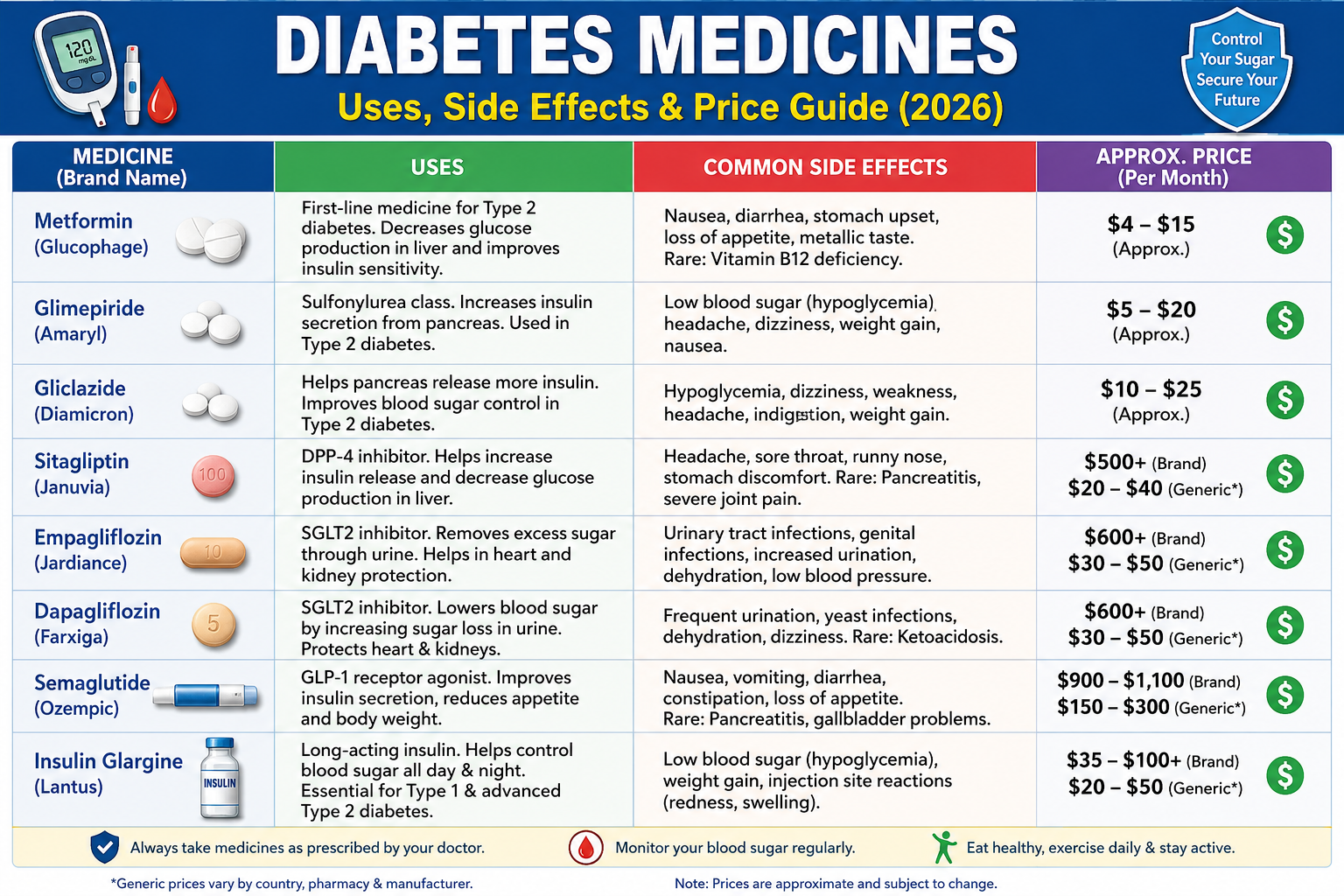
The following table summarizes commonly prescribed diabetes medicines. Prices are approximate and vary by country, manufacturer, pharmacy, insurance coverage, and dosage. Patients should always verify local prices before purchasing.
| Medicine | Common Use | Common Side Effects | Approximate Price (Generic) |
|---|---|---|---|
| Metformin | First-line treatment for Type 2 diabetes | Nausea, diarrhea, stomach upset | US: $4–15/month |
| Glimepiride | Increases insulin production | Low blood sugar, weight gain | US: $5–20/month |
| Gliclazide | Sulfonylurea for Type 2 diabetes | Hypoglycemia, dizziness | US: $10–25/month |
| Sitagliptin (Januvia) | DPP-4 inhibitor | Headache, sore throat | US: Brand $500+/month |
| Empagliflozin (Jardiance) | SGLT2 inhibitor | Urinary infections, dehydration | US: Brand $600+/month |
| Dapagliflozin (Farxiga) | SGLT2 inhibitor | Frequent urination, yeast infections | US: Brand $600+/month |
| Semaglutide (Ozempic) | Weekly GLP-1 injection | Nausea, vomiting | US: Brand $900–1,100/month |
| Insulin Glargine (Lantus) | Long-acting insulin | Low blood sugar, injection-site reactions | US: Brand $35–100+ depending on program/product |
Important: Never start, stop, or change a diabetes medicine without consulting a qualified healthcare professional.
Metformin
Metformin is widely regarded as the first-choice medication for most people with Type 2 diabetes. It works primarily by reducing glucose production in the liver while improving the body’s sensitivity to insulin. Unlike several older diabetes medications, metformin generally does not cause weight gain and carries a relatively low risk of low blood sugar when used alone.
Many patients experience mild digestive side effects during the first few weeks of treatment. These commonly include nausea, bloating, diarrhea, abdominal discomfort, or loss of appetite. Taking the medication with meals and gradually increasing the dose often reduces these symptoms. In rare cases, metformin may contribute to vitamin B12 deficiency with long-term use, making periodic monitoring advisable. A very rare but serious complication called lactic acidosis can occur in patients with severe kidney disease or certain other medical conditions.
Sulfonylureas (Glimepiride and Gliclazide)
Sulfonylureas such as Glimepiride and Gliclazide stimulate the pancreas to release more insulin. They are often prescribed when metformin alone does not adequately control blood sugar. These medications are effective at lowering glucose levels but require careful dosing because they can sometimes cause hypoglycemia (low blood sugar), particularly if meals are skipped.
Common side effects include dizziness, hunger, sweating, shakiness, headache, and weight gain. Patients should recognize the symptoms of hypoglycemia and know how to treat it promptly by consuming fast-acting carbohydrates, such as glucose tablets or fruit juice, when appropriate. Regular blood sugar monitoring helps ensure safe and effective treatment.
Causes and Risk Factors of Diabetes
Diabetes develops because the body loses its ability to regulate blood sugar efficiently, but the exact reason depends on the type of diabetes. In Type 1 diabetes, the immune system mistakenly attacks the insulin-producing beta cells of the pancreas. Scientists believe that a combination of inherited genes and environmental triggers, such as viral infections, contributes to this autoimmune response. Since the pancreas produces little or no insulin after these cells are destroyed, insulin therapy becomes essential for survival. Unlike Type 2 diabetes, Type 1 is not caused by eating too much sugar or being overweight.
For Type 2 diabetes, the situation is different. The pancreas continues producing insulin, but the body’s cells become resistant to its effects. Initially, the pancreas compensates by making more insulin, but over time it cannot keep up with the body’s increasing demand. Blood sugar gradually rises, often without noticeable symptoms for several years. Lifestyle choices play a significant role in the development of Type 2 diabetes, although genetics also influence a person’s risk.
Several factors increase the likelihood of developing diabetes, including obesity, especially excess abdominal fat, lack of regular exercise, unhealthy eating habits, smoking, high blood pressure, high cholesterol, increasing age, family history, and certain ethnic backgrounds. Women who experienced gestational diabetes during pregnancy also have a greater chance of developing Type 2 diabetes later in life. Medical conditions such as Polycystic Ovary Syndrome (PCOS) and cardiovascular disease can further increase the risk.
Understanding these causes and risk factors empowers individuals to make healthier choices. Losing even a modest amount of weight, exercising regularly, eating a balanced diet rich in vegetables and whole grains, and avoiding tobacco can significantly reduce the risk of developing Type 2 diabetes.
Diagnosis of Diabetes
Early diagnosis is one of the most important steps in preventing diabetes-related complications. Healthcare providers use several laboratory tests to determine whether a person has diabetes or prediabetes. These tests measure blood glucose levels under different conditions and help physicians evaluate how effectively the body regulates sugar.
The most commonly used test is the Fasting Blood Sugar (FBS) test. Patients fast for at least eight hours before a blood sample is taken. A fasting blood glucose level below 100 mg/dL is generally considered normal. Levels between 100 and 125 mg/dL usually indicate prediabetes, while a reading of 126 mg/dL or higher on two separate occasions is typically diagnostic for diabetes.
Another important test is the HbA1c (Hemoglobin A1c) test, which reflects the average blood sugar level over the previous two to three months. Unlike daily glucose testing, HbA1c provides a broader picture of long-term glucose control. An HbA1c level below 5.7% is considered normal, 5.7% to 6.4% indicates prediabetes, and 6.5% or higher generally confirms diabetes.
Doctors may also perform the Random Blood Sugar Test, particularly if a patient has classic diabetes symptoms. A random blood glucose reading of 200 mg/dL or higher, accompanied by symptoms such as excessive thirst, frequent urination, and unexplained weight loss, strongly suggests diabetes.
The Oral Glucose Tolerance Test (OGTT) is especially useful during pregnancy to diagnose gestational diabetes. After fasting, the patient drinks a glucose solution, and blood sugar levels are measured over the next two hours to determine how efficiently the body processes glucose.
Early diagnosis enables patients to begin treatment before complications occur. Regular screening is particularly important for individuals over 35 years of age or those with obesity, hypertension, a family history of diabetes, or other significant risk factors.
Diabetes Medicines
Medicines play a vital role in controlling blood sugar when healthy eating and regular exercise alone are not enough. The choice of medication depends on the type of diabetes, the patient’s age, kidney function, other medical conditions, and blood sugar levels. Some medicines help the body produce more insulin, while others improve insulin sensitivity or reduce glucose production by the liver.
The following table summarizes commonly prescribed diabetes medicines. Prices are approximate and vary by country, manufacturer, pharmacy, insurance coverage, and dosage. Patients should always verify local prices before purchasing.
| Medicine | Common Use | Common Side Effects | Approximate Price (Generic) |
|---|---|---|---|
| Metformin | First-line treatment for Type 2 diabetes | Nausea, diarrhea, stomach upset | US: $4–15/month |
| Glimepiride | Increases insulin production | Low blood sugar, weight gain | US: $5–20/month |
| Gliclazide | Sulfonylurea for Type 2 diabetes | Hypoglycemia, dizziness | US: $10–25/month |
| Sitagliptin (Januvia) | DPP-4 inhibitor | Headache, sore throat | US: Brand $500+/month |
| Empagliflozin (Jardiance) | SGLT2 inhibitor | Urinary infections, dehydration | US: Brand $600+/month |
| Dapagliflozin (Farxiga) | SGLT2 inhibitor | Frequent urination, yeast infections | US: Brand $600+/month |
| Semaglutide (Ozempic) | Weekly GLP-1 injection | Nausea, vomiting | US: Brand $900–1,100/month |
| Insulin Glargine (Lantus) | Long-acting insulin | Low blood sugar, injection-site reactions | US: Brand $35–100+ depending on program/product |
Important: Never start, stop, or change a diabetes medicine without consulting a qualified healthcare professional.
Metformin
Metformin is widely regarded as the first-choice medication for most people with Type 2 diabetes. It works primarily by reducing glucose production in the liver while improving the body’s sensitivity to insulin. Unlike several older diabetes medications, metformin generally does not cause weight gain and carries a relatively low risk of low blood sugar when used alone.
Many patients experience mild digestive side effects during the first few weeks of treatment. These commonly include nausea, bloating, diarrhea, abdominal discomfort, or loss of appetite. Taking the medication with meals and gradually increasing the dose often reduces these symptoms. In rare cases, metformin may contribute to vitamin B12 deficiency with long-term use, making periodic monitoring advisable. A very rare but serious complication called lactic acidosis can occur in patients with severe kidney disease or certain other medical conditions.
Sulfonylureas (Glimepiride and Gliclazide)
Sulfonylureas such as Glimepiride and Gliclazide stimulate the pancreas to release more insulin. They are often prescribed when metformin alone does not adequately control blood sugar. These medications are effective at lowering glucose levels but require careful dosing because they can sometimes cause hypoglycemia (low blood sugar), particularly if meals are skipped.
Common side effects include dizziness, hunger, sweating, shakiness, headache, and weight gain. Patients should recognize the symptoms of hypoglycemia and know how to treat it promptly by consuming fast-acting carbohydrates, such as glucose tablets or fruit juice, when appropriate. Regular blood sugar monitoring helps ensure safe and effective treatment.
(Part 3 completed.)
Reply with “Continue writing please” to receive Part 4, covering:
- DPP-4 Inhibitors
- SGLT2 Inhibitors
- GLP-1 Medicines (Ozempic)
- Insulin Types
- Medicine Side Effects
- Lifestyle Management
- Prevention
- Conclusion
- 5 FAQs
Continue writing please
DPP-4 Inhibitors
Dipeptidyl Peptidase-4 (DPP-4) inhibitors are a class of oral diabetes medications that help improve blood sugar control by enhancing the body’s natural incretin hormones. These hormones stimulate insulin release after meals and reduce the amount of glucose produced by the liver. DPP-4 inhibitors are generally prescribed for people with Type 2 diabetes when diet, exercise, and first-line medicines such as metformin are not enough to achieve target blood sugar levels. One of the most commonly prescribed medicines in this class is Sitagliptin (Januvia). Other examples include Saxagliptin (Onglyza), Linagliptin (Tradjenta), and Alogliptin (Nesina).
A major advantage of DPP-4 inhibitors is that they usually do not cause significant weight gain and have a relatively low risk of hypoglycemia when taken alone. These medicines are convenient because they are taken once daily and generally have fewer gastrointestinal side effects than some other diabetes medications. Common side effects may include headache, sore throat, runny nose, mild stomach discomfort, and upper respiratory tract infections. Although uncommon, rare but serious side effects such as pancreatitis, severe joint pain, or allergic reactions have been reported. Patients should seek immediate medical attention if they experience severe abdominal pain, persistent vomiting, swelling of the face, difficulty breathing, or a widespread skin rash. DPP-4 inhibitors can be a useful option for patients who need modest improvements in blood sugar control while minimizing the risk of low blood sugar.
SGLT2 Inhibitors
Sodium-Glucose Cotransporter-2 (SGLT2) inhibitors are among the most significant advancements in Type 2 diabetes treatment over the past decade. Instead of increasing insulin production, these medicines work by preventing the kidneys from reabsorbing glucose. As a result, excess glucose is eliminated from the body through urine, leading to lower blood sugar levels. Popular medicines in this class include Empagliflozin (Jardiance), Dapagliflozin (Farxiga), and Canagliflozin (Invokana).
In addition to lowering blood sugar, SGLT2 inhibitors have shown benefits in reducing the risk of heart failure and slowing the progression of chronic kidney disease in many patients. They may also contribute to modest weight loss and lower blood pressure, making them especially valuable for individuals with cardiovascular disease. Common side effects include frequent urination, dehydration, increased thirst, urinary tract infections, and genital yeast infections. Rare but serious risks include diabetic ketoacidosis, severe urinary infections, and kidney injury. Patients should stay well hydrated, maintain good personal hygiene, and discuss any unusual symptoms with their healthcare provider. Regular monitoring of kidney function is recommended during treatment. Despite these precautions, SGLT2 inhibitors have become an important option in modern diabetes management because of their multiple health benefits beyond glucose control.
GLP-1 Receptor Agonists
GLP-1 receptor agonists represent another major breakthrough in diabetes care. These injectable medications mimic a naturally occurring hormone that helps regulate blood sugar after meals. They stimulate insulin release when blood sugar levels rise, suppress excess glucagon production, slow stomach emptying, and increase feelings of fullness. These combined effects help improve blood sugar control while often promoting significant weight loss. Popular medicines include Semaglutide (Ozempic), Dulaglutide (Trulicity), Liraglutide (Victoza), and Tirzepatide (Mounjaro).
Many patients experience excellent improvements in blood sugar control while also losing body weight, making GLP-1 receptor agonists particularly useful for overweight individuals with Type 2 diabetes. However, gastrointestinal side effects are common during the first few weeks of treatment. Nausea, vomiting, diarrhea, constipation, and reduced appetite usually improve as the body adjusts to the medication. Rare but serious side effects include pancreatitis, gallbladder disease, and allergic reactions. These medicines should only be used under the supervision of a qualified healthcare provider, who will determine whether they are appropriate based on the patient’s overall medical history.
Insulin Therapy
Insulin remains the cornerstone of treatment for Type 1 diabetes and is also required for many people with advanced Type 2 diabetes. Since individuals with Type 1 diabetes produce little or no insulin, replacement therapy is essential for survival. Patients with Type 2 diabetes may eventually require insulin if lifestyle changes and oral medications no longer provide adequate blood sugar control.
There are several types of insulin available, each designed to mimic the body’s natural insulin production. Rapid-acting insulin begins working within minutes and is usually taken before meals. Short-acting insulin works slightly more slowly and also helps control blood sugar around mealtime. Intermediate-acting insulin provides longer coverage throughout the day, while long-acting insulin offers stable blood sugar control for up to 24 hours or longer. Some patients use premixed insulin, which combines rapid- and intermediate-acting insulin in a single injection.
The most common side effect of insulin therapy is hypoglycemia (low blood sugar), especially if too much insulin is taken, meals are skipped, or strenuous exercise is performed without adjusting food intake or medication. Other possible side effects include weight gain and mild reactions at injection sites. Patients should receive proper education on insulin storage, injection techniques, dose adjustment, and blood glucose monitoring to ensure safe and effective treatment.
Lifestyle Management for Diabetes
Medication alone cannot successfully control diabetes without healthy lifestyle habits. A balanced diet rich in vegetables, fruits, whole grains, lean proteins, legumes, and healthy fats provides essential nutrients while helping maintain stable blood sugar levels. Limiting sugary drinks, refined carbohydrates, processed foods, and excessive saturated fats can significantly improve blood glucose control.
Regular physical activity is equally important. Health experts generally recommend at least 150 minutes of moderate-intensity exercise each week, such as brisk walking, cycling, swimming, or dancing. Exercise improves insulin sensitivity, supports weight management, lowers blood pressure, and reduces the risk of cardiovascular disease. Even simple daily activities like taking the stairs, walking after meals, or gardening contribute to better health.
Routine blood sugar monitoring allows patients to understand how food, medication, stress, illness, and physical activity affect their glucose levels. Regular medical appointments, eye examinations, kidney function tests, cholesterol checks, blood pressure monitoring, and foot examinations are essential for preventing complications. Good sleep, stress management, smoking cessation, and limiting alcohol consumption also play important roles in comprehensive diabetes care.
Preventing Type 2 Diabetes
Although Type 1 diabetes cannot currently be prevented, many cases of Type 2 diabetes can be delayed or prevented through healthy lifestyle choices. Maintaining a healthy body weight is one of the most effective preventive measures. Losing even 5% to 10% of body weight can significantly improve insulin sensitivity in people who are overweight.
Healthy eating should focus on whole, minimally processed foods while reducing added sugars and highly refined carbohydrates. Regular exercise helps muscles use glucose more efficiently and supports overall cardiovascular health. Routine health screenings allow healthcare providers to identify prediabetes before it progresses to Type 2 diabetes. People with prediabetes often benefit from intensive lifestyle interventions that may prevent or substantially delay the onset of diabetes.
Individuals with a family history of diabetes should be particularly proactive about maintaining healthy habits throughout life. Combining balanced nutrition, regular exercise, adequate sleep, stress reduction, and routine medical care provides the strongest defense against developing Type 2 diabetes and its associated complications.
Conclusion
Diabetes is a lifelong condition, but it does not have to define a person’s life. With early diagnosis, proper medical treatment, healthy eating, regular exercise, and consistent blood sugar monitoring, most people with diabetes can live long, productive, and healthy lives. The key is understanding the condition, recognizing symptoms early, following the prescribed treatment plan, and maintaining regular communication with healthcare professionals. Modern diabetes care has advanced significantly over the past decade, offering a wide range of medications and technologies that make blood sugar management more effective than ever before.
The choice of diabetes medicine depends on several factors, including the type of diabetes, age, kidney and liver function, cardiovascular health, body weight, and individual treatment goals. While Metformin remains the preferred first-line medicine for many people with Type 2 diabetes, newer medications such as SGLT2 inhibitors and GLP-1 receptor agonists provide additional benefits, including weight reduction and improved heart and kidney protection for suitable patients. Insulin therapy remains essential for individuals with Type 1 diabetes and for many people with advanced Type 2 diabetes. Every medication has potential side effects, which is why treatment should always be supervised by a qualified healthcare provider who can monitor progress and make adjustments when needed.
A healthy lifestyle remains the foundation of diabetes management. Eating nutritious foods, maintaining a healthy weight, exercising regularly, managing stress, getting enough sleep, avoiding smoking, and limiting alcohol all contribute to better blood sugar control. Routine medical checkups, eye examinations, kidney function tests, foot care, cholesterol monitoring, and blood pressure management help reduce the risk of long-term complications. Patients who actively participate in their care often achieve better outcomes and enjoy a higher quality of life.
Diabetes research continues to evolve, with scientists developing new medications, advanced insulin delivery systems, continuous glucose monitoring devices, and innovative technologies that simplify disease management. While there is currently no universal cure for diabetes, modern treatments allow millions of people to successfully control their condition and reduce the likelihood of serious complications. Staying informed, following medical advice, and making sustainable lifestyle changes are the most effective strategies for living well with diabetes.
Frequently Asked Questions (FAQs)
1. Can diabetes be cured permanently?
At present, there is no permanent cure for Type 1 diabetes or Type 2 diabetes. However, many people with Type 2 diabetes can achieve remission through substantial weight loss, healthy eating, regular exercise, and medical supervision. Even during remission, ongoing monitoring is essential because blood sugar levels can rise again over time.
2. Which medicine is considered the best for Type 2 diabetes?
There is no single “best” medicine for every patient. Metformin is commonly recommended as the first-line treatment because of its effectiveness, safety profile, and affordability. Depending on individual needs, doctors may also prescribe medicines such as Empagliflozin (Jardiance), Dapagliflozin (Farxiga), Semaglutide (Ozempic), or insulin. The most appropriate medication depends on medical history, kidney function, heart health, weight, and blood sugar goals.
3. What foods should people with diabetes avoid?
People with diabetes should limit foods that cause rapid increases in blood sugar. These include sugary beverages, sweets, candies, pastries, white bread, white rice, processed snacks, and foods high in trans fats. Choosing vegetables, whole grains, legumes, lean proteins, healthy fats, and high-fiber foods supports better blood sugar control and overall health.
4. Can exercise lower blood sugar naturally?
Yes. Regular physical activity helps muscles use glucose more efficiently, improves insulin sensitivity, supports weight management, and lowers blood sugar levels. Health experts generally recommend at least 150 minutes of moderate-intensity exercise each week, along with strength training on two or more days if appropriate. Individuals taking insulin or medications that can cause hypoglycemia should discuss exercise plans with their healthcare provider.
5. Is insulin only used for Type 1 diabetes?
No. While everyone with Type 1 diabetes requires insulin, many people with Type 2 diabetes also need insulin when oral medications and lifestyle changes no longer provide adequate blood sugar control. Some patients use insulin temporarily during surgery, severe illness, pregnancy, or periods of uncontrolled blood sugar, while others require long-term insulin therapy.
Important Medical Disclaimer
This article is intended for educational and informational purposes only. It is not a substitute for professional medical advice, diagnosis, or treatment. Never start, stop, or change any diabetes medication without consulting a qualified healthcare professional. Medicine availability and prices vary by country, pharmacy, dosage, manufacturer, and insurance coverage. Always verify current pricing locally before purchasing.