

Hepatitis B Medicine: Uses, Side Effects, and Price in the USA, UK, and Canada
Hepatitis B is a viral infection that attacks the liver and can cause both acute and chronic disease. While many adults recover naturally, some people develop chronic hepatitis B that requires lifelong monitoring or antiviral treatment. The good news is that modern medicines can effectively suppress the virus, reduce liver damage, and lower the risk of cirrhosis and liver cancer, although they usually do not completely cure the infection. According to the CDC, not every patient with chronic hepatitis B needs medication, but those who do can benefit greatly from long-term antiviral therapy under the supervision of a healthcare provider.
This guide explains the uses, side effects, and prices of hepatitis B medicines in the USA, UK, and Canada, helping patients understand the available treatment options.
Understanding Hepatitis B
What Is Hepatitis B?
Hepatitis B is caused by the hepatitis B virus (HBV), which infects liver cells. It spreads through infected blood, sexual contact, and from mother to baby during childbirth. Many people have no symptoms during the early stages, while others experience fatigue, fever, nausea, abdominal pain, dark urine, and jaundice. Chronic infection may silently damage the liver for years before symptoms appear.
How Hepatitis B Spreads
The virus is transmitted through:
- Unprotected sexual contact
- Sharing needles
- Blood transfusions (rare in developed countries due to screening)
- Mother-to-child transmission during birth
- Accidental needle-stick injuries
It does not spread through hugging, sharing food, coughing, or shaking hands.
Common Medicines Used for Hepatitis B
Doctors commonly prescribe the following antiviral medicines:
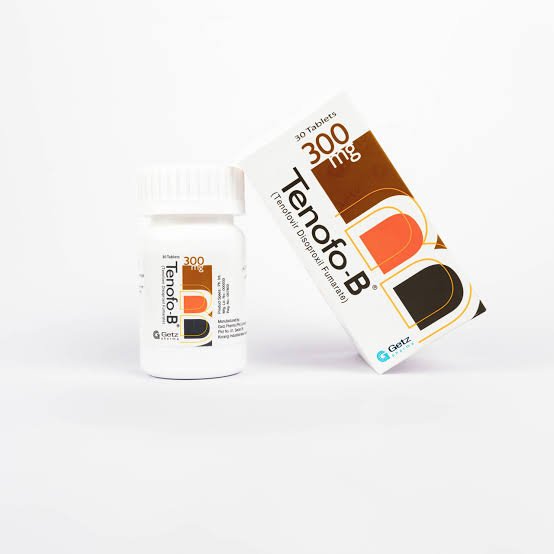
Tenofovir Disoproxil Fumarate (TDF)
One of the most commonly recommended first-line medicines. It effectively lowers the amount of virus in the blood and helps protect the liver.
Tenofovir Alafenamide (TAF)
A newer form of tenofovir that delivers similar antiviral effects while causing less stress on the kidneys and bones in many patients.
Entecavir
A powerful antiviral medicine often prescribed to adults with chronic hepatitis B who have never received antiviral therapy.
Peginterferon Alfa-2a
Unlike oral tablets, this medicine is given by injection and stimulates the immune system to fight the virus. Treatment usually lasts about one year.
Lamivudine
An older antiviral medicine that is less commonly used today because resistance develops more easily than with newer drugs.
Uses of Hepatitis B Medicines
Who Needs Treatment?
Not every person diagnosed with hepatitis B needs to start medication immediately. Doctors decide whether treatment is necessary after reviewing several factors, including HBV DNA (viral load), liver enzyme levels (ALT and AST), liver fibrosis or cirrhosis, age, family history of liver cancer, and overall health. Some people remain in an inactive carrier state for many years, requiring only regular blood tests and liver monitoring. Others have active viral replication and ongoing liver inflammation, making antiviral therapy the best option to prevent serious complications.

Patients with chronic hepatitis B, especially those with elevated liver enzymes or evidence of liver damage, are usually considered for treatment. Pregnant women with very high viral loads may also receive antiviral medication during the third trimester to reduce the risk of passing the virus to their baby. Individuals undergoing chemotherapy or taking medications that weaken the immune system may require hepatitis B treatment as a preventive measure because the virus can reactivate under these conditions. The decision is always personalized, balancing the benefits of treatment with any potential risks.
Treatment Goals
The primary goal of hepatitis B treatment is viral suppression, meaning the medication lowers the amount of virus in the bloodstream to very low or undetectable levels. When the virus is well controlled, the liver has a much better chance of staying healthy, and the risk of developing cirrhosis, liver failure, and hepatocellular carcinoma (liver cancer) decreases significantly. Although current antiviral medicines rarely eliminate the virus completely, they can provide long-term disease control for many patients.
Doctors also aim to normalize liver enzyme levels, reduce liver inflammation, and improve the patient’s overall quality of life. Many people taking antiviral medicines can continue working, exercising, traveling, and living normal lives with regular follow-up appointments. Since hepatitis B treatment may continue for many years or even lifelong, maintaining medication adherence is essential. Missing doses can allow the virus to multiply again and may increase the risk of drug resistance with certain medications.
Side Effects of Hepatitis B Medicines
Common Side Effects
Like all prescription medicines, hepatitis B antiviral drugs can cause side effects, although many patients tolerate them very well. The most frequently reported side effects include headache, nausea, mild stomach discomfort, diarrhea, dizziness, tiredness, and muscle aches. These symptoms often improve as the body adjusts to treatment during the first few weeks.
People taking Tenofovir Disoproxil Fumarate (TDF) may occasionally experience kidney-related effects or reduced bone mineral density, particularly with long-term use. Tenofovir Alafenamide (TAF) was developed to reduce these risks while maintaining similar antiviral effectiveness. Patients receiving Peginterferon Alfa-2a often experience flu-like symptoms after injections, including fever, chills, fatigue, and muscle pain. Doctors usually recommend taking the injection in the evening and using supportive care if needed to improve comfort.
Serious Side Effects
Serious side effects are uncommon but require immediate medical attention. These may include severe allergic reactions, persistent kidney problems, worsening liver function after stopping medication, or signs of lactic acidosis, a rare but serious condition. Patients should contact their healthcare provider promptly if they notice yellowing of the skin, severe abdominal pain, unusual swelling, difficulty breathing, confusion, or significant changes in urine output.
Routine blood tests are an important part of hepatitis B treatment because they allow doctors to monitor kidney function, liver enzymes, and viral activity. Regular follow-up helps identify potential complications early, allowing treatment to be adjusted before serious problems develop. Patients should never stop taking hepatitis B medicine without medical advice, as sudden discontinuation can cause the virus to become active again and may lead to severe liver inflammation.
Hepatitis B Medicine Prices in the USA, UK, and Canada
The cost of hepatitis B treatment varies considerably depending on the country, the specific medication prescribed, whether a generic version is available, and the patient’s insurance or public healthcare coverage. Brand-name medicines are generally more expensive than generic alternatives, but many healthcare systems and insurance providers help reduce out-of-pocket costs. The prices below are approximate retail ranges for 2026 and may vary by pharmacy, location, dosage, and available discounts.
USA Prices
In the United States, hepatitis B medicines can be expensive without health insurance. Generic medicines are significantly more affordable than brand-name products, while injectable therapies remain among the highest-cost options.
| Medicine | Approximate Monthly Price (USD) |
|---|---|
| Tenofovir Disoproxil Fumarate (Generic) | $30–$120 |
| Viread (Brand) | $1,000–$1,600 |
| Tenofovir Alafenamide (Vemlidy) | $1,300–$1,900 |
| Entecavir (Generic) | $40–$180 |
| Baraclude (Brand) | $900–$1,500 |
| Peginterferon Alfa-2a | $3,000–$5,000 per month |
Many patients reduce these costs through private insurance, Medicare, Medicaid, manufacturer assistance programs, or pharmacy discount cards. Always compare pharmacy prices and ask your healthcare provider whether a generic medicine is appropriate for your treatment.
UK Prices
In the United Kingdom, most patients diagnosed with chronic hepatitis B receive treatment through the National Health Service (NHS) if they meet clinical eligibility criteria. This means patients generally pay little or nothing directly for antiviral medicines, depending on their circumstances and prescription exemptions.
Private prescriptions are available but usually cost substantially more than NHS-funded treatment. Generic medicines remain much less expensive than branded products, making them the preferred option in many cases. Patients receiving specialist liver care through NHS clinics typically have regular monitoring and follow-up included as part of their treatment plan.
Canada Prices
In Canada, hepatitis B medicine prices differ by province because each province operates its own public drug programs. Many patients also have private insurance through employers, helping lower prescription costs.
Approximate monthly retail prices include:
| Medicine | Approximate Monthly Price (CAD) |
|---|---|
| Generic Tenofovir | CAD $35–$150 |
| Generic Entecavir | CAD $45–$170 |
| Vemlidy | CAD $900–$1,400 |
| Peginterferon Alfa-2a | CAD $3,500–$5,500 |
Patients without insurance should speak with their pharmacist or healthcare provider about provincial assistance programs, manufacturer support, and generic alternatives that may reduce treatment costs.
Comparison of Common Hepatitis B Medicines
| Medicine | Main Use | Common Side Effects | Typical Dosing |
|---|---|---|---|
| Tenofovir Disoproxil Fumarate (TDF) | Chronic Hepatitis B | Nausea, headache, kidney and bone effects (long-term) | Once daily |
| Tenofovir Alafenamide (TAF) | Chronic Hepatitis B | Headache, fatigue, nausea | Once daily |
| Entecavir | Chronic Hepatitis B | Dizziness, fatigue, headache | Once daily |
| Peginterferon Alfa-2a | Chronic Hepatitis B | Fever, chills, muscle pain, depression | Weekly injection |
| Lamivudine | Chronic Hepatitis B | Headache, nausea, fatigue | Once daily |
Tips for Patients Taking Hepatitis B Medicine
Successful hepatitis B treatment depends not only on taking the correct medication but also on following healthy lifestyle habits and attending regular medical appointments. Taking your medicine at the same time every day helps maintain a consistent level of the drug in your bloodstream, improving its effectiveness and reducing the chance of viral resistance. If you accidentally miss a dose, follow your healthcare provider’s instructions rather than doubling the next dose.
Limiting alcohol consumption is highly recommended because alcohol can further damage the liver. Maintaining a healthy weight, eating a balanced diet rich in fruits, vegetables, whole grains, and lean protein, and staying physically active also support overall liver health. Patients should inform every healthcare provider they see about their hepatitis B diagnosis, especially before starting new medications or supplements, as some products can affect liver function.
Regular blood tests remain essential even when you feel well. Chronic hepatitis B often causes no symptoms until significant liver damage has occurred, making ongoing monitoring one of the most important parts of long-term care. Working closely with a liver specialist ensures that treatment remains effective and that any changes in your condition are detected early.
Conclusion
Living with hepatitis B can feel overwhelming at first, but today’s antiviral medicines have dramatically improved long-term outcomes for millions of people worldwide. While there is currently no complete cure for most cases of chronic hepatitis B, medications such as Tenofovir Disoproxil Fumarate (TDF), Tenofovir Alafenamide (TAF), Entecavir, Peginterferon Alfa-2a, and Lamivudine can effectively suppress the virus, reduce liver inflammation, and significantly lower the risk of serious complications like cirrhosis, liver failure, and liver cancer. Choosing the right medicine depends on several factors, including your age, kidney function, liver health, viral load, pregnancy status, and any other medical conditions you may have.
The cost of treatment varies widely between the USA, UK, and Canada, with generic medicines offering a much more affordable option than brand-name drugs. In the UK, many eligible patients receive treatment through the NHS, while insurance plans and public drug programs help reduce costs for many people in the USA and Canada. Regardless of where you live, it is essential to take your medication exactly as prescribed, attend regular follow-up appointments, and have routine blood tests to monitor liver function and viral activity. Early diagnosis, consistent treatment, and healthy lifestyle choices remain the most effective way to protect your liver and maintain a high quality of life.
Frequently Asked Questions (FAQs)
1. What is the best medicine for chronic hepatitis B?
There is no single “best” medicine for everyone. Doctors commonly recommend Tenofovir (TDF or TAF) and Entecavir because they are highly effective at suppressing the hepatitis B virus and have a low risk of developing drug resistance. The most suitable medication depends on your overall health, kidney function, liver condition, and medical history.
2. Can hepatitis B be cured completely?
Most current treatments do not completely eliminate the hepatitis B virus from the body. Instead, they control viral replication, reduce liver damage, and lower the risk of complications. Researchers continue to study new therapies that may achieve a functional or complete cure in the future.
3. How long do I need to take hepatitis B medicine?
Treatment duration varies from person to person. Some patients take antiviral medicine for several years, while others may require lifelong treatment. Your doctor will monitor your blood tests and liver health to determine whether treatment should continue or can be safely stopped.
4. Are hepatitis B medicines safe during pregnancy?
Certain antiviral medicines, particularly Tenofovir Disoproxil Fumarate (TDF), may be prescribed during pregnancy for women with high hepatitis B viral loads to reduce the risk of transmitting the virus to their baby. Treatment decisions should always be made by a healthcare provider experienced in managing hepatitis B during pregnancy.
5. Can I drink alcohol while taking hepatitis B medicine?
It is generally recommended to avoid or significantly limit alcohol if you have hepatitis B. Alcohol can increase liver damage and reduce overall liver health, even if your antiviral medication is working effectively. Speak with your healthcare provider for personalized advice based on your condition.