Mental Health Complete Guide to Mental Disorders, Medicines, Uses, Side Effects & Prices (2026)
Mental health is one of the most important aspects of overall well-being. It influences how we think, feel, behave, handle stress, build relationships, and make everyday decisions. Millions of people worldwide experience mental health conditions such as anxiety, depression, bipolar disorder, obsessive-compulsive disorder (OCD), schizophrenia, and post-traumatic stress disorder (PTSD). The good news is that most mental health conditions can be treated effectively with the right combination of medication, psychotherapy, healthy lifestyle changes, and professional support.
Mental health medicines are not “magic pills,” but they can significantly reduce symptoms, improve quality of life, and help people return to their normal daily routines. Understanding how these medicines work, their benefits, possible side effects, and approximate costs can help patients and caregivers make informed decisions. This comprehensive guide explains everything you need to know about mental health medications in simple English.
What Is Mental Health?
Mental health refers to emotional, psychological, and social well-being. It affects how people think, feel, and act throughout every stage of life. Good mental health does not simply mean the absence of mental illness. It also means being able to cope with daily stress, work productively, maintain healthy relationships, and contribute positively to society.
Mental health can be affected by genetics, life experiences, trauma, physical illness, financial stress, family history, and substance abuse. Sometimes, people ignore early symptoms because they believe they will disappear on their own. However, untreated mental illnesses may worsen over time and interfere with work, education, relationships, and physical health.
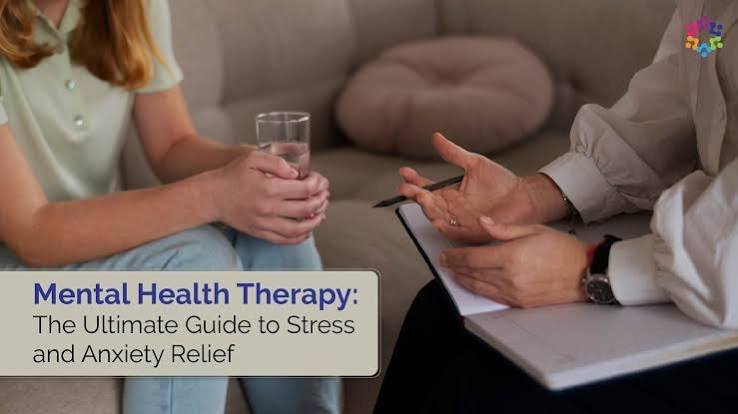
Seeking help from a psychiatrist or psychologist is a sign of strength, not weakness. Early diagnosis often leads to better treatment outcomes. Along with counseling and therapy, medicines may be prescribed to reduce symptoms and help restore chemical balance in the brain.
Common Mental Health Disorders
Depression
Depression is a serious mood disorder that causes persistent sadness, loss of interest, fatigue, sleep disturbances, poor concentration, and feelings of hopelessness. It affects millions of people worldwide and can occur at any age.
Anxiety Disorders
Anxiety disorders involve excessive fear, worry, panic attacks, and nervousness. While occasional anxiety is normal, chronic anxiety can interfere with daily activities and relationships.
Bipolar Disorder

Bipolar disorder causes extreme mood swings, including emotional highs (mania) and lows (depression). Proper medication helps stabilize these mood changes.
Schizophrenia
Schizophrenia is a severe mental disorder that affects thinking, emotions, and behavior. Patients may experience hallucinations, delusions, and difficulty distinguishing reality from imagination.
Obsessive-Compulsive Disorder (OCD)
People with OCD experience unwanted thoughts (obsessions) and repetitive behaviors (compulsions), such as excessive hand washing or checking locks repeatedly.
Post-Traumatic Stress Disorder (PTSD)
PTSD develops after experiencing or witnessing a traumatic event. Symptoms include nightmares, flashbacks, severe anxiety, and emotional distress.
How Mental Health Medicines Work
Mental health medications work by balancing chemicals in the brain known as neurotransmitters. These chemicals include serotonin, dopamine, norepinephrine, and gamma-aminobutyric acid (GABA). When these chemicals become imbalanced, mental health symptoms may appear.
Different medications target different neurotransmitters depending on the condition being treated. Some medicines increase serotonin to improve mood, while others reduce excessive dopamine activity to control hallucinations.
These medicines usually take several weeks to show full benefits. Patients should continue taking them exactly as prescribed, even if improvements are not immediate.
Types of Mental Health Medicines
Antidepressants
Common examples include:
| Medicine | Uses | Common Side Effects | Approximate Price* |
|---|---|---|---|
| Sertraline | Depression, Anxiety, OCD | Nausea, headache, insomnia | $5–20/month (generic) |
| Fluoxetine | Depression, Panic Disorder | Loss of appetite, nausea | $4–15/month |
| Escitalopram | Depression, Anxiety | Dizziness, dry mouth | $8–30/month |
Anti-Anxiety Medicines
| Medicine | Uses | Common Side Effects | Approximate Price* |
|---|---|---|---|
| Alprazolam | Panic attacks | Drowsiness, dependence | $10–30 |
| Lorazepam | Anxiety | Sleepiness, dizziness | $8–25 |
| Buspirone | General anxiety | Headache, nausea | $10–35 |
Mood Stabilizers
| Medicine | Uses | Common Side Effects | Approximate Price* |
|---|---|---|---|
| Lithium | Bipolar Disorder | Increased thirst, tremor | $10–40 |
| Valproate | Bipolar, Seizures | Weight gain, nausea | $15–60 |
| Lamotrigine | Bipolar Disorder | Rash, dizziness | $10–50 |
Antipsychotics
| Medicine | Uses | Common Side Effects | Approximate Price* |
|---|---|---|---|
| Risperidone | Schizophrenia | Weight gain, fatigue | $10–40 |
| Olanzapine | Bipolar, Schizophrenia | Increased appetite | $10–50 |
| Quetiapine | Bipolar, Depression | Drowsiness | $15–70 |
Note: Prices are approximate generic medication costs and vary by country, pharmacy, dosage, and brand.
Common Side Effects of Mental Health Medicines
Like all medicines, psychiatric medications can cause side effects. Most are mild and improve over time, while some require medical attention.
Common side effects include:
- Nausea
- Headache
- Dizziness
- Dry mouth
- Sleepiness
- Weight gain
- Increased appetite
- Sexual dysfunction
- Constipation
- Blurred vision
Serious side effects are uncommon but may include severe allergic reactions, suicidal thoughts in some younger patients starting antidepressants, abnormal heart rhythm, or serotonin syndrome. Patients should seek immediate medical attention if severe symptoms occur.
Never stop taking psychiatric medication suddenly without consulting your doctor. Abrupt discontinuation may cause withdrawal symptoms such as dizziness, anxiety, nausea, irritability, and insomnia.
Benefits of Mental Health Medication
When used correctly under medical supervision, psychiatric medicines offer numerous benefits:
- Reduce symptoms of depression and anxiety.
- Improve concentration and emotional stability.
- Prevent relapse.
- Reduce panic attacks.
- Improve sleep quality.
- Help patients return to work or school.
- Improve relationships and overall quality of life.
Medication often works best when combined with psychotherapy, regular exercise, adequate sleep, healthy eating, and stress management techniques.
Lifestyle Tips Alongside Medication
Medication is only one part of successful mental health treatment. Healthy habits can improve recovery and overall well-being.
Helpful lifestyle strategies include:
- Exercise for at least 30 minutes most days.
- Maintain a regular sleep schedule.
- Eat a balanced diet rich in fruits, vegetables, and whole grains.
- Limit alcohol and avoid recreational drugs.
- Practice mindfulness or meditation.
- Stay socially connected with trusted friends and family.
- Attend therapy sessions regularly.
- Follow your doctor’s instructions carefully.
Even small positive lifestyle changes can significantly improve treatment outcomes.
Safety Precautions
Before starting any mental health medicine, tell your doctor about:
- Pregnancy or breastfeeding
- Liver or kidney disease
- Heart problems
- Other medications or supplements
- Allergies
- History of substance abuse
Regular follow-up appointments help ensure medications remain safe and effective. Your doctor may adjust the dose depending on your response and any side effects experienced.
Conclusion
Mental health conditions are common, treatable, and nothing to be ashamed of. Modern medicines have helped millions of people manage depression, anxiety, bipolar disorder, schizophrenia, OCD, and other psychiatric conditions. Although medications may cause side effects, most are manageable under professional supervision. Combining medication with counseling, healthy habits, regular exercise, proper sleep, and family support often provides the best long-term results.
If you or someone you know experiences persistent sadness, anxiety, mood swings, hallucinations, or thoughts of self-harm, seek help from a qualified mental health professional as soon as possible. Early treatment can make a significant difference in recovery and quality of life.
Frequently Asked Questions (FAQs)
1. Can mental health medicines cure mental illness?
Most medications help control symptoms rather than permanently cure mental illnesses. Many people achieve long-term stability with proper treatment.
2. How long do antidepressants take to work?
Most antidepressants begin showing noticeable improvement within 2 to 6 weeks, although some people may respond sooner or later.
3. Are mental health medicines addictive?
Most antidepressants and antipsychotics are not addictive. However, some anti-anxiety medicines such as benzodiazepines can lead to dependence if used for long periods.
4. Can I stop taking my medicine once I feel better?
No. Always consult your healthcare provider before reducing or stopping any psychiatric medication. Stopping suddenly can lead to withdrawal symptoms or relapse.
5. Are generic mental health medicines as effective as branded versions?
Yes. Approved generic medicines contain the same active ingredients and are generally considered equally effective while often being more affordable.