Yeast Infection Treatment: Medicine Names, Uses, Side Effects, and Price
A yeast infection is one of the most common fungal infections affecting women, men, and even babies. Most infections are caused by an overgrowth of Candida, especially Candida albicans. While the condition can be uncomfortable, modern antifungal medicines usually provide fast and effective relief when used correctly. Recent treatment recommendations continue to favor antifungal medications such as fluconazole, clotrimazole, miconazole, and nystatin, with the choice depending on the location and severity of the infection.
People often search for the best medicine name, its uses, side effects, and price before visiting a pharmacy. This guide explains each commonly prescribed medication, how it works, possible adverse effects, and approximate prices in Pakistan and internationally.
Understanding Yeast Infections
A yeast infection develops when the natural balance of microorganisms in the body changes, allowing Candida fungi to multiply excessively. This commonly happens after antibiotic use, during pregnancy, in people with diabetes, or when the immune system is weakened.
Symptoms vary depending on the affected body part. Vaginal yeast infections often cause intense itching, thick white discharge, redness, and burning during urination. Oral thrush appears as white patches inside the mouth, while skin infections produce red, itchy rashes in warm, moist areas such as the groin or under the breasts. Men can also develop genital yeast infections with redness, irritation, and itching.
Although yeast infections are common, not every genital itching or discharge is caused by yeast. Bacterial vaginosis, sexually transmitted infections, and certain skin disorders may cause similar symptoms. If symptoms are severe, recurrent, or do not improve after treatment, a medical evaluation is recommended.
How Yeast Infections Are Diagnosed
Doctors usually diagnose uncomplicated yeast infections based on symptoms and a physical examination. If necessary, they may collect a sample of vaginal discharge, oral swab, or skin scraping for laboratory testing.
Medical attention is particularly important if:
- It is your first suspected yeast infection.
- Symptoms keep returning.
- You are pregnant.
- You have diabetes or a weakened immune system.
- Over-the-counter treatment fails.
Correct diagnosis prevents unnecessary medication and ensures that more serious conditions are not overlooked.
Best Medicines for Yeast Infection
Fluconazole
Fluconazole is among the most commonly prescribed oral antifungal medicines. It works by stopping fungal growth and is effective against vaginal yeast infections, oral thrush, and several other Candida infections.
Uses
- Vaginal yeast infection
- Oral thrush
- Esophageal candidiasis
- Systemic Candida infections
- Prevention of fungal infections in high-risk patients
Many uncomplicated vaginal yeast infections are successfully treated with a single 150 mg oral dose, although some patients require longer treatment depending on severity and recurrence. Symptom improvement often begins within 24 hours, but complete recovery may take several days.
Common Side Effects
- Headache
- Nausea
- Stomach pain
- Diarrhea
- Skin rash
Rare but serious side effects include liver injury and severe allergic reactions.
Approximate Price
| Medicine | Strength | Approximate Price |
|---|---|---|
| Fluconazole (Generic) Pakistan | 150 mg capsule | Around Rs. 160 |
| Generic (US) | 150 mg | Starting around US$5 with discounts |
Prices vary depending on pharmacy, manufacturer, and location.
Clotrimazole
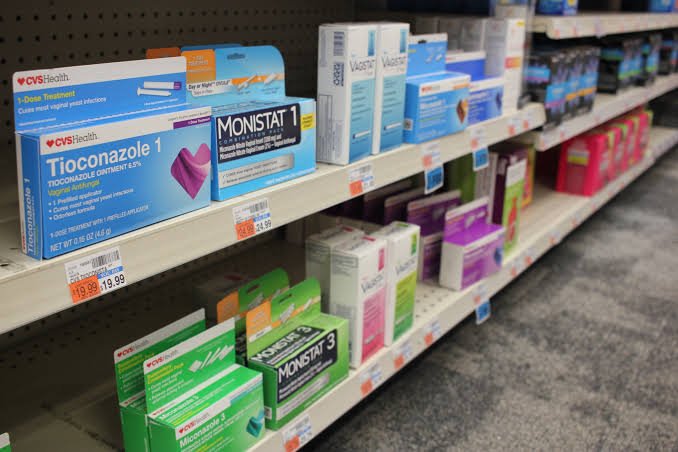
Clotrimazole is available as creams, vaginal tablets, pessaries, lotions, and topical solutions. It is widely used because it is effective and often available without a prescription.
Uses
- Vaginal yeast infection
- Ringworm
- Athlete’s foot
- Jock itch
- Skin candidiasis
Treatment usually lasts between 3 and 7 days for vaginal infections and longer for skin infections depending on the doctor’s advice.
Side Effects
Most users tolerate clotrimazole well. Possible side effects include:
- Mild burning
- Redness
- Itching
- Local skin irritation
Approximate Price
Examples in Pakistan include:
- Agisten 1% Cream (15 g): about Rs. 46
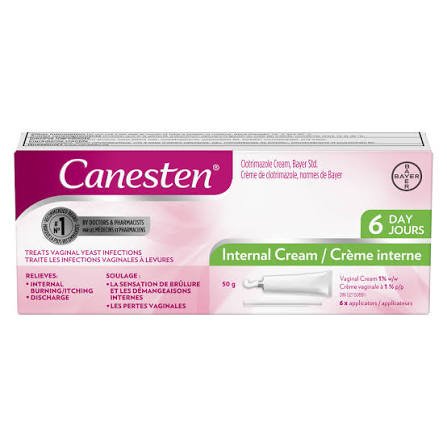
- Canesten Clotrimazole Cream: around Rs. 176–186 depending on retailer.
Miconazole
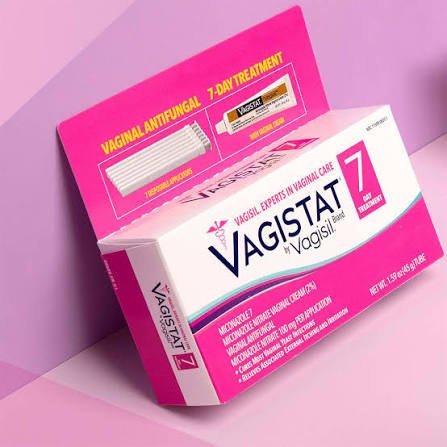
Miconazole is another highly effective antifungal medicine available as vaginal creams, suppositories, oral gels, and topical creams.
Uses
It is commonly prescribed for:
- Vaginal candidiasis
- Oral thrush
- Skin fungal infections
Several treatment durations are available, including 1-day, 3-day, and 7-day vaginal therapies.
Side Effects
Possible side effects include:
- Burning sensation
- Vaginal irritation
- Mild abdominal cramps
- Headache
Current evidence suggests three-day treatment regimens are often better tolerated than one-day treatments while maintaining good effectiveness.
Approximate Price
Prices vary by brand and formulation. In Pakistan, miconazole creams commonly cost from approximately Rs. 160 to Rs. 300.
Nystatin
Nystatin is especially useful for oral thrush and skin Candida infections. Unlike fluconazole, it is generally not absorbed significantly into the bloodstream, making it suitable for localized infections.
Uses
- Oral thrush
- Skin candidiasis
- Diaper rash caused by Candida
Side Effects
- Mild stomach upset (oral forms)
- Skin irritation (topical forms)
- Rare allergic reactions
Prescription vs Over-the-Counter Medicines
| Medicine | Prescription | Best For |
|---|---|---|
| Fluconazole | Usually Yes | Vaginal yeast infection, oral thrush |
| Clotrimazole | Often No | Skin and vaginal infections |
| Miconazole | Often No | Vaginal and skin infections |
| Nystatin | Usually Yes | Oral thrush and skin Candida |
The best option depends on the infection’s location, severity, pregnancy status, and whether infections are recurring.
Home Care Tips During Treatment
Medication works best when combined with healthy habits. Wear breathable cotton underwear, keep affected skin dry, avoid scented hygiene products, and complete the full treatment course even if symptoms improve early. If you’re taking antibiotics, discuss preventive strategies with your healthcare provider if you’ve had yeast infections before.
While probiotics are sometimes promoted for prevention, they should not replace antifungal medicines for treating an active yeast infection.
Prevention Tips
Reducing the chance of future yeast infections often involves small lifestyle changes:
- Avoid unnecessary antibiotic use.
- Keep the genital area clean and dry.
- Change out of wet clothing promptly.
- Wear loose-fitting cotton underwear.
- Maintain good blood sugar control if you have diabetes.
- Avoid excessive use of scented feminine hygiene products.
People who experience frequent infections (four or more per year) should see a healthcare provider for evaluation because longer-term antifungal therapy or investigation for underlying conditions may be needed.
When Medicines Don’t Work
If symptoms do not improve within a week, return shortly after treatment, or become severe, consult a healthcare professional. Not all infections are caused by Candida albicans; other Candida species or completely different conditions may require different treatments.
Persistent symptoms may require laboratory testing to identify the specific organism and determine the most effective antifungal medication.
Conclusion
Yeast infections are highly treatable, and most people recover quickly with the appropriate antifungal medicine. Fluconazole, clotrimazole, miconazole, and nystatin remain among the most widely used treatments, each with specific strengths depending on the infection type. Although many topical medicines are available over the counter, persistent or recurrent symptoms deserve professional medical evaluation to confirm the diagnosis and rule out other conditions.
Understanding the medicine name, uses, side effects, and price helps patients make informed decisions, but treatment should always follow the advice of a qualified healthcare provider, especially during pregnancy or when symptoms are severe.
FAQs
1. Which medicine is best for a vaginal yeast infection?
Fluconazole and clotrimazole are among the most commonly recommended treatments. The best choice depends on your medical history and your healthcare provider’s advice.
2. How long does fluconazole take to work?
Many people notice symptom improvement within 24 hours, although complete recovery usually takes several days.
3. Can I buy clotrimazole without a prescription?
Yes. In many countries, including Pakistan, several clotrimazole creams are available over the counter.
4. What is the approximate price of fluconazole in Pakistan?
A generic 150 mg capsule commonly costs around Rs. 160, although prices vary by manufacturer and pharmacy.
5. When should I see a doctor?
Consult a doctor if it is your first yeast infection, symptoms are severe, you are pregnant, treatment fails, or infections keep returning.