

Ulipristal Acetate Tablet: Uses, Side Effects, Price, Dosage and Important Safety Information
Ulipristal acetate tablet is widely known as an emergency contraceptive medicine used after unprotected sexual intercourse or when a regular birth control method fails. In the United States, the 30 mg tablet is marketed as ella and is intended to help prevent pregnancy when taken as soon as possible within 120 hours, or five days, after unprotected sex. It is not designed for routine contraception, does not end an existing pregnancy, and does not protect against HIV or other sexually transmitted infections. Because this medicine affects the body’s response to progesterone, understanding its correct use is important before taking it.
Many people searching for ulipristal acetate uses, side effects, dosage, and price want a simple answer, but there are several important details to consider. How quickly it is taken, other medicines being used, the timing of hormonal contraception, and changes in the menstrual cycle can all matter. The information below is based on current drug-label and regulatory information available in 2026, but medicine availability and prices can vary significantly by country and pharmacy. A doctor, pharmacist, or other qualified healthcare professional can provide advice tailored to an individual’s situation.
How Ulipristal Acetate Works
Ulipristal acetate belongs to a group of medicines that acts on progesterone receptors. Progesterone is a hormone involved in the menstrual cycle and pregnancy. For emergency contraception, ulipristal acetate works mainly by delaying or preventing ovulation, meaning it can delay the release of an egg from the ovary. Think of ovulation as a door opening at a particular point in the cycle; the medicine aims to delay that opening so sperm and egg are less likely to meet.
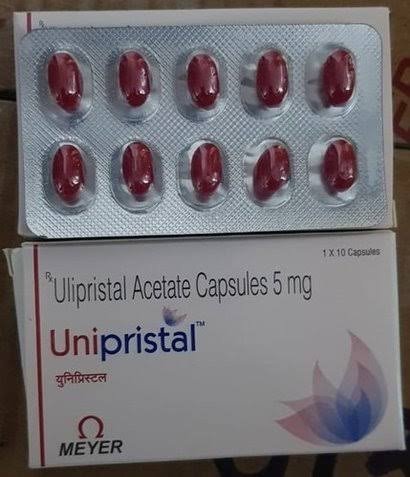
The timing is important because emergency contraception is designed to reduce the chance of pregnancy before pregnancy begins. Ulipristal acetate is not an abortion pill and is not indicated to terminate an established pregnancy. The current official label for ella also states that it should be used after unprotected intercourse or a known or suspected contraceptive failure and is not intended to replace a regular method of contraception.
Main Uses of Ulipristal Acetate Tablet
Emergency Contraception After Unprotected Sex
The primary use of the 30 mg ulipristal acetate tablet is emergency contraception. It may be prescribed when a person has had unprotected sexual intercourse and wants to reduce the risk of an unintended pregnancy. The tablet should be taken as soon as possible because prompt action is important, although the approved time window extends up to five days (120 hours) after the unprotected intercourse.
Unprotected sex can happen for many reasons. A person may not have used contraception, may have experienced a problem with a contraceptive method, or may be uncertain whether a method worked correctly. In these situations, emergency contraception can serve as a backup option rather than a regular birth-control plan. The medicine can be taken with or without food and may be taken at any point in the menstrual cycle according to the official prescribing information.
After a Birth Control Failure
Another important use is after a known or suspected contraceptive failure. For example, a condom may break or slip, or another contraceptive method may not have been used correctly. The official indication specifically includes prevention of pregnancy following unprotected intercourse or a known or suspected contraceptive failure. This makes ulipristal acetate an emergency option for situations in which the usual protection may not have worked as expected.
However, taking an emergency contraceptive does not automatically protect against additional unprotected intercourse later in the same cycle. The official label advises using a reliable barrier method for subsequent intercourse until the next menstrual period after taking ella. Fertility may return rapidly, so relying on the emergency tablet for future sexual activity would be a risky assumption.
Recommended Dosage and How to Take It
Standard 30 mg Dose
For the emergency contraceptive product discussed here, the standard labeled dose is one 30 mg tablet taken orally as soon as possible within 120 hours (5 days) after unprotected intercourse or contraceptive failure. Taking it sooner is generally preferable rather than waiting until the final day of the five-day window. The tablet may be taken with or without food.
Do not take extra tablets simply because you are worried that one tablet may not work. Medication dosing should follow the instructions provided by the prescriber and the official product label. If you have questions about a specific situation, especially repeated episodes of unprotected sex or uncertainty about the timing, contacting a healthcare professional is safer than guessing. Emergency contraception is time-sensitive, but that does not mean more medicine automatically means better protection.
What If You Vomit After Taking It?
Vomiting soon after swallowing a medicine can raise questions about whether the body absorbed the dose. According to the official prescribing information, if vomiting occurs within three hours of taking ella, repeating the dose should be considered. Because individual circumstances can vary, a pharmacist or healthcare professional can help determine the appropriate next step.
This is one reason it is useful to read the medicine information rather than simply taking a tablet and forgetting about it. Emergency contraception has a specific purpose, a specific time window, and several important follow-up considerations. If severe or persistent vomiting occurs, medical advice may also be appropriate because dehydration and other health concerns can develop independently of the contraceptive question.
Common Ulipristal Acetate Side Effects
Like many medicines, ulipristal acetate can cause side effects, although not everyone experiences them. Current official labeling lists headache, abdominal pain, nausea, dysmenorrhea or menstrual pain, fatigue, and dizziness among the most common adverse reactions observed in clinical trials. Reported frequencies in the label include headache in 18%, abdominal pain in 12%, nausea in 12%, menstrual pain in 9%, fatigue in 6%, and dizziness in 5% of participants.
| Common side effect | Frequency reported in clinical trials |
|---|---|
| Headache | 18% |
| Abdominal pain | 12% |
| Nausea | 12% |
| Menstrual pain | 9% |
| Fatigue | 6% |
| Dizziness | 5% |
These percentages describe results observed in clinical studies and should not be interpreted as a prediction of exactly what every individual will experience. Some people may have no noticeable side effects, while others may experience temporary symptoms. A mild headache or nausea may pass without treatment, but severe, persistent, or worrying symptoms deserve medical attention.
Changes in Your Menstrual Period
Can Ulipristal Acetate Delay Your Period?
Yes, ulipristal acetate can affect the timing of the next menstrual period. The official label reports that periods may occur earlier or later than expected by a few days. In clinical trials, the average cycle length increased by approximately 2.5 days, while some participants experienced larger changes in timing. The label states that if the expected period is delayed by more than one week, pregnancy should be ruled out.
This can understandably create anxiety. Someone may take emergency contraception and then begin watching the calendar every day, wondering whether a delayed period means the medicine failed. Menstrual timing alone cannot provide a definite answer because emergency contraception itself can alter the cycle. If the period is substantially delayed or there is concern about pregnancy, a pregnancy test and medical guidance can provide a clearer answer.
Irregular Bleeding and Spotting
Some people may also experience bleeding changes after taking ulipristal acetate. The official label reports intermenstrual bleeding in a proportion of study participants. Changes in bleeding do not automatically mean there is a serious problem, but unusual or heavy bleeding should not simply be ignored.
A useful way to think about emergency contraception is that it can temporarily disturb the body’s usual menstrual timetable. The next cycle may not follow the exact schedule expected before the tablet was taken. Still, severe pain, unusually heavy bleeding, fainting, or other alarming symptoms require medical assessment because those symptoms may have causes that need prompt attention.
Serious Warnings and When to Seek Medical Care
Severe Lower Abdominal Pain
The official prescribing information warns that people who become pregnant or develop lower abdominal pain after taking ulipristal acetate should be evaluated for ectopic pregnancy. An ectopic pregnancy occurs when a pregnancy develops outside the uterus and can become a medical emergency. Severe or persistent lower abdominal pain, especially when combined with dizziness, weakness, fainting, or abnormal bleeding, should receive urgent medical attention.
Emergency contraception should never be used as a reason to dismiss serious symptoms. While abdominal discomfort can be a common medication side effect, severe pain is different from ordinary mild discomfort. If something feels unusually intense or progressively worse, it is safer to seek professional medical care rather than trying to diagnose the problem through online information.
Existing or Suspected Pregnancy
Ulipristal acetate emergency contraception is not indicated for terminating an existing pregnancy. The official product information also lists known or suspected pregnancy as a contraindication for ella. If there is uncertainty about whether pregnancy already existed before taking the medicine, medical guidance may be needed.
This distinction matters because different reproductive medicines have different purposes. Calling all pregnancy-related medicines the same thing can cause confusion. Ulipristal acetate used as emergency contraception is intended to reduce the chance of pregnancy after a recent episode of unprotected sex; it should not be confused with medication used to terminate an established pregnancy.
Drug Interactions You Should Know About
Medicines That Can Reduce Effectiveness
Some medicines and herbal products can reduce the effectiveness of ulipristal acetate by inducing the CYP3A4 enzyme system. The official label specifically warns that CYP3A4 inducers can decrease the effectiveness of ella. This is why it is important to tell a doctor or pharmacist about prescription medicines, over-the-counter products, and herbal supplements before using the medication.
Drug interactions are easy to overlook because a person may think, “This is only one tablet, so what difference could my other medicine make?” In reality, even a single-dose medicine can interact with another drug. A pharmacist can quickly review a medication list and identify possible concerns, making professional advice especially valuable when emergency contraception is needed urgently.
Hormonal Birth Control After Ulipristal Acetate
Another important interaction involves progestin-containing hormonal contraception. According to the official label, starting or resuming hormonal contraception too soon after taking ella may interfere with ulipristal acetate’s ability to delay ovulation. The label advises initiating or resuming hormonal contraception no sooner than five days after taking ella and using a reliable barrier method until the next menstrual period.
This is a detail many people might not expect. It can seem logical to immediately restart regular hormonal birth control after emergency contraception, but ulipristal acetate has a specific interaction concern. Following the instructions from a healthcare professional and the official product information helps avoid accidentally reducing the effectiveness of the emergency contraceptive.
Does Ulipristal Acetate Protect Against STIs?
No. Ulipristal acetate does not protect against HIV or other sexually transmitted infections. Its purpose is emergency pregnancy prevention, not protection from infections transmitted through sexual contact. The FDA also clearly states that ulipristal acetate emergency contraception does not provide STI protection.
This distinction is essential because preventing pregnancy and preventing infection are two separate health goals. A method that helps with one does not necessarily help with the other. Anyone concerned about possible STI exposure should consider appropriate testing and medical advice rather than assuming an emergency contraceptive tablet provides complete sexual-health protection.
Ulipristal Acetate Tablet Price in 2026
Approximate Price in the United States
The price of ulipristal acetate can vary according to the country, pharmacy, insurance coverage, availability, and whether a branded or generic product is supplied. Recent U.S. pricing information shows a cash price of roughly $44 for one 30 mg ella tablet, while the manufacturer’s current information states that uninsured cash prices are usually around $40 to $50. These figures are estimates rather than a guaranteed price and can change between pharmacies.
| Pricing factor | What can affect the cost |
|---|---|
| Country | Local medicine pricing and regulations |
| Pharmacy | Individual pharmacy pricing policies |
| Insurance | Coverage and copay requirements |
| Brand or generic | Availability may differ |
| Prescription requirements | Local healthcare rules |
| Discounts | Coupons or assistance programs where available |
In the United States, the manufacturer states that many insured patients may have low or zero out-of-pocket costs when coverage requirements are met, while cash-paying customers may pay approximately $40 to $50. A recent pharmacy acquisition-cost listing also showed a July 2026 figure of about $37 per 30 mg tablet, but acquisition cost is not necessarily the same as the price paid by a patient at a pharmacy counter.
Why Prices Differ by Country
There is no single worldwide ulipristal acetate tablet price. A medicine sold under one brand in one country may have a different brand name, package, regulatory status, prescription requirement, or price elsewhere. Exchange rates also make direct comparisons misleading. For example, converting a U.S. dollar price into Pakistani rupees does not mean the medicine will be sold at that converted amount in Pakistan.
For the most accurate local price, check with a licensed pharmacy or healthcare provider in your country. If you are in Pakistan or another country outside the United States, availability should also be confirmed locally because a product discussed on a U.S. medicine website may not necessarily be stocked or approved in the same way everywhere else.
Who Should Talk to a Doctor Before Taking It?
Anyone with questions about pregnancy, current medicines, unusual symptoms, or a complicated medical situation should speak with a qualified healthcare professional. This is particularly important if there is a possibility that pregnancy already existed before taking the tablet, if there is severe abdominal pain, or if the person is using medicines that may affect CYP3A4. Official prescribing information also contains specific guidance about pregnancy, drug interactions, and use with hormonal contraception.
A pharmacist can also be an important source of timely information when emergency contraception is needed. They can help explain how to take the medicine, review possible interactions, and clarify local availability. Online articles are useful for general education, but they cannot examine an individual, confirm pregnancy status, or account for every medicine and health factor.
Important Things to Remember
Ulipristal acetate is an emergency option, not a substitute for a reliable long-term contraceptive plan. It should be taken within the approved time window after unprotected sex, and the sooner it is taken, the better it fits the intended emergency-use approach. It does not protect against STIs, does not terminate an existing pregnancy, and does not guarantee that pregnancy will never occur.
The medicine can also affect the next menstrual cycle, so a period may arrive earlier or later than expected. If the period is delayed by more than one week, the official label recommends ruling out pregnancy. Severe lower abdominal pain after taking the medicine, particularly if pregnancy occurs or is suspected, should receive medical attention because ectopic pregnancy needs to be considered.
Conclusion
Ulipristal acetate tablet is an important emergency contraceptive option used to help prevent pregnancy after unprotected sex or a known or suspected contraceptive failure. The commonly referenced emergency contraceptive dose is one 30 mg tablet taken as soon as possible within five days, with or without food. Common side effects include headache, abdominal pain, nausea, menstrual pain, fatigue, and dizziness, while menstrual timing may also change temporarily.
The price varies by location and pharmacy, with recent U.S. cash-price estimates generally around $40 to $50 per tablet, although insurance coverage and local programs may change the amount a patient actually pays. Before taking any medicine, especially when pregnancy, drug interactions, or severe symptoms are involved, speak with a doctor or pharmacist for advice appropriate to your situation.
FAQs
1. What is ulipristal acetate tablet used for?
Ulipristal acetate 30 mg is used as emergency contraception to help prevent pregnancy after unprotected intercourse or a known or suspected contraceptive failure. It should be taken as soon as possible within 120 hours, or five days. It is not intended for routine contraception.
2. What are the most common side effects of ulipristal acetate?
Common side effects listed in the official label include headache, abdominal pain, nausea, menstrual pain, fatigue, and dizziness. Headache was the most frequently reported adverse reaction in the cited clinical trials. Individual experiences can vary.
3. Can ulipristal acetate delay your period?
Yes. The medicine can cause the next period to arrive earlier or later than expected. If the expected menstrual period is delayed by more than one week, the official prescribing information recommends ruling out pregnancy.
4. How much does ulipristal acetate cost?
The price depends on the country, pharmacy, insurance, and product availability. Recent U.S. information places the cash price for ella 30 mg at roughly $40 to $50, with one current price listing showing approximately $44 for a tablet. Local prices outside the U.S. may be very different.
5. Does ulipristal acetate protect against HIV or other STIs?
No. Ulipristal acetate is intended for emergency pregnancy prevention and does not protect against HIV or other sexually transmitted infections.