
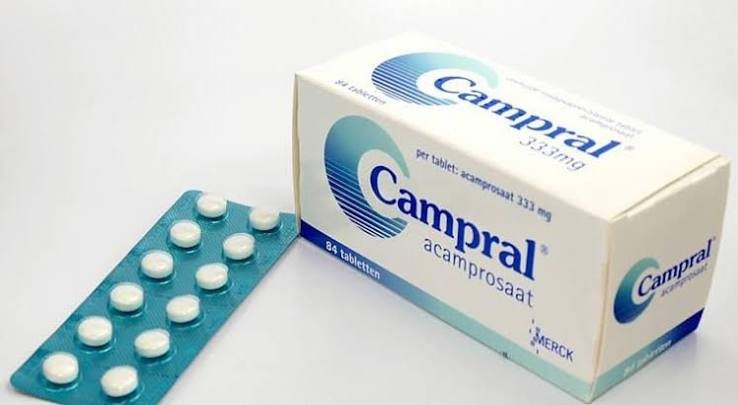
What Is Campral 333 mg?
Campral 333 mg is a medicine containing acamprosate calcium, a drug used as part of treatment for alcohol dependence or alcohol use disorder. The medicine is designed to help people maintain abstinence from alcohol after they have stopped drinking, rather than acting as a cure for alcoholism or as an emergency treatment for alcohol withdrawal. In simple terms, think of recovery as rebuilding balance after a storm. Long-term heavy alcohol use can disrupt brain signalling, and acamprosate is intended to support the recovery process while the person works to remain alcohol-free. Current UK product information identifies each gastro-resistant tablet as containing 333 mg of acamprosate calcium, and states that treatment should be combined with counselling. Canadian official product records also list acamprosate calcium at a strength of 333 mg as an oral delayed-release tablet.
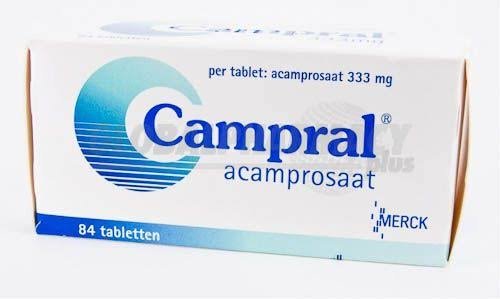
Campral is a prescription medicine, so it should not be started simply because someone wants to drink less without discussing their situation with a qualified healthcare professional. Alcohol dependence can involve physical withdrawal, mental health concerns, liver or kidney issues, and interactions with other medicines. That makes professional assessment especially important. A treatment plan may include medically supervised withdrawal when necessary, counselling, behavioural therapy, social support and medication. Campral is one tool in that toolbox, not the entire toolbox itself. The goal is usually to help a person who has already stopped drinking continue moving forward without returning to alcohol.
Campral and Acamprosate: Understanding the Difference
Campral is a brand name, while acamprosate is the name of the active medicine. This distinction can matter when checking prices in the USA, UK or Canada because the brand product and generic versions may have very different availability and costs. In the United States, the original Campral 333 mg formulation has been discontinued, while FDA-approved generic acamprosate calcium 333 mg delayed-release tablets remain available from multiple manufacturers. Current availability information updated in June 2026 lists approved generic manufacturers and confirms that generic acamprosate is available, although actual pharmacy stock can vary.
When searching for this medicine, you may therefore see terms such as Campral, acamprosate, or acamprosate calcium 333 mg. They refer to the same active treatment concept, but the manufacturer, packaging and price may differ. In the UK, current electronic medicines information lists generic Acamprosate 333 mg Gastro-resistant Tablets, while Campral EC is also a recognised product name. Always check the medicine label and active ingredient rather than relying only on the brand name. If your doctor prescribes acamprosate, a pharmacist may dispense an approved generic product depending on local rules and availability.
How Campral Works in the Brain
The exact effects of acamprosate involve complex brain signalling, but the basic idea is easier to understand. Long-term alcohol exposure can disturb the balance between stimulating and calming neurotransmitter systems. Acamprosate is believed to influence this imbalance, including systems involving GABA and glutamate, helping support a more stable state after alcohol has been stopped. The current UK product information describes acamprosate as potentially stimulating GABAergic inhibitory neurotransmission while antagonising excitatory amino acids, particularly glutamate.
This does not mean that Campral creates a magical shield that makes alcohol impossible to drink. It also does not mean every craving instantly disappears after the first tablet. Recovery is usually more like steering a ship through changing weather: medication can help, but counselling, coping skills, support and lifestyle changes also matter. The medicine is specifically intended to support abstinence, which is why official prescribing information recommends starting treatment after the withdrawal period, once the person is abstinent. Continued alcohol use can reduce the treatment’s benefit.
Campral 333 mg Uses
The primary Campral 333 mg use is to help maintain abstinence in people who are dependent on alcohol and have stopped drinking. It is generally used alongside counselling and other forms of psychosocial support. This is an important point because online descriptions sometimes make medication sound like a stand-alone solution. In reality, alcohol dependence is often influenced by habits, stress, relationships, mental health, environment and physical dependence. A medicine may support recovery, but addressing these other factors can also be essential. Current UK prescribing information specifically states that acamprosate is indicated to maintain abstinence in alcohol-dependent patients and should be combined with counselling.
Campral is therefore different from a medicine used to manage acute alcohol withdrawal symptoms. Someone who is actively experiencing severe withdrawal symptoms needs urgent medical assessment rather than self-treating with acamprosate. Severe alcohol withdrawal can be dangerous. Campral is generally considered after the withdrawal phase as part of a longer recovery strategy. The recommended treatment period in the current UK product information is one year, although an individual’s treatment duration should always be decided by the prescribing clinician.
Maintaining Abstinence From Alcohol
The key phrase associated with acamprosate is maintaining abstinence. That means supporting a person who has already stopped alcohol use and is working to continue without drinking. This distinction is critical for anyone researching “Campral uses” online. The medicine is not simply marketed as a tablet that can be taken before drinking to prevent intoxication, nor is it a medication that removes the harmful effects of alcohol from the body. Official information warns that continued alcohol abuse negates the therapeutic benefit and that treatment should be initiated after withdrawal once the patient is abstinent.
For some people, maintaining abstinence can feel difficult because triggers appear unexpectedly. Stress, social events, loneliness, familiar locations and emotional challenges can all become reminders of past drinking patterns. A structured treatment plan can help identify these triggers and prepare healthier responses. That is one reason medication is often paired with counselling. The tablet may support the biological side of recovery while counselling helps address behaviours and situations surrounding alcohol use. Rather than viewing Campral as the entire bridge to recovery, it may be more accurate to view it as one important support beam.
Why Counselling and Support Matter
Medication and counselling often work best as partners rather than competitors. Counselling can help a person understand why certain situations lead to alcohol use and develop practical strategies for handling those moments. Support may come from addiction specialists, therapists, family members, recovery groups or other qualified services. The specific type of support varies from person to person. What matters is creating a realistic system that can continue beyond the first few days of motivation.
Current product information repeatedly states that acamprosate should be used with counselling. This recommendation makes sense because alcohol dependence is rarely explained by one single factor. Imagine trying to repair a house after a major storm by replacing only one broken window. The repair may help, but other damage still needs attention. Similarly, medication can support recovery while counselling and social support address the broader challenges that can contribute to relapse.
Who May Benefit From Campral?
Campral may be considered for adults with alcohol dependence who have completed the withdrawal period and are abstinent, depending on their medical condition and a clinician’s assessment. Not everyone who drinks heavily is automatically an appropriate candidate for acamprosate. Kidney function, age, pregnancy or breastfeeding status, other medical conditions and the overall treatment plan can influence whether the medicine is suitable. The UK information states that safety and efficacy have not been established for people younger than 18 or older than 65, and it is not recommended for those groups under that product information.
A healthcare professional should also consider the person’s mental health and recovery circumstances. Alcohol dependence can coexist with depression, anxiety and other serious concerns. Current prescribing information highlights the complex relationship between alcohol dependence, depression and suicidality and recommends monitoring patients for such symptoms. This is one reason self-diagnosis and self-prescribing are poor substitutes for proper medical care.
Starting Treatment After Alcohol Withdrawal
The timing of treatment matters. Current UK prescribing information says acamprosate treatment should be initiated as soon as possible after the withdrawal period and once the patient is abstinent. If someone is still drinking heavily or is at risk of withdrawal, they should speak with a medical professional rather than assuming Campral is the correct first step. Alcohol withdrawal can range from uncomfortable to life-threatening, particularly after prolonged heavy use.
A clinician can determine whether supervised withdrawal is necessary and when acamprosate may fit into the recovery plan. This approach is safer because treatment is matched to the stage of recovery. Starting the right medicine at the wrong stage is a bit like using a seatbelt as a substitute for brakes: both may be useful in a car, but they serve different purposes. Campral is intended to support abstinence after alcohol has been stopped, while acute withdrawal requires separate clinical management.
Why Campral Is Not a Treatment for Acute Alcohol Withdrawal
Campral 333 mg should not be viewed as an emergency treatment for alcohol withdrawal. Acute withdrawal may involve symptoms ranging from shaking and sweating to severe complications requiring immediate medical attention. Anyone experiencing serious withdrawal symptoms, confusion, hallucinations or seizures should seek urgent medical care. The correct treatment depends on the person’s condition and should be determined by qualified professionals.
Acamprosate works within a longer-term strategy to maintain abstinence. It does not replace medical detoxification or emergency care. Official product information focuses on beginning treatment after the withdrawal period and maintaining therapy during recovery. If a person returns to drinking while taking acamprosate, they should contact their healthcare professional for guidance rather than changing the dose independently.
Campral 333 mg Dosage and How to Take It
The dose of acamprosate 333 mg depends on factors such as body weight and the prescribing information applicable in the country where the medicine is supplied. According to current UK product information for adults aged 18 to 65, patients weighing 60 kg or more are generally prescribed two 333 mg tablets three times daily with meals, while those weighing under 60 kg are generally prescribed a total of four tablets per day divided into three doses. That means the higher-weight regimen totals six tablets, or 1,998 mg of acamprosate calcium per day.
However, do not use an online article as a personal prescription. The exact instructions on your prescription label and the advice of your doctor or pharmacist take priority. Different countries may have different approved labelling and individual medical circumstances can require special consideration. Never double a dose because you missed a tablet unless a healthcare professional specifically instructs you to do so.
Standard Adult Dosing
A typical regimen described in current UK prescribing information is:
| Patient category | General regimen described in UK product information |
|---|---|
| Adults weighing 60 kg or more | 2 tablets, 3 times daily with meals |
| Adults weighing under 60 kg | 4 tablets per day divided into 3 doses |
| Children and adolescents | Not recommended under the cited UK product information |
| Older adults | Not recommended under the cited UK product information |
These details are based on current UK product information and are provided for general education, not for self-prescribing. A prescriber will consider your individual circumstances. If you have questions about a dose, call the prescribing clinic or ask your pharmacist before changing anything.
Important Instructions for Taking the Tablets
Acamprosate 333 mg tablets are gastro-resistant or delayed-release tablets, depending on the product terminology. Current UK information says they should be swallowed whole and not chewed or crushed because doing so may damage the protective coating. The medicine is generally taken with meals under the cited dosing guidance, which can also help establish a consistent routine.
Consistency matters with many long-term medicines. Setting reminders and connecting doses with regular meals can reduce the chance of missed doses. If you frequently forget medication, discuss practical strategies with your pharmacist or healthcare provider. Do not stop a prescribed medicine suddenly or change your treatment plan without discussing the reason with the clinician managing your alcohol recovery.
Common and Serious Side Effects of Campral 333 mg
Like all medicines, Campral 333 mg can cause side effects, although not everyone experiences them. The most commonly reported side effect in current UK product information is diarrhoea, which is listed as very common. Other common digestive side effects include abdominal pain, nausea, vomiting and flatulence. Common changes in libido and certain skin reactions, such as itching or a maculopapular rash, are also listed.
Side effects can vary from person to person. Mild symptoms may improve, but persistent, severe or worrying symptoms should be discussed with a healthcare professional. It is also important not to assume every symptom is automatically caused by the medicine. Recovery from alcohol dependence, changes in diet, other medications and underlying health conditions can all affect how a person feels.
Common Digestive and Other Side Effects
Based on the current UK product information, possible side effects include:
- Very common: diarrhoea.
- Common: abdominal pain, nausea, vomiting and flatulence.
- Common: itching and certain skin rashes.
- Common: decreased libido.
- Uncommon: increased libido.
Diarrhoea is particularly important because prolonged or severe diarrhoea can lead to dehydration. If symptoms are severe or do not improve, contact a healthcare professional. Do not simply increase or reduce your dose on your own in an attempt to manage side effects. Your doctor or pharmacist can assess whether the medicine should be continued, adjusted or replaced.
Serious Reactions and When to Seek Medical Help
Although serious allergic reactions are rare, current product information lists hypersensitivity reactions, including urticaria, angioedema and anaphylactic reactions, as possible adverse effects. Symptoms such as swelling of the face or throat, difficulty breathing or signs of a severe allergic reaction require urgent medical attention.
People receiving treatment for alcohol dependence should also be monitored for changes in mood and suicidal thoughts. The current UK product information specifically notes the recognised relationship between alcohol dependence, depression and suicidality and recommends monitoring for these symptoms. If you or someone else experiences suicidal thoughts or is in immediate danger, seek emergency help immediately through local emergency services.
Warnings, Precautions and Drug Safety
Before taking Campral or generic acamprosate, tell your prescriber about all medicines you use and any significant health conditions. Kidney health is particularly important because acamprosate is eliminated through the kidneys. The current UK product information lists renal impairment above specified thresholds as a contraindication and explains that acamprosate elimination is affected by renal function.
This is a good example of why two people with the same alcohol history may receive different treatment plans. A medicine that is appropriate for one person may not be appropriate for another because of kidney function or other medical factors. Always provide a complete medication list, including prescription medicines, over-the-counter products and supplements, when seeing a clinician.
Kidney Problems and Other Important Considerations
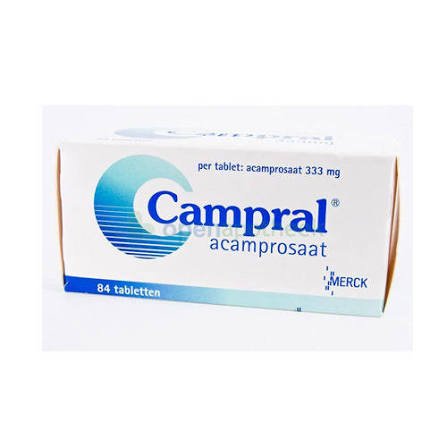
People with significant kidney impairment may not be suitable candidates for acamprosate. Current UK information also says the safety and efficacy of acamprosate have not been established in severe liver insufficiency classified as Child-Pugh C. This does not mean every person with a liver problem will automatically receive the same advice; it means a clinician needs to evaluate the individual situation.
Breastfeeding is also listed as a contraindication in the cited UK product information. If you are pregnant, planning pregnancy or breastfeeding, discuss the risks and benefits of treatment with a qualified healthcare professional. Never start, stop or switch a prescription medicine based only on an internet article.
Campral 333 mg Price in the USA, UK and Canada
Campral 333 mg prices vary significantly by country, pharmacy, brand versus generic status, quantity, insurance or public coverage, discount programs and local availability. Prices can also change over time, so the figures below should be treated as current reference examples rather than guaranteed prices. Prescription medicines may be covered partially or fully through insurance or public healthcare systems, depending on eligibility.
A useful rule is to compare the exact product, strength and quantity. Seeing a low price for 30 tablets does not mean it is cheaper than another offer for 180 tablets. Similarly, a brand-name price should not automatically be compared with a generic price. Always check whether shipping, dispensing fees, taxes or consultation charges are included.
USA Prices
In the United States, current pricing data shows substantial differences between brand Campral and generic acamprosate. Drugs.com currently lists Campral 333 mg at approximately US$287 for 180 tablets for cash-paying customers, while generic acamprosate 333 mg is listed from approximately US$20.17 for 30 tablets or US$99.76 for 180 tablets, depending on the pharmacy and pricing data. These are cash-price estimates and are not guaranteed insurance prices.
GoodRx currently shows example discounted prices for 180 generic 333 mg tablets, with listed prices varying by pharmacy. One displayed example is approximately US$68.17 for 180 tablets using a coupon, while the average retail price shown on that page is much higher. The original US Campral formulation is discontinued, but multiple FDA-approved generic 333 mg products are listed as approved and available.
UK Prices
In the United Kingdom, acamprosate 333 mg is available as a prescription medicine, and current electronic medicines information lists generic Acamprosate 333 mg Gastro-resistant Tablets in pack sizes including 84, 168 and 504 tablets, depending on the marketed product. For many patients, the most relevant out-of-pocket amount may depend on whether the prescription is supplied through the NHS, eligibility for exemptions, or a private prescription.
For this reason, there is no single “UK Campral price” that accurately applies to everyone. Private pharmacy prices can vary, and online international listings should not be confused with standard NHS prescription arrangements. One international pharmacy comparison listing recently showed UK-supplied 168-tablet packages at around US$100.06 equivalent, but this is an international retail comparison rather than an official NHS patient price and may include a completely different purchasing route. UK residents should check the actual price with an authorised pharmacy or their healthcare provider.
Canada Prices
In Canada, the official Drug Product Database lists acamprosate calcium 333 mg as a human oral delayed-release tablet. Actual patient prices can depend on province, pharmacy, private insurance and public drug coverage. A current online pharmacy listing for Canadian customers shows example prices of approximately US$96 for 84 generic tablets, US$146 for 168 generic tablets, and US$163 for 168 Campral tablets, but these are retailer examples rather than a universal Canadian market price.
Because medication prices can change, patients should ask a local pharmacist for the current cost of the exact prescribed product. If affordability is a problem, ask the prescriber or pharmacist about generic options, insurance coverage and available assistance programs. Never purchase prescription medication from an unverified seller simply because the advertised price looks unusually low.
Brand vs Generic Acamprosate
Choosing between Campral and generic acamprosate may largely come down to availability and cost. The active ingredient is acamprosate calcium, but manufacturers, packaging and pricing differ. In the United States, current availability information indicates that the original Campral product has been discontinued while approved generic versions remain available. This means many US patients prescribed this treatment may receive generic acamprosate rather than the Campral brand.
Generic medicines approved by the relevant regulator are intended to meet applicable standards for quality and equivalence. Your pharmacist can tell you exactly which product is being dispensed. If you have previously taken a particular brand and notice a change in tablet appearance or packaging, check the label before taking it rather than assuming it is an error.
Conclusion
Campral 333 mg, also known as acamprosate calcium, is used to help maintain abstinence from alcohol in people with alcohol dependence after they have completed the withdrawal phase and stopped drinking. It is intended to work as part of a broader recovery program that includes counselling and support rather than as a stand-alone cure. The most commonly listed side effect is diarrhoea, while other possible side effects include abdominal discomfort, nausea, vomiting, flatulence, skin reactions and changes in libido. Rare but serious allergic reactions can occur, and kidney function and mental health require careful consideration.
Price can differ dramatically between the USA, UK and Canada. In the US, generic acamprosate may be substantially cheaper than brand-name Campral pricing examples, while UK and Canadian costs depend heavily on prescription coverage, dispensing arrangements and the exact pharmacy. Current price examples should always be checked again before purchase because pharmacy prices and availability change.
The safest approach is simple: use Campral or generic acamprosate only under the supervision of a qualified healthcare professional, follow the prescribed dose exactly, and combine medication with the recovery support recommended for your situation.
Frequently Asked Questions About Campral 333 mg
FAQ 1: What is Campral 333 mg used for?
Campral 333 mg is used to help maintain abstinence from alcohol in people with alcohol dependence. It is generally started after the withdrawal period once the person has stopped drinking and is intended to be used alongside counselling and other support.
FAQ 2: Does Campral stop alcohol cravings immediately?
Campral should not be expected to work like an instant switch that immediately removes every urge to drink. It is part of an ongoing treatment plan intended to support abstinence and recovery. Individual results can vary, so discuss expectations and progress with the prescribing healthcare professional.
FAQ 3: Can Campral be taken with alcohol?
Current UK product information states that continued alcohol abuse negates the therapeutic benefit and recommends starting treatment once the patient is abstinent. If you drink while taking acamprosate, contact your healthcare professional for guidance about your treatment plan rather than changing the dose yourself.
FAQ 4: What is the most common side effect?
According to current UK prescribing information, diarrhoea is a very common side effect. Other common side effects include abdominal pain, nausea, vomiting, flatulence, itching and certain skin rashes.
FAQ 5: How much does Campral 333 mg cost?
The price varies by country, pharmacy, quantity and whether you receive brand-name or generic medicine. Current US examples list generic acamprosate from around US$20.17 for 30 tablets and around US$99.76 for 180 tablets, while brand Campral is listed around US$287 for 180 tablets in the cited cash-price data. Check with a local authorised pharmacy for the current price in your area.