
Edetate Uses, Side Effects, and Price in the USA
Edetate is a name associated with injectable medicines that belong to a group of drugs called chelating agents. These medicines work by binding certain metals or minerals in the bloodstream so that the body can eliminate them, usually through the kidneys. However, the word “edetate” can refer to more than one formulation, and this distinction matters when discussing uses, side effects, dosage, and price. Edetate calcium disodium is primarily used as a medical treatment for significant lead poisoning, while edetate disodium has historically been used in selected situations involving severe hypercalcemia and certain ventricular arrhythmias associated with digitalis toxicity. The current labeling available through DailyMed identifies edetate calcium disodium injection as a prescription chelating agent indicated for reducing blood lead levels and lead stores in adults and children. Because these are potent injectable medicines with potentially serious toxic effects, they are not ordinary over-the-counter drugs and should never be self-administered. A healthcare professional determines which formulation is appropriate after considering the patient’s diagnosis, blood tests, kidney function, symptoms, and overall condition. This article explains what edetate is, what it is used for, possible adverse effects, important precautions, and what patients may encounter when checking the edetate price in the USA.
Table of Contents
- What Is Edetate?
- Edetate Disodium vs. Edetate Calcium Disodium
- Edetate Uses
- How Edetate Works
- Edetate Dosage and Administration
- Edetate Side Effects
- Common Side Effects
- Serious Side Effects and Warnings
- Who Should Not Receive Edetate?
- Drug Interactions and Precautions
- Edetate Price in the USA
- Edetate vs. Other Chelation Treatments
- Frequently Asked Questions
- Conclusion
- Disclaimer
What Is Edetate?
Edetate is a chemical compound used in medicine because it can bind metal ions through a process called chelation. Think of a chelating agent as a molecular claw: it attaches itself to certain metals and forms a complex that the body can then eliminate. The clinical effect depends heavily on which edetate salt is being used. Edetate calcium disodium contains calcium and is specifically labeled for the treatment of lead poisoning, whereas edetate disodium has a different clinical profile because it can bind calcium strongly and lower serum calcium when administered intravenously. The distinction is especially important because these products should not simply be considered interchangeable. Current DailyMed labeling for edetate calcium disodium states that it is available as a sterile injectable solution for intravenous or intramuscular administration and contains 200 mg/mL, with a 5 mL single-dose vial containing 1,000 mg. Edetate products are prescription medicines intended for carefully selected clinical circumstances rather than routine supplementation or general wellness. A patient searching online for “edetate uses” should therefore first determine the exact medicine being discussed. The generic name, formulation, concentration, route of administration, and medical indication can all change the safety information and expected treatment approach.
Edetate Disodium vs. Edetate Calcium Disodium
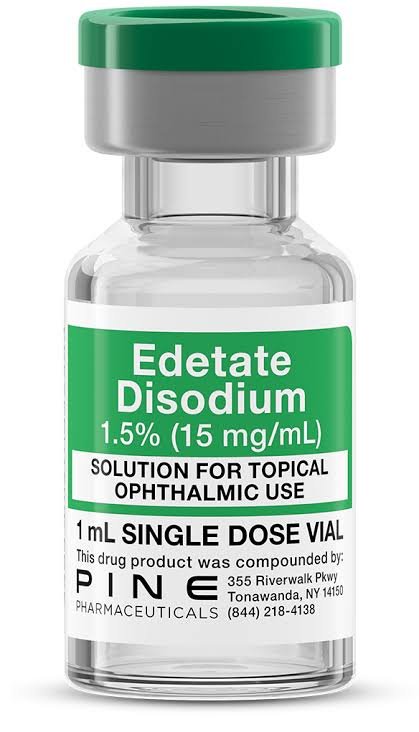
The names edetate disodium and edetate calcium disodium sound almost identical, but they have important clinical differences. Edetate calcium disodium is indicated for reducing blood lead levels and lead stores in cases of acute or chronic lead poisoning and lead encephalopathy. Edetate disodium, historically marketed under the name Endrate, is labeled for selected patients requiring emergency treatment of hypercalcemia and for control of ventricular arrhythmias associated with digitalis toxicity. This difference is not just a technical detail. Giving the wrong edetate formulation can produce dangerous changes in calcium or other electrolyte levels, and rapid intravenous administration of edetate disodium can cause a potentially fatal fall in serum calcium. Similarly, edetate calcium disodium has a boxed warning concerning serious toxicity and requires careful attention to kidney function, urine output, dosing, and infusion technique. For that reason, patients should always check the complete generic name on their prescription or medical record rather than relying only on the word “edetate.”
Edetate Uses
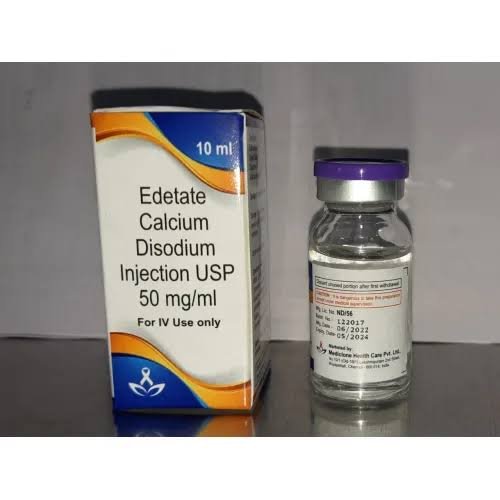
The most important modern clinical use of edetate calcium disodium is chelation therapy for lead poisoning. Lead can accumulate in the body, particularly in bones and other tissues, and significant exposure can damage multiple organ systems. The official label states that edetate calcium disodium is indicated for reducing blood levels and depot stores of lead in acute and chronic lead poisoning and lead encephalopathy in both children and adults. Treatment is not simply about removing lead from the bloodstream, however. The underlying exposure must also be identified and reduced, because chelation does not substitute for removing a person from the source of lead exposure. Depending on the patient’s blood lead concentration and symptoms, clinicians may use edetate calcium disodium alone or combine it with another chelating agent. The official labeling specifically notes that edetate calcium disodium used alone can aggravate symptoms in patients with very high blood lead levels, and combination treatment with dimercaprol may be recommended in certain severe cases. This is why treatment decisions should be made in a hospital or specialized medical setting rather than based on an internet dosage chart. In practice, clinicians consider blood lead results, neurological findings, kidney function, age, symptoms, and the severity of poisoning before selecting treatment.
Uses of Edetate Calcium Disodium for Lead Poisoning
For lead poisoning, edetate calcium disodium binds lead and increases its elimination in the urine. The medication is particularly relevant when lead toxicity is sufficiently significant to justify chelation therapy. According to the current label, the medicine can be used in both pediatric and adult patients and may be administered intravenously or intramuscularly. The treatment schedule can involve a course lasting several days followed by an interruption, allowing clinicians to manage redistribution of lead and reduce depletion of essential metals such as zinc. The precise regimen depends on the patient’s clinical circumstances and must be calculated by a healthcare professional. An important safety issue is that lead poisoning itself can be associated with kidney injury, while edetate calcium disodium can also cause renal toxicity. Therefore, kidney function and urine output need to be monitored carefully during treatment. The official prescribing information says therapy should be stopped if anuria or severe oliguria develops, and it recommends laboratory monitoring before and during treatment. In children with lead encephalopathy, particular caution is required because rapid intravenous infusion can worsen cerebral edema and may have life-threatening consequences. The intramuscular route is preferred for patients with overt lead encephalopathy according to the product labeling.
Uses of Edetate Disodium in Hypercalcemia
Edetate disodium has a different labeled clinical role. The DailyMed label for Endrate describes it as a clinical chelating agent that can lower serum calcium and identifies selected emergency treatment of hypercalcemia as an indication. It is also labeled for control of ventricular arrhythmias associated with digitalis toxicity. Hypercalcemia means that the level of calcium in the blood is abnormally high and can become a medical emergency depending on its severity and cause. Because edetate disodium can lower calcium rapidly, its administration requires careful control of the dose and infusion rate. The label warns that rapid intravenous administration or excessively high serum concentrations may cause a precipitous decrease in serum calcium and potentially result in death. This illustrates why edetate disodium is fundamentally different from a routine medicine that someone might take at home. Its use involves laboratory monitoring, appropriate preparation, and medical supervision. Patients should also understand that online articles sometimes incorrectly describe EDTA products as treatments for a wide range of chronic diseases. Such claims should not be confused with approved indications. The specific product label and a qualified healthcare professional should guide treatment decisions.
How Edetate Works
Edetate works through chelation, meaning it forms stable chemical complexes with certain positively charged ions. Once the drug binds the target substance, the resulting complex can be eliminated from the body, primarily through the kidneys. With edetate calcium disodium, the clinically important target is lead. The current label explains that the medicine is distributed primarily in extracellular fluid and is excreted largely by the kidneys, with approximately 50% eliminated within one hour and more than 95% within 24 hours. With edetate disodium, the drug also binds calcium and other polyvalent metals, which explains both its therapeutic effects and some of its potential adverse effects. This mechanism is useful but not perfectly selective: chelating agents can influence essential minerals as well as the unwanted metal. Edetate calcium disodium treatment, for example, may contribute to zinc deficiency, while edetate disodium can increase urinary losses of magnesium and other trace elements and may contribute to low potassium levels. That is why medical teams monitor laboratory values rather than assuming that removing a harmful metal is the only consideration. In simple terms, chelation is more like carefully removing a key from a crowded key ring than sweeping away one unwanted object without touching anything else.
Edetate Dosage and Administration
The correct edetate dosage depends on the exact formulation and medical indication, so there is no single dose that applies to every product carrying the edetate name. For edetate calcium disodium, the current label gives dosing based partly on body surface area and clinical circumstances. For certain asymptomatic adults and pediatric patients with specified blood lead levels, the label describes 1,000 mg/m²/day administered intravenously or intramuscularly. Patients with lead encephalopathy and other severe cases may require different treatment strategies, including combination therapy. The medication must be administered using the appropriate route and technique. For intravenous use, the labeled daily dose is diluted and infused over an extended period rather than being injected rapidly. Intramuscular doses may be divided into separate administrations, and the product information describes the use of a local anesthetic to reduce injection-site discomfort. Edetate disodium also requires dilution before intravenous infusion, and the label places particular emphasis on controlling the rate of administration. Patients should never attempt to calculate or administer an injectable chelating agent themselves. A dosing error can affect kidney function, calcium, potassium, or other critical physiological processes. The prescribing clinician should determine the regimen after reviewing laboratory results and the patient’s medical history.
Edetate Side Effects
Like other powerful prescription medicines, edetate can cause side effects, and some can be serious. The adverse effects vary according to the formulation. With edetate calcium disodium, reported reactions include injection-site pain, fever, chills, fatigue, muscle or joint pain, low blood pressure, heart rhythm abnormalities, kidney injury, nausea, vomiting, headache, numbness, tingling, rash, anemia, zinc deficiency, and electrolyte disturbances. The most concerning problem is often kidney toxicity, because the medicine is eliminated primarily through the kidneys and treatment itself can cause renal tubular injury. This is why urine output, kidney function, urinalysis, and other laboratory parameters are monitored during treatment. The drug should be stopped if significant renal toxicity develops. Edetate disodium has its own adverse-effect profile, including nausea, vomiting, diarrhea, temporary numbness or tingling around the mouth, headache, blood-pressure reduction, fever, anemia, and other reactions. Excessive dosing can cause much more serious toxicity. Patients receiving these medicines should therefore report unusual symptoms promptly instead of assuming that discomfort is harmless.
Common Side Effects
Some reactions can occur even when edetate is administered correctly. With edetate calcium disodium, pain at the injection site, fever, chills, malaise, fatigue, muscle pain, and joint pain are listed adverse reactions. Gastrointestinal symptoms such as nausea and vomiting can also occur. Some people may experience headache, tremors, numbness, or tingling. Because the medicine can affect electrolytes and trace minerals, clinicians may order blood tests during treatment rather than waiting for symptoms to appear. Edetate disodium can also cause gastrointestinal symptoms, including nausea, vomiting, and diarrhea, along with transient blood-pressure changes and neurological sensations such as circumoral numbness. The severity of these effects can vary between individuals, and an adverse reaction should always be interpreted in the context of the underlying illness. A patient receiving chelation for serious lead poisoning may already be unwell, making it difficult to determine whether a new symptom comes from the medicine, the poisoning, or another medical problem. This is another reason why supervised treatment is important. Mild symptoms should be communicated to the treating medical team, while severe symptoms such as fainting, major breathing difficulty, confusion, seizures, dramatically reduced urine output, or serious allergic reactions require immediate medical attention.
Serious Side Effects and Warnings
The most important safety concern with edetate calcium disodium is potentially severe renal toxicity. The current boxed warning states that the medicine can produce toxic effects that may be fatal. It also warns about particular risks in patients with lead encephalopathy, especially when the intravenous route is used. Rapid infusion in patients with lead encephalopathy can contribute to dangerous cerebral complications, which is why the recommended administration schedule must be followed precisely. Edetate disodium carries a different but equally important warning: rapid intravenous administration can cause a sudden fall in serum calcium and potentially fatal complications. These warnings demonstrate that “edetate” is not a medicine that should be used casually. The risk-benefit calculation is made because the medical condition being treated can itself be dangerous. Appropriate monitoring can include kidney tests, urinalysis, electrolyte measurements, blood-pressure assessment, and cardiac monitoring when indicated. The patient should also tell the medical team about kidney disease, heart disease, electrolyte problems, pregnancy, breastfeeding, and all medicines being taken. If urine production decreases significantly during therapy, this can be an emergency because the drug relies heavily on renal elimination. The label specifically instructs patients to report cessation of urine output.
Who Should Not Receive Edetate?
Certain patients require special caution or should not receive a particular edetate formulation. For edetate calcium disodium, the current label states that it should not be given during periods of anuria and should not be used in patients with active renal disease or hepatitis. Reduced kidney function is especially important because the medicine is primarily eliminated through the kidneys and can itself contribute to renal damage. Patients with mild pre-existing renal disease may require reduced doses and closer monitoring. For edetate disodium, anuria is also listed as a contraindication, while patients with limited cardiac reserve, potassium deficiency, or other electrolyte problems require caution. Pregnancy and breastfeeding also deserve discussion with a healthcare professional. The edetate calcium disodium label notes that adequate controlled studies in pregnant women are lacking and recommends use during pregnancy only when clearly needed. The safest approach is to give the clinician a complete medical history before treatment begins. This is especially important for children, older adults, and people with kidney or heart problems. A medicine capable of altering metal and electrolyte levels should never be selected simply because an internet search describes it as a chelation treatment.
Edetate Drug Interactions and Precautions
Edetate can affect mineral levels and physiological processes, so medication and laboratory monitoring are important. Edetate calcium disodium can influence zinc levels and kidney function, while edetate disodium can increase urinary losses of magnesium and other trace elements and may lower potassium. Edetate disodium can also influence blood glucose in patients receiving insulin, according to its prescribing information. People receiving medicines that affect the heart, kidneys, blood pressure, electrolytes, or blood glucose should tell their clinician about them before treatment. The healthcare team may need to monitor laboratory results more frequently depending on the patient’s condition. For intravenous edetate disodium, cardiac monitoring can be especially important because calcium and electrolyte changes can influence heart function and rhythm. The medication also needs appropriate preparation and dilution; the historical Endrate label specifically warns against administering the concentrated solution without proper dilution. These precautions may sound complicated, but they exist for a straightforward reason: chelation changes the chemistry of the bloodstream. In a controlled clinical environment, the medical team can measure those changes and respond if necessary. Outside that environment, a patient cannot safely predict how a powerful injectable chelating agent will affect kidney function, calcium, potassium, blood pressure, or cardiac activity.
Edetate Price in the USA
The price of edetate in the USA can be surprisingly high and can vary substantially depending on the formulation, manufacturer, pharmacy, quantity, insurance coverage, and availability. For edetate calcium disodium, a current Drugs.com price guide lists an approximate cash price of $27,285.23 for 25 mL, equivalent to about $1,091.41 per 5 mL unit, while also warning that actual pharmacy prices can vary and that quoted cash prices do not represent insurance pricing. Another listed product, Calcium Disodium Versenate, is shown at approximately $27,475.38 for 25 mL. These figures should be treated as price references rather than guaranteed retail prices. Hospital charges may be substantially different because patients may also be charged for administration, laboratory monitoring, physician services, emergency treatment, or inpatient care. Insurance coverage can also dramatically change the patient’s out-of-pocket cost. Availability is another factor because injectable medicines used for specialized indications may not be stocked by every retail pharmacy. Before purchasing or arranging treatment, patients should ask the prescribing facility or pharmacy for a current quote and check their insurance benefits. Searching only for the lowest online cash price can be misleading when the medicine requires professional administration and monitoring.
| Edetate Product | Main Clinical Use | Typical Form | Price Information |
|---|---|---|---|
| Edetate calcium disodium | Lead poisoning and lead encephalopathy | Injection | Drugs.com lists about $27,285 for 25 mL as a cash-price reference; actual prices vary. |
| Calcium Disodium Versenate | Lead poisoning | Injection | Drugs.com lists about $27,475 for 25 mL as a cash-price reference. |
| Edetate disodium | Selected emergency hypercalcemia and certain digitalis-associated ventricular arrhythmias | IV injection | Pricing and availability can vary; the historical DailyMed label identifies the product and indications. |
Edetate vs. Other Chelation Treatments
Edetate is only one type of chelation therapy, and the best treatment depends on the specific toxin or metal involved. For example, edetate calcium disodium is used for lead poisoning, while other chelating medicines may be selected for different toxic exposures. Choosing a chelator based simply on the idea that “EDTA removes metals” is unsafe because each drug has different chemical properties, indications, routes, dosing requirements, and risks. The current edetate calcium disodium labeling specifically emphasizes that chelation should not replace measures to identify and eliminate continuing lead exposure. In severe lead poisoning, the label also describes circumstances in which another chelator, dimercaprol, may be used with edetate calcium disodium. The important lesson is that chelation therapy is not a one-size-fits-all treatment. A physician or toxicology specialist evaluates the substance involved, the blood concentration, symptoms, age, kidney function, and other clinical factors. Internet claims about using EDTA or related compounds for general “detox,” cardiovascular disease, aging, or other conditions should not be treated as equivalent to an FDA-labeled indication. The medication has real therapeutic value when appropriately selected, but it also has real toxicity risks when used without a valid medical reason or adequate monitoring.
Frequently Asked Questions
1. What is edetate used for?
The answer depends on the exact formulation. Edetate calcium disodium is indicated for reducing blood levels and stored lead in acute or chronic lead poisoning and lead encephalopathy. Edetate disodium has a different labeled role involving selected emergency cases of hypercalcemia and ventricular arrhythmias associated with digitalis toxicity.
2. What are the most serious edetate side effects?
For edetate calcium disodium, serious concerns include kidney toxicity, severe electrolyte or mineral disturbances, low blood pressure, and potentially life-threatening complications in certain patients with lead encephalopathy. Edetate disodium can cause dangerous reductions in serum calcium if administered too rapidly or at excessive concentrations.
3. How much does edetate cost in the USA?
Prices vary considerably. A current Drugs.com reference lists edetate calcium disodium at approximately $27,285.23 for 25 mL for cash-paying customers, although actual pharmacy prices, availability, insurance coverage, and healthcare charges can differ.
4. Can edetate be taken at home?
Edetate products discussed here are injectable prescription medicines, not routine oral medicines. Their administration can require dilution, controlled infusion, laboratory testing, kidney monitoring, and medical supervision. They should only be administered by appropriately trained healthcare professionals.
5. Is edetate the same as EDTA?
Edetate compounds are chemically related to EDTA (ethylenediaminetetraacetic acid), but different salts and pharmaceutical formulations can have very different medical uses and safety considerations. Edetate disodium and edetate calcium disodium should not be assumed to be interchangeable. The exact product name should be checked before discussing its indication, dosage, or safety.
Conclusion
Edetate is a powerful chelating medicine, but the term covers formulations with different medical purposes. Edetate calcium disodium is principally used for clinically significant lead poisoning and lead encephalopathy, while edetate disodium has a different labeled role in selected emergency treatment involving hypercalcemia and certain digitalis-associated ventricular arrhythmias. Because these medicines can affect kidney function, calcium, potassium, zinc, magnesium, blood pressure, and cardiac function, they require careful medical supervision. Common reactions may include gastrointestinal symptoms, headache, injection-site discomfort, fatigue, and blood-pressure changes, while serious complications can include renal toxicity and dangerous electrolyte disturbances. In the USA, the cost can also be substantial, with current cash-price references for edetate calcium disodium running into the tens of thousands of dollars for a 25 mL quantity, although actual costs depend on the pharmacy, insurance, availability, and clinical setting. Anyone considering this medicine should verify the exact formulation and discuss the treatment with a qualified healthcare professional rather than relying on an online price or dosage estimate.
Disclaimer
This article is provided for general informational and educational purposes only and does not constitute medical advice, diagnosis, or treatment. Edetate medicines are prescription injectable drugs that can cause serious or potentially life-threatening adverse effects. The information about uses, side effects, dosage, and prices is not a substitute for the official prescribing information or advice from a qualified doctor, pharmacist, toxicologist, or other healthcare professional. Do not start, stop, change, or administer edetate based solely on information found on this website. Drug prices can change frequently and may differ according to location, pharmacy, manufacturer, insurance coverage, discounts, hospital charges, and availability. Always verify the current price and product information with a licensed healthcare provider or pharmacy. If you believe you or someone else has been exposed to lead or another toxic substance, seek urgent professional medical assistance or contact an appropriate poison-control service.