
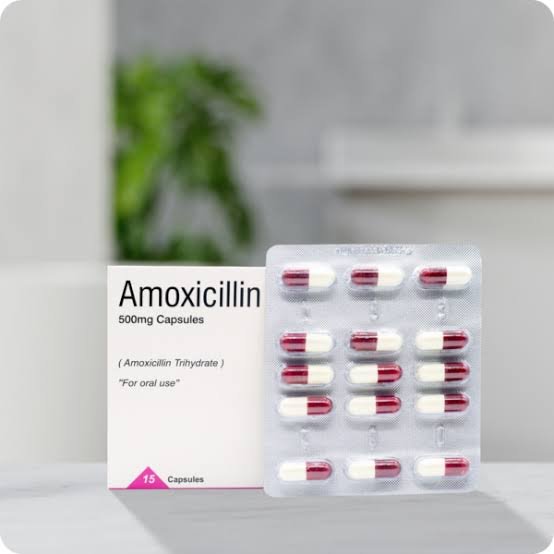
Amoxicillin Tablet Uses, Side Effects, Dosage, and Price in the USA
Article Outline
- H1: Amoxicillin Tablet Uses, Side Effects, Dosage, and Price in the USA
- H2: What Is Amoxicillin?
- H3: How Amoxicillin Works
- H2: What Are Amoxicillin Tablets Used For?
- H3: Common Bacterial Infections Treated With Amoxicillin
- H2: Amoxicillin for Dental Infections
- H2: Amoxicillin for Ear, Nose, and Throat Infections
- H2: Amoxicillin for Respiratory Infections
- H2: Amoxicillin Dosage and Strengths
- H3: How to Take Amoxicillin Safely
- H2: Common Side Effects of Amoxicillin
- H2: Serious Side Effects and Allergic Reactions
- H3: When to Seek Emergency Medical Help
- H2: Amoxicillin Drug Interactions and Precautions
- H2: Amoxicillin Price in the USA
- H3: How to Reduce the Cost of Amoxicillin
- H2: Amoxicillin vs. Amoxicillin-Clavulanate
- H2: Can You Take Amoxicillin for a Cold or Flu?
- H2: Amoxicillin for Children and Older Adults
- H2: Frequently Asked Questions About Amoxicillin
- H2: Conclusion
- H2: What Is Amoxicillin?
Amoxicillin Tablet Uses, Side Effects, Dosage, and Price in the USA
Amoxicillin is one of the most commonly prescribed penicillin-type antibiotics in the United States and is available in several oral forms, including tablets, capsules, chewable tablets, and oral suspension. Doctors use it to treat certain infections caused by susceptible bacteria, rather than illnesses caused by viruses. The U.S. prescribing information identifies amoxicillin as an antibacterial medicine, and current DailyMed information lists diarrhea, rash, vomiting, and nausea among the most common adverse reactions reported with amoxicillin.
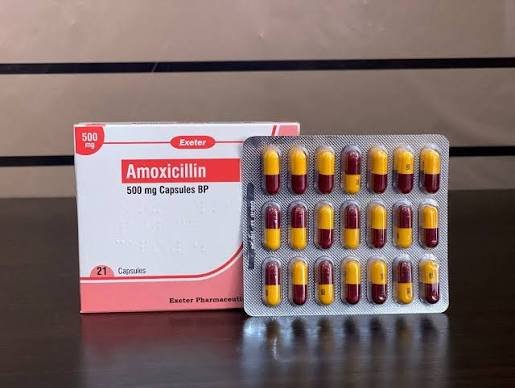
People often search for amoxicillin tablet uses, side effects, dosage, and price in the USA because the medicine is familiar but its proper use is not always understood. An antibiotic can be extremely useful when the diagnosis is appropriate, but taking it for the wrong illness can expose you to unnecessary side effects and contribute to antibiotic resistance. Amoxicillin is also a prescription medication in the United States, so the correct strength and treatment duration should be determined by a qualified healthcare professional rather than selected solely from information found online. The price can vary according to strength, quantity, pharmacy, insurance status, location, and discount programs, so a quoted cash price should be treated as an estimate rather than a universal price.
Medical disclaimer: This article is for general educational information and is not a substitute for diagnosis or treatment from a doctor, dentist, pharmacist, or other qualified healthcare professional. Do not start, stop, or change an antibiotic prescription without professional advice.
What Is Amoxicillin?
Amoxicillin belongs to the aminopenicillin family of antibiotics. Its job is to interfere with bacterial cell-wall formation, which can prevent susceptible bacteria from growing and surviving. That makes the medicine useful for particular bacterial infections, but it does not make amoxicillin a universal treatment for every infection or fever. The FDA labeling for AMOXIL describes amoxicillin as a penicillin-class antibacterial indicated for infections caused by susceptible strains of bacteria.
Think of bacteria as tiny structures surrounded by protective walls. Amoxicillin interferes with the construction of those walls, making the bacteria vulnerable. The important word here is susceptible because not every bacterium responds to amoxicillin. Resistance can occur, and some organisms produce enzymes that can reduce the antibiotic’s effectiveness. This is one reason healthcare professionals may choose a different antibiotic, perform testing, or decide that an antibiotic is unnecessary.
Amoxicillin is available in different strengths and formulations. Depending on the prescription, a patient may receive an oral tablet, capsule, chewable tablet, or liquid suspension. The exact formulation matters, particularly for children and people who have difficulty swallowing tablets. Because these products can contain different strengths, patients should check the prescription label carefully instead of assuming that one tablet is interchangeable with another.
How Amoxicillin Works
Amoxicillin works by targeting processes bacteria need to maintain their protective cell walls. When susceptible bacteria cannot properly maintain those walls, the antibiotic can stop their growth and contribute to their destruction. This mechanism is different from medicines that simply relieve symptoms, such as pain relievers or fever reducers. Amoxicillin is intended to address a bacterial cause, not simply make someone feel temporarily better.
This distinction is especially important when someone has a sore throat, cough, runny nose, or fever. Many common respiratory illnesses are viral, and antibiotics do not treat viruses. Taking amoxicillin when it is not medically indicated does not speed recovery from a viral infection and may still expose the person to adverse effects. Responsible antibiotic use therefore starts with determining whether a bacterial infection is actually present or strongly suspected.

What Are Amoxicillin Tablets Used For?
Amoxicillin tablets may be prescribed for a variety of bacterial infections when the responsible organism is susceptible to the medicine. Depending on the clinical situation, amoxicillin can be used for certain infections involving the ears, nose, throat, respiratory tract, urinary tract, skin, and other parts of the body. It is also used in specific treatment regimens for Helicobacter pylori (H. pylori) infection, usually in combination with other medicines rather than as a standalone treatment. Current prescribing information provides different regimens depending on the condition being treated.
One important point is that the same-looking symptom can have several causes. For example, a painful throat may be caused by a virus, bacteria, irritation, allergies, or another condition. Similarly, sinus symptoms do not automatically mean that an antibiotic is required. A healthcare professional considers the patient’s symptoms, medical history, examination findings, and sometimes laboratory testing before deciding whether amoxicillin is appropriate.
Amoxicillin should therefore be viewed as a targeted tool rather than a general-purpose medicine. If a doctor prescribes it, the patient should follow the prescription instructions carefully. If the medication does not appear to be helping, or symptoms become worse, the appropriate response is to contact the prescriber rather than automatically increasing the dose or switching to another antibiotic.
Common Bacterial Infections Treated With Amoxicillin
Depending on the bacteria involved and the clinical diagnosis, amoxicillin may be used for conditions such as certain ear infections, throat infections, respiratory infections, dental infections, and urinary tract infections. It can also be incorporated into treatment plans for H. pylori-associated gastrointestinal disease. The specific approved or recommended use depends on the formulation, patient characteristics, bacterial susceptibility, and current prescribing information.
| Condition or situation | Can amoxicillin be used? | Important point |
|---|---|---|
| Certain bacterial ear infections | Yes | Requires appropriate diagnosis |
| Certain bacterial throat infections | Yes | Viral sore throats do not benefit |
| Some bacterial respiratory infections | Yes | The cause must be considered |
| Some dental infections | Yes | Dentist/doctor should determine need |
| Certain urinary infections | Sometimes | Choice depends on bacteria and susceptibility |
| H. pylori infection | Yes, in combination therapy | Usually combined with other medicines |
| Common cold | No | Colds are generally viral |
| Influenza | No | Flu is caused by a virus |
| COVID-19 | No | Amoxicillin does not treat the virus |

The table illustrates why the word bacterial is so important. Antibiotics are not simply stronger versions of cold or pain medicine. If a condition is viral, taking amoxicillin is unlikely to provide the desired benefit and may create unnecessary risk.
Amoxicillin for Dental Infections
Dentists may prescribe amoxicillin for certain dental infections when bacterial infection is present and an antibiotic is clinically appropriate. A toothache by itself, however, does not automatically mean that amoxicillin is the correct treatment. Dental pain can result from cavities, pulp inflammation, an abscess, trauma, gum disease, or other problems that may require dental procedures rather than antibiotics alone.
This is an important distinction because an antibiotic may reduce bacterial infection while the underlying dental problem remains. Imagine putting out smoke while leaving the source of a fire untouched. The symptoms might temporarily improve, but the original problem can continue. A dentist may therefore recommend drainage, cleaning, root canal treatment, extraction, or another procedure depending on the cause, with antibiotics used when indicated.
If amoxicillin is prescribed for a dental infection, take it exactly as directed. Do not share leftover antibiotics with another person who has tooth pain, and do not use an old prescription simply because it appeared to work previously. The appropriate antibiotic, dose, and duration can differ between patients and infections.
Amoxicillin for Ear, Nose, and Throat Infections
Amoxicillin can be used for some bacterial infections affecting the ear, nose, and throat, but not every sore throat, earache, or sinus symptom requires an antibiotic. Healthcare professionals distinguish bacterial infections from viral illnesses and other causes before recommending treatment. This matters because respiratory symptoms are extremely common, while bacterial infections represent only a portion of cases.
A patient may wonder why a doctor does not prescribe amoxicillin after hearing that someone else received it for similar symptoms. The answer is that two people with nearly identical symptoms can have completely different causes. One person’s illness may be bacterial and respond to amoxicillin, while another person’s may be viral and improve naturally with supportive care. Antibiotic selection also depends on allergies, previous treatment, local resistance patterns, age, kidney function, and other medical considerations.
Patients should also avoid assuming that a higher dose will make an infection disappear faster. More medicine does not necessarily mean better treatment. An inappropriate dose can increase adverse effects without improving the outcome.
Amoxicillin for Respiratory Infections
Amoxicillin is sometimes prescribed for certain bacterial respiratory infections, including selected cases involving the lungs or upper respiratory tract. However, many coughs, colds, bronchitis episodes, and flu-like illnesses are viral. Antibiotics should not be used simply because a cough is severe or has lasted several days.
This is particularly relevant because people sometimes associate yellow or green mucus with a bacterial infection. Mucus color alone does not establish that an antibiotic is required. A clinician may look at the entire clinical picture, including duration of symptoms, fever, breathing difficulty, chest findings, and other factors.
If breathing becomes difficult, chest pain develops, confusion occurs, or a person appears seriously unwell, the issue is no longer simply whether to take amoxicillin. Those symptoms require prompt medical assessment. An antibiotic should never be used as a substitute for evaluating potentially serious respiratory disease.
Amoxicillin Dosage and Strengths
Amoxicillin comes in multiple strengths and formulations, and the correct dosage depends on the infection, age, body weight, kidney function, formulation, and other factors. Current labeling includes different adult and pediatric dosing regimens rather than one universal dose. For example, DailyMed information describes adult dosing divided at intervals such as every 8 or 12 hours for particular uses, while pediatric dosing may be calculated according to body weight.
For that reason, it would be unsafe to provide a single “standard amoxicillin tablet dose” and suggest that everyone follow it. A prescription might involve 250 mg, 500 mg, 875 mg, or another formulation depending on the diagnosis. A child may receive a liquid suspension with a weight-based calculation instead of an adult tablet. Patients with impaired kidney function may also require special consideration.
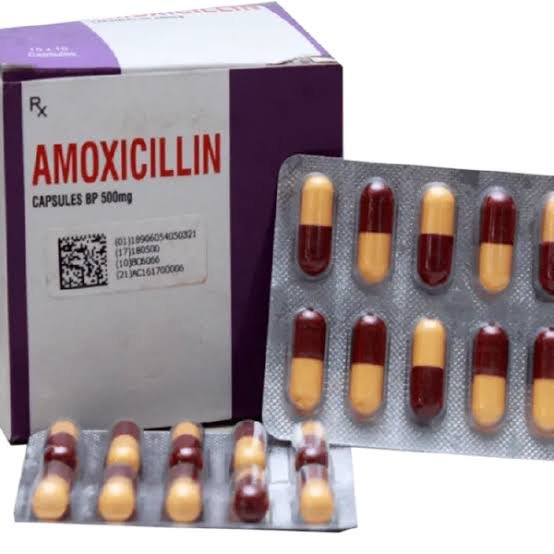
How to Take Amoxicillin Safely
Take amoxicillin exactly according to the prescription label. If you are unsure whether to take a dose with food, how frequently to take it, or what to do after a missed dose, ask a pharmacist or prescriber rather than guessing. Do not double the next dose unless a healthcare professional specifically instructs you to do so.
Finish the prescribed course according to your clinician’s instructions, unless the clinician tells you to stop or a significant adverse reaction occurs. If you develop signs of a serious allergic reaction, you should seek urgent medical attention rather than continuing the medicine simply to complete the course.
Never use someone else’s amoxicillin, even if the symptoms look similar. Antibiotics are selected for specific clinical situations, and using the wrong medicine can delay appropriate treatment.
Common Side Effects of Amoxicillin
Like other medicines, amoxicillin can cause side effects. According to current DailyMed labeling, the most common adverse reactions reported in clinical trials of amoxicillin capsules include diarrhea, rash, vomiting, and nausea.
Mild gastrointestinal symptoms can occur because antibiotics affect bacteria in the digestive system as well as their intended targets. Some people experience loose stools, nausea, or stomach discomfort while taking the medication. These symptoms do not necessarily mean that a dangerous reaction is occurring, but they should be monitored.
A rash deserves special attention because not every rash has the same meaning. A mild rash can have different causes, while a rapidly spreading rash, blistering, skin peeling, mouth sores, facial swelling, or breathing difficulty can signal a serious reaction. Current labeling warns about severe cutaneous adverse reactions associated with amoxicillin.
Serious Side Effects and Allergic Reactions
A serious allergic reaction to amoxicillin can be life-threatening. Amoxicillin is a penicillin-class medicine, and the prescribing information warns that anaphylactic reactions can occur and have occasionally been fatal. People with a previous serious allergy to penicillin or related medicines need particular caution and should tell their healthcare professional about that history before taking amoxicillin.
Serious warning signs can include swelling of the face, lips, tongue, or throat; difficulty breathing; severe dizziness; fainting; widespread hives; or rapidly worsening symptoms. Severe skin reactions can also involve blistering, peeling, or sores affecting the mouth, eyes, or other mucous membranes. These are not ordinary side effects to monitor casually at home.
When to Seek Emergency Medical Help
Seek urgent medical attention if you develop symptoms suggesting anaphylaxis or a severe skin reaction after taking amoxicillin. Do not wait to see whether the symptoms disappear if breathing is impaired or swelling is progressing. Serious reactions can worsen quickly.
Severe or persistent diarrhea also deserves medical attention, particularly if it is accompanied by abdominal pain, fever, blood, or dehydration. Antibiotic-associated diarrhea can sometimes be caused by Clostridioides difficile, which requires appropriate medical evaluation.
Current labeling also describes rare but serious reactions beyond the common gastrointestinal effects, including severe cutaneous adverse reactions and drug-induced enterocolitis syndrome.
Amoxicillin Drug Interactions and Precautions
Before taking amoxicillin, tell your healthcare professional about your prescription medicines, over-the-counter products, supplements, allergies, and important medical conditions. A history of penicillin allergy is particularly relevant. Kidney problems may also affect dosing decisions, so patients with known kidney disease should make sure their prescriber is aware of it.
Do not assume that a medicine is safe simply because it is commonly prescribed. Medication safety depends on the individual. Pregnancy, breastfeeding, kidney function, previous antibiotic reactions, and other medicines can influence treatment decisions.
It is also important to distinguish amoxicillin from amoxicillin-clavulanate. The latter combines amoxicillin with clavulanate and has different prescribing considerations, indications, and adverse-effect patterns. It should not be substituted for plain amoxicillin unless a healthcare professional recommends it.
Amoxicillin Price in the USA
The price of amoxicillin in the United States can be relatively low compared with many brand-name prescription medicines, but the exact amount depends on the strength, dosage form, quantity, pharmacy, location, insurance, and discount program. A current Drugs.com price guide lists 500 mg amoxicillin oral tablets from about $9.08 for 30 tablets and 875 mg tablets from about $7.49 for 20 tablets as cash-price estimates. The same guide lists a 500 mg capsule from about $7.02 for 30 capsules.
These numbers should not be interpreted as a guaranteed nationwide pharmacy price. Prices can change, and the amount paid at the pharmacy may differ depending on insurance coverage, pharmacy contracts, coupons, and local availability. The pricing source itself warns that prices can vary significantly and recommends checking directly with the pharmacy for the most accurate current price.
| Amoxicillin form | Example strength | Example listed cash price |
| Oral tablet | 500 mg, 30 tablets | From about $9.08 |
| Oral tablet | 875 mg, 20 tablets | From about $7.49 |
| Oral capsule | 500 mg, 30 capsules | From about $7.02 |
| Oral capsule | 250 mg, 30 capsules | From about $6.15 |
*Prices are examples from a current online price guide and can change by pharmacy, location, insurance, quantity, and discount program. *
How to Reduce the Cost of Amoxicillin
If you have a prescription but are concerned about cost, ask the pharmacy for the cash price and insurance price and compare them where appropriate. Generic amoxicillin is commonly available, and prescription discount services may provide additional savings. GoodRx explains that it lists pharmacy prices and coupons but is not itself a pharmacy and does not fill prescriptions.
You can also ask the pharmacist whether a generic formulation is available and whether your prescription is eligible for a discount. Do not change the prescribed strength or quantity simply to save money, because the treatment needs to match the medical condition.
Cash prices can fluctuate, and discount coupons may change. GoodRx advises users to obtain an updated coupon before refilling because prices can change over time.
Amoxicillin vs. Amoxicillin-Clavulanate
Although their names are similar, amoxicillin and amoxicillin-clavulanate are not identical medicines. Amoxicillin-clavulanate adds clavulanate, which can inhibit certain bacterial enzymes that would otherwise interfere with amoxicillin. This combination can therefore cover some infections where plain amoxicillin would not be effective.
The combination also has its own dosing and adverse-effect considerations. Current DailyMed information lists formulations such as 500 mg/125 mg and 875 mg/125 mg tablets, with dosing schedules determined according to the infection and patient factors.
Patients should not decide between the two medicines based simply on which one seems “stronger.” A broader antibiotic is not automatically a better antibiotic. The best choice is the narrowest appropriate treatment for the suspected or confirmed bacterial infection, based on professional medical judgment.
Can You Take Amoxicillin for a Cold or Flu?
No. Amoxicillin does not treat viral illnesses such as the common cold or influenza. It is an antibacterial medicine, meaning its purpose is to act against susceptible bacteria. Taking it for a viral infection will not make the virus disappear and can expose you to unnecessary side effects.
This is one of the most important facts to remember when searching for “amoxicillin tablet uses.” A medicine can be excellent for one condition and completely inappropriate for another. If someone has a cold, supportive treatment and monitoring may be more appropriate unless a healthcare professional identifies a bacterial complication.
Antibiotic stewardship is essentially about using the right tool for the right job. Using antibiotics unnecessarily is like using a key that does not fit the lock: it does not solve the problem, and repeated misuse can create additional complications.
Amoxicillin for Children and Older Adults
Children can receive amoxicillin when a healthcare professional determines that it is appropriate, but pediatric dosing is often based on body weight and the specific infection. Current labeling includes pediatric dosing expressed in milligrams per kilogram per day for certain age groups, demonstrating why a child should not simply receive a portion of an adult tablet without professional instructions.
Liquid amoxicillin may be easier for children who cannot swallow tablets. Parents and caregivers should use the measuring device supplied or recommended by the pharmacist rather than a household kitchen spoon. The prescribed concentration also matters because different suspensions can contain different amounts of amoxicillin per milliliter.
Older adults may also need individualized treatment, particularly when kidney function is reduced or when multiple medicines are being taken. Age itself does not automatically make amoxicillin unsafe, but it can increase the importance of reviewing the patient’s overall medication and health profile.
Frequently Asked Questions About Amoxicillin
1. What is amoxicillin tablet used for?
Amoxicillin tablets are used to treat certain bacterial infections caused by susceptible organisms. Depending on the clinical situation, these may include selected infections involving the ears, throat, respiratory tract, urinary tract, skin, and other areas. It is also used with other medicines in some H. pylori treatment regimens.
2. What are the most common side effects of amoxicillin?
The most commonly reported adverse reactions include diarrhea, rash, vomiting, and nausea. Mild symptoms may occur, but severe diarrhea, extensive rash, breathing difficulty, facial swelling, or other serious symptoms require medical attention.
3. How much does amoxicillin cost in the USA?
Current online price information shows that generic amoxicillin can be inexpensive, with one current price guide listing 500 mg tablets from about $9.08 for 30 tablets and 875 mg tablets from about $7.49 for 20 tablets. Actual prices vary by pharmacy, location, quantity, insurance, and discount program.
4. Can I take amoxicillin for a cold?
Amoxicillin should not be used to treat an ordinary viral cold. Antibiotics work against susceptible bacteria, not viruses. If symptoms are severe, persistent, or suggest a bacterial complication, a healthcare professional should determine whether antibiotic treatment is appropriate.
5. Can I stop amoxicillin when I feel better?
Follow the instructions provided by your prescriber. Do not independently change the duration or dose simply because symptoms improve. If you develop a serious reaction or have concerns about continuing treatment, contact your healthcare professional promptly for specific instructions.
Conclusion
Amoxicillin remains an important prescription antibiotic for treating certain bacterial infections, but its benefits depend on using it for the right condition, at the right strength, and according to professional instructions. Common side effects include diarrhea, nausea, vomiting, and rash, while rare but serious allergic and skin reactions require urgent attention.
For people searching for the amoxicillin tablet price in the USA, current cash-price guides show that generic versions can be relatively inexpensive, although actual pharmacy prices vary. A current price guide lists examples such as about $9.08 for 30 500-mg tablets and about $7.49 for 20 875-mg tablets, but these figures are not guaranteed prices.
The safest approach is simple: use amoxicillin only when it has been prescribed or recommended for your particular bacterial infection, follow the label carefully, disclose allergies and other medicines to your healthcare professional, and seek urgent care for signs of a severe allergic reaction. Antibiotics can be powerful allies when used correctly, but they should never be treated as ordinary over-the-counter remedies.