Kivexa Tablet Uses, Side Effects, and Price in the USA and UK
Article Outline / Table of Contents
- H1: Kivexa Tablet Uses, Side Effects, and Price in the USA and UK
- H2: What Is Kivexa Tablet?
- H3: Active Ingredients and Strength
- H2: Kivexa Tablet Uses
- H3: How Kivexa Works Against HIV
- H4: Who Can Take Kivexa?
- H2: Kivexa Dosage and How to Take It
- H2: Kivexa Side Effects
- H3: Common Side Effects
- H3: Serious Side Effects and Warning Signs
- H2: Kivexa Price in the USA and UK
- H3: Kivexa vs Abacavir/Lamivudine Prices
- H2: Important Precautions, Interactions, and Contraindications
- H2: Frequently Asked Questions About Kivexa
- H2: Conclusion
- H2: What Is Kivexa Tablet?
What Is Kivexa Tablet?
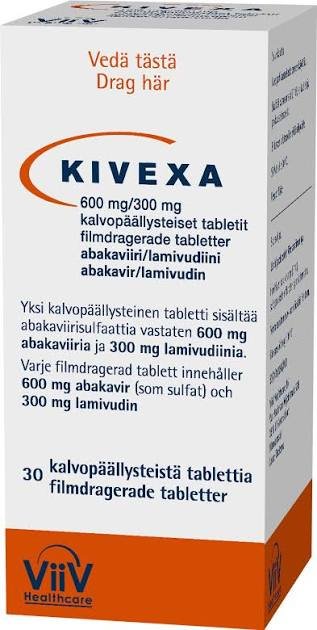
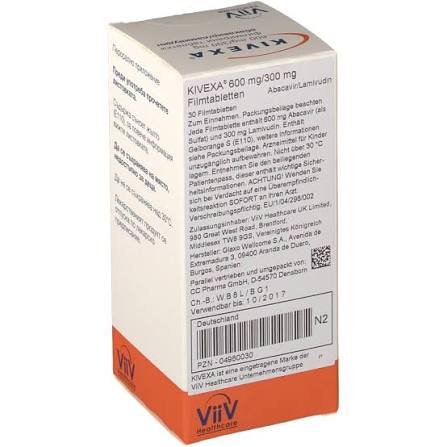
Kivexa is a prescription antiretroviral medicine used as part of combination treatment for HIV infection. It contains two active ingredients, abacavir and lamivudine, which belong to the nucleoside reverse transcriptase inhibitor (NRTI) class. Each Kivexa tablet contains 600 mg of abacavir and 300 mg of lamivudine, and official European information states that it is used with at least one other antiviral medicine to treat adults and children weighing at least 25 kg who have HIV. Kivexa does not eliminate HIV from the body, but effective antiretroviral treatment can reduce the amount of virus in the blood and help protect the immune system.
One of the biggest advantages of Kivexa is that it combines two medicines into a single tablet. Instead of taking separate abacavir and lamivudine tablets, an appropriate patient may take the fixed-dose combination once daily as prescribed by an HIV specialist. The UK Summary of Product Characteristics confirms the 600 mg/300 mg formulation and recommends one tablet once daily for adults, adolescents, and children weighing at least 25 kg.
Kivexa is not a medicine for ordinary infections, flu, or general weakness, and it should not be taken simply because someone has symptoms that they believe could be related to HIV. HIV treatment requires testing, medical assessment, laboratory monitoring, and an individualized antiretroviral regimen. Kivexa is also a prescription-only medicine, so people should obtain it through an appropriate healthcare professional rather than buying an unknown product from an unverified online seller.
Active Ingredients and Strength
The two active ingredients in Kivexa are abacavir sulfate, providing 600 mg of abacavir, and lamivudine 300 mg. Both medicines interfere with HIV’s ability to make copies of itself by inhibiting reverse transcriptase, an enzyme HIV needs during viral replication. The combination therefore attacks HIV replication through two NRTI components rather than relying on a single active substance.
Kivexa tablets are generally described as orange, film-coated, capsule-shaped tablets marked with “GS FC2.” The standard UK pack contains 30 tablets, with multipacks also available.
| Kivexa information | Details |
|---|---|
| Active ingredients | Abacavir + lamivudine |
| Strength | 600 mg/300 mg |
| Drug class | Nucleoside reverse transcriptase inhibitors |
| Main use | Combination treatment for HIV |
| Standard adult dose | One tablet once daily when prescribed |
| Prescription status | Prescription only |
| Common pack | 30 tablets |
| Manufacturer/marketing holder | ViiV Healthcare in UK/EU information |
Kivexa Tablet Uses
The primary Kivexa tablet use is the treatment of HIV infection as part of antiretroviral combination therapy. The European Medicines Agency states that Kivexa is indicated for adults and children weighing at least 25 kg, while UK prescribing information gives the same core indication.
The purpose of HIV treatment is not simply to make a person feel better for a few days. The broader goal is to suppress HIV replication, maintain or improve immune function, and reduce the risk of HIV-related illness. Kivexa contributes two NRTI medicines to an overall HIV treatment regimen, and it is normally prescribed alongside at least one additional antiretroviral medicine according to the patient’s clinical circumstances.
People should understand an important distinction: Kivexa controls HIV but does not cure HIV. The EMA explains that the medicine reduces HIV in the blood and helps keep the virus at a low level, but it does not completely eradicate the infection. This means treatment should be continued exactly as directed by the treating clinician, even when a person feels healthy or has no obvious symptoms.
How Kivexa Works Against HIV
To understand how Kivexa works, imagine HIV as a copying machine that needs certain biological tools to reproduce. One of those tools is reverse transcriptase, an enzyme HIV uses to convert its genetic material in a way that allows viral replication. Abacavir and lamivudine are designed to interfere with this process, making it harder for HIV to produce new copies of itself.
When Kivexa is used correctly as part of an effective antiretroviral regimen, the amount of HIV in the bloodstream can fall substantially. As viral replication becomes suppressed, the immune system can be better protected from ongoing damage. The actual response varies between individuals, which is why clinicians monitor viral load, CD4 measurements, treatment adherence, other medicines, and relevant laboratory tests rather than judging effectiveness solely by symptoms.
Clinical evidence reviewed by the EMA found that once-daily abacavir combined with lamivudine could effectively reduce viral load when used with other antiretroviral medicines. In one study, 66% of participants receiving once-daily abacavir with lamivudine and other antivirals had viral loads below 50 copies/mL at 48 weeks, compared with 68% among those receiving twice-daily abacavir in the study.
Who Can Take Kivexa?
Kivexa may be prescribed to adults, adolescents, and children weighing at least 25 kg, depending on the treatment plan and local prescribing information. It is not suitable for children below the specified weight because the fixed-dose tablet cannot be adjusted into the individual doses that may be required.
A particularly important safety step concerns HLA-B*5701 testing. Before starting abacavir-containing treatment, patients should be screened for this genetic marker because people who carry HLA-B*5701 have a significantly increased risk of a potentially serious hypersensitivity reaction to abacavir. Official European and UK information says abacavir should not be used in patients known to carry this allele.
Kivexa may also be unsuitable when a patient requires individual dose adjustments. Because the tablet contains fixed quantities of both medicines, separating the components may be necessary when one drug needs a different dose or needs to be stopped. This is particularly important when kidney function affects lamivudine dosing. A clinician should decide whether the fixed combination remains appropriate.
Kivexa Dosage and How to Take It
For adults, adolescents, and children who meet the appropriate weight requirement, the recommended Kivexa dose in UK prescribing information is generally one tablet once daily. However, the correct regimen depends on the complete HIV treatment plan, and patients should follow their own prescription rather than using a dosage copied from an internet article.
Kivexa can generally be taken with or without food. Taking it at approximately the same time each day can make adherence easier because it turns the medication into a consistent part of a daily routine. Missing doses repeatedly can compromise treatment effectiveness and may contribute to treatment failure or resistance, so patients who struggle with adherence should discuss the problem with their HIV care team rather than silently stopping treatment.
If a dose is missed, patients should follow the instructions supplied with their medicine or ask their doctor or pharmacist what to do. It is not advisable to compensate for a missed dose by taking extra tablets unless a healthcare professional specifically instructs you to do so. If vomiting, persistent illness, or another issue makes it difficult to keep medicines down, medical advice may be needed.
Another important point is that Kivexa is a fixed-dose combination. The UK product information states that patients requiring dose adjustments should use the individual components rather than attempting to modify the fixed combination.
Kivexa Side Effects
Like all prescription medicines, Kivexa can cause side effects, although not everybody experiences them. Some reactions can be relatively mild, while others can be medically urgent. Because Kivexa contains abacavir, patients must pay particular attention to symptoms that could indicate a hypersensitivity reaction, which can become life-threatening if abacavir-containing medicines are continued after such a reaction develops.
The most important safety message is not to ignore unusual symptoms after starting Kivexa. The official patient information emphasizes the serious nature of abacavir hypersensitivity. If a patient develops symptoms that their doctor has identified as possible hypersensitivity signs, they should seek urgent medical advice and follow the instructions provided with their treatment.
Common Side Effects
Reported adverse effects associated with abacavir/lamivudine treatment can include symptoms such as headache, nausea, vomiting, diarrhea, tiredness, fever, and gastrointestinal discomfort. However, the exact frequency and severity can vary, and some symptoms may also result from HIV itself, another medicine, or another health condition.
Rather than assuming that every headache or stomach problem is caused by Kivexa, patients should consider the timing, severity, and other symptoms and discuss persistent or concerning reactions with their healthcare provider. This is particularly important during the early stages of treatment, when a clinician may want to determine whether symptoms represent an ordinary side effect or something requiring urgent assessment.
Serious Side Effects and Warning Signs
The most important serious reaction associated with abacavir is hypersensitivity. The official patient leaflet warns that some people taking abacavir can develop a serious allergic reaction that may be life-threatening if they continue taking abacavir-containing products.
Possible warning signs can involve several parts of the body and may include fever, skin rash, nausea, vomiting, diarrhea or abdominal discomfort, unusual tiredness, shortness of breath, cough, sore throat, or other systemic symptoms. The combination of symptoms is especially important. A patient should not wait for the reaction to become severe before contacting their healthcare professional.
If a clinician determines that a person has experienced abacavir hypersensitivity, that person must not restart Kivexa or another abacavir-containing medicine unless specifically directed under appropriate specialist circumstances. Re-exposure after a true hypersensitivity reaction can produce a much more severe response.
Other serious problems can occur with antiretroviral treatment and may require medical monitoring. Patients should tell their healthcare provider about new symptoms rather than assuming that continuing treatment without assessment is always safest. The official Kivexa information is the appropriate reference for the complete adverse-effect profile.
Kivexa Price in the USA and UK
The Kivexa price can vary considerably depending on the country, pharmacy, insurance arrangements, formulation, manufacturer, and whether a patient is purchasing a branded or generic equivalent. This makes it difficult to give one universal price that every patient will pay.
There is an additional issue in the United States: Kivexa is marketed internationally as the abacavir/lamivudine combination, while the U.S. product has historically been known as Epzicom. Current U.S. HIV treatment information says branded Epzicom products are discontinued, so U.S. patients should not assume that a current American pharmacy will stock branded Kivexa or Epzicom.
For reference, a current Drugs.com price guide lists approximately $1,270 for 30 tablets of branded Epzicom 600 mg/300 mg, with actual cash prices varying by pharmacy. The same source notes that generic abacavir/lamivudine is available, although U.S. availability and pricing can change.
| Location / product | Approximate reported price | Important note |
|---|---|---|
| USA – branded Epzicom reference | Around $1,270 / 30 tablets | Cash-price reference; insurance may differ |
| USA – generic abacavir/lamivudine | Prices can be dramatically lower | Availability varies |
| UK – Kivexa / abacavir-lamivudine tariff reference | Around £352.25 / 30 tablets in the cited 2025 tariff | NHS reimbursement/tariff figure, not necessarily a patient’s out-of-pocket price |
| UK private purchase | Varies by pharmacy and supply route | Check current pharmacy price |
The UK situation is particularly interesting because the NHS Drug Tariff lists abacavir 600 mg/lamivudine 300 mg, 30 tablets with Kivexa as the reference product at £352.25 in the January 2025 tariff. Community Pharmacy England reported that the reference price increased from £190 to £352.25.
That figure should not be interpreted as the amount every UK patient personally pays. NHS prescription charges, exemptions, hospital supply arrangements, and specialist HIV treatment pathways are different from a simple private retail purchase. Patients receiving HIV care through the NHS should ask their specialist clinic or pharmacy about their actual supply arrangements.
Kivexa vs Abacavir/Lamivudine Prices
One of the biggest differences in price can come from the distinction between brand-name medicine and generic abacavir/lamivudine. A U.S. price source currently reports a much lower price for generic abacavir/lamivudine than for branded Epzicom, illustrating how large the difference can be.
A March 2026 global HIV procurement catalog also lists an estimated procurement price of $6.60 for 30 tablets of abacavir/lamivudine 600/300 mg, but this is a specialized procurement estimate rather than a normal U.S. retail pharmacy price. It should therefore not be used to predict what an individual patient will pay at an American pharmacy.
The key lesson is simple: do not judge the cost of HIV treatment by one internet listing. Insurance, assistance programs, government procurement, specialist clinics, and generic availability can all produce completely different prices.
Important Precautions, Interactions, and Contraindications
Before taking Kivexa, tell your healthcare professional about all medicines, supplements, and medical conditions. This includes prescription medicines, over-the-counter products, herbal supplements, and previous reactions to HIV medicines. Your clinician needs a complete picture because drug interactions and kidney or liver problems can affect treatment decisions.
The HLA-B*5701 test is one of the most important precautions before starting abacavir. Patients who test positive should not take abacavir because of the increased risk of hypersensitivity. The EMA specifically recommends screening before abacavir treatment regardless of racial background.
Kidney function also matters because lamivudine may require dose consideration in people with impaired renal function. Since Kivexa contains a fixed amount of lamivudine, the combination may not be suitable for someone who needs an individualized dose. The UK product information advises using the individual components when dose adjustment is required.
Patients should also tell their clinician if they have liver disease, kidney disease, heart or cardiovascular risk factors, or a previous reaction to abacavir. The clinician can then decide whether Kivexa is appropriate and whether another HIV regimen would offer a better balance of benefits and risks.
Another critical rule is to avoid stopping HIV treatment casually. If someone stops Kivexa because of side effects, cost, difficulty obtaining the medicine, or another problem, they should contact their HIV treatment team. An alternative regimen may be available, but stopping medicines without professional guidance can create treatment complications.
Frequently Asked Questions About Kivexa
1. What is Kivexa tablet used for?
Kivexa is used as part of combination antiretroviral treatment for HIV infection. It contains abacavir 600 mg and lamivudine 300 mg and is normally used with at least one other HIV medicine.
2. Can Kivexa cure HIV?
No. Kivexa does not cure HIV. It helps suppress HIV replication when used as part of an effective antiretroviral regimen, reducing the amount of virus in the blood and helping protect immune function.
3. What are the most serious Kivexa side effects?
The most important serious risk is abacavir hypersensitivity, which can be life-threatening. Symptoms may involve fever, rash, gastrointestinal symptoms, respiratory symptoms, and severe tiredness, so suspected reactions require urgent medical attention.
4. How much does Kivexa cost in the USA?
Kivexa itself is not the usual U.S. brand name; abacavir/lamivudine has been marketed in the United States as Epzicom. Current U.S. information reports that branded Epzicom products are discontinued, while a Drugs.com price guide lists approximately $1,270 for 30 branded tablets as a historical/current price reference and notes generic availability.
5. How much does Kivexa cost in the UK?
The UK Drug Tariff listed abacavir 600 mg/lamivudine 300 mg, 30 tablets at £352.25 in the January 2025 tariff, with Kivexa as the reference product. This is a reimbursement/tariff figure rather than a universal private retail price or necessarily the amount an NHS patient pays personally.
Conclusion
Kivexa tablet is a prescription HIV medicine containing abacavir 600 mg and lamivudine 300 mg. Its main role is to provide two NRTI medicines within combination antiretroviral therapy, helping suppress HIV replication and protect the immune system. The standard adult regimen described in UK prescribing information is one tablet once daily for appropriate patients, but treatment should always be selected and monitored by a qualified HIV clinician.
The safety profile deserves serious attention, especially because of the potentially life-threatening abacavir hypersensitivity reaction. HLA-B*5701 screening before starting abacavir is an important safety measure, and anyone who develops concerning symptoms after starting treatment should seek medical advice promptly.
Kivexa pricing also varies substantially between countries and purchasing systems. In the USA, branded Epzicom has been discontinued according to current U.S. HIV information, while generic abacavir/lamivudine may be available. In the UK, the cited NHS tariff provides a reference price but does not necessarily represent an individual’s out-of-pocket cost.
Important: This article is for general educational information and is not a substitute for medical advice. Kivexa is a prescription HIV medicine and should only be started, stopped, or changed under the guidance of a qualified healthcare professional.