
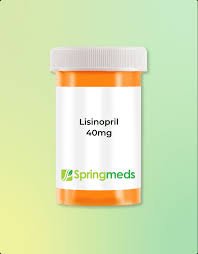
Lisinopril Uses, Side Effects, and Price in the USA (2026 Guide)
Lisinopril is one of the most commonly prescribed medications in the United States for treating high blood pressure (hypertension) and several heart-related conditions. As a generic ACE (Angiotensin-Converting Enzyme) inhibitor, it has remained a first-line treatment because it is effective, widely available, and affordable. It works by relaxing blood vessels, allowing blood to flow more easily, which reduces blood pressure and decreases the workload on the heart
What Is Lisinopril?
Lisinopril is a prescription medication belonging to the ACE inhibitor class of drugs. It lowers blood pressure by blocking the enzyme responsible for producing angiotensin II, a substance that causes blood vessels to narrow. When blood vessels remain relaxed and open, blood flows more freely, helping reduce blood pressure and improving heart function. This mechanism also reduces strain on the kidneys and heart, making the medication valuable for patients with diabetes, heart failure, or previous heart attacks.
Doctors have prescribed lisinopril for decades because of its strong safety profile and proven effectiveness in reducing cardiovascular complications when used appropriately. It is available only with a prescription and comes as tablets and an oral solution.
How Lisinopril Works
Instead of simply lowering blood pressure temporarily, lisinopril targets the body’s renin-angiotensin-aldosterone system (RAAS). By blocking ACE, it decreases the formation of angiotensin II, reducing blood vessel constriction and lowering blood pressure throughout the day.
Medical Uses of Lisinopril
High Blood Pressure (Hypertension)
The primary use of lisinopril is treating hypertension. Lowering blood pressure helps reduce the risk of stroke, kidney disease, heart attack, and heart failure. Many patients take one tablet daily, and blood pressure often begins improving within hours, although the full effect develops over several weeks of consistent use.
Heart Failure
Lisinopril improves heart function by reducing the workload placed on the heart. Patients with chronic heart failure often experience improved symptoms and fewer hospitalizations when lisinopril is combined with other recommended heart medications.
Recovery After a Heart Attack
Doctors frequently prescribe lisinopril after a heart attack because it improves survival and reduces the chance of future heart damage. Starting therapy early after a heart attack can improve long-term outcomes in appropriate patients.
Recommended Dosages
| Condition | Typical Starting Dose | Maximum Dose |
|---|---|---|
| High blood pressure | 10 mg daily | 40 mg daily |
| Heart failure | 5 mg daily | 40 mg daily |
| After heart attack | 5 mg initially | As directed by physician |
Dosage depends on age, kidney function, blood pressure response, and other medications. Never adjust your dose without medical advice.
Common Side Effects
Like all medications, lisinopril may cause side effects. Many people experience no significant problems, while others notice mild symptoms that improve as the body adjusts.
Mild Side Effects
Common side effects include:
- Dry cough
- Dizziness
- Headache
- Fatigue
- Low blood pressure
- Mild rash
A persistent dry cough is one of the best-known side effects of ACE inhibitors and may require switching to another medication if it becomes bothersome.
Serious Side Effects
Although uncommon, serious reactions require immediate medical attention:
- Swelling of the face, lips, tongue, or throat (angioedema)
- Severe allergic reaction
- High potassium levels
- Kidney problems
- Difficulty breathing
- Fainting due to very low blood pressure
Seek emergency care if swelling affects breathing or swallowing.
Warnings and Precautions
Pregnancy Warning
Lisinopril carries a boxed warning because it can seriously harm or even cause the death of an unborn baby. Women who become pregnant while taking lisinopril should contact their healthcare provider immediately.
Kidney Disease
Patients with kidney disease require careful monitoring. Blood tests are commonly performed to monitor kidney function and potassium levels during treatment.
Drug Interactions
Lisinopril may interact with several medications, including:
- Potassium supplements
- Potassium-sparing diuretics
- NSAIDs (such as ibuprofen)
- Lithium
- Certain diabetes medications
- Other blood pressure medicines
Always inform your healthcare provider about all prescription drugs, over-the-counter medicines, and supplements you take.
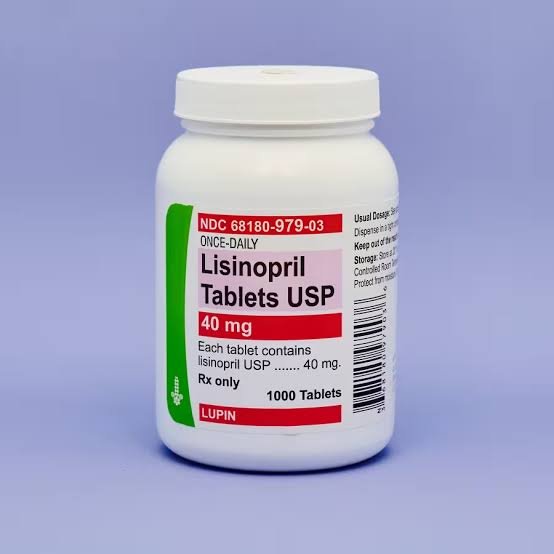
Lisinopril Price in the USA (2026)
One reason lisinopril remains widely prescribed is its affordability as a generic medication.
Average Generic Prices
| Strength | Quantity | Approximate Discount Price |
|---|---|---|
| 5 mg | 90 tablets | $6.91 |
| 10 mg | 90 tablets | $6.20 |
| 20 mg | 30 tablets | Around $2.00 |
| 40 mg | 90 tablets | $11.69 |
Prices vary depending on the pharmacy, insurance coverage, and available discount programs.
Brand vs Generic
| Type | Estimated Cost |
|---|---|
| Generic Lisinopril | Usually $2–15 with coupons |
| Brand (Prinivil/Zestril) | Significantly higher |
Most healthcare providers prescribe the generic version because it offers the same active ingredient at a much lower cost.
Ways to Save Money
Patients in the United States can reduce prescription costs by:
- Using pharmacy discount cards
- Comparing prices at different pharmacies
- Filling a 90-day prescription when appropriate
- Checking insurance formulary coverage
- Asking the pharmacist about generic alternatives
Tips for Taking Lisinopril
For the best results:
- Take it at the same time every day.
- Continue taking it even if you feel well.
- Monitor your blood pressure regularly.
- Stay hydrated, especially in hot weather.
- Avoid potassium supplements unless prescribed.
- Keep follow-up appointments for blood tests and blood pressure checks.
Lifestyle changes such as maintaining a healthy weight, reducing sodium intake, exercising regularly, limiting alcohol, and quitting smoking can enhance the benefits of lisinopril.
Conclusion
Lisinopril remains one of the most effective and affordable medications for treating high blood pressure, heart failure, and recovery after heart attacks in the United States. Its long history of successful use, strong evidence base, and low generic cost make it a preferred option for millions of patients. While most people tolerate the medication well, side effects such as a persistent dry cough or dizziness can occur, and rare but serious reactions like angioedema require immediate medical attention. Because the medication can affect kidney function and potassium levels, regular monitoring is important. Patients should always follow their healthcare provider’s instructions and never stop taking lisinopril without medical advice.
Frequently Asked Questions
1. What is lisinopril mainly used for?
Lisinopril is primarily used to treat high blood pressure, heart failure, and to improve survival after a heart attack.
2. What is the most common side effect of lisinopril?
A persistent dry cough is one of the most common side effects, along with dizziness and headache.
3. Is lisinopril safe during pregnancy?
No. Lisinopril should not be used during pregnancy because it can seriously harm the developing baby.
4. How much does generic lisinopril cost in the USA?
With pharmacy discount programs, generic lisinopril may cost as little as $2 to $15, depending on the strength and quantity.
5. Can I stop taking lisinopril once my blood pressure improves?
No. You should only stop or change the medication under the guidance of your healthcare provider, as stopping suddenly may cause your blood pressure to rise again.