Vicodin Uses, Side Effects, and Price in the USA & UK (2026 Guide)
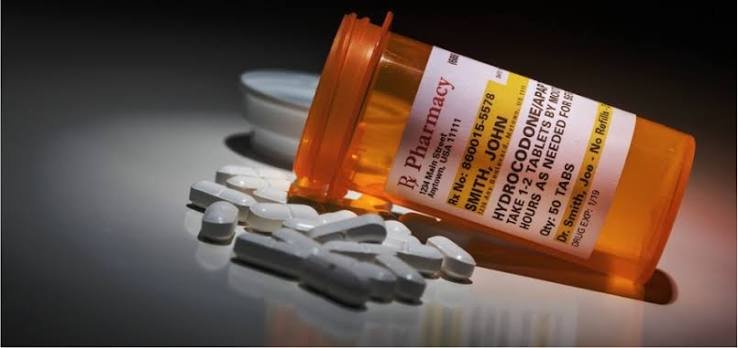
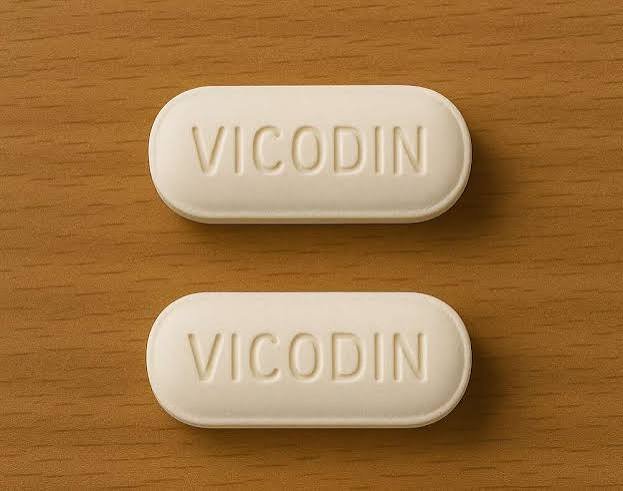
Vicodin is a well-known prescription pain medication that combines hydrocodone (an opioid pain reliever) and acetaminophen (paracetamol). It has long been prescribed for the treatment of moderate to moderately severe pain. Although the original Vicodin brand has been discontinued in the United States, generic hydrocodone/acetaminophen products remain available by prescription. In the UK, Vicodin is rarely prescribed, and healthcare providers usually choose alternative opioid pain medications.
Because Vicodin contains an opioid, it carries significant risks, including dependence, addiction, overdose, and serious breathing problems. For this reason, doctors prescribe it only when other pain treatments are not suitable or have failed to provide adequate relief. Patients should always take it exactly as prescribed and never share it with anyone else.
What Is Vicodin?
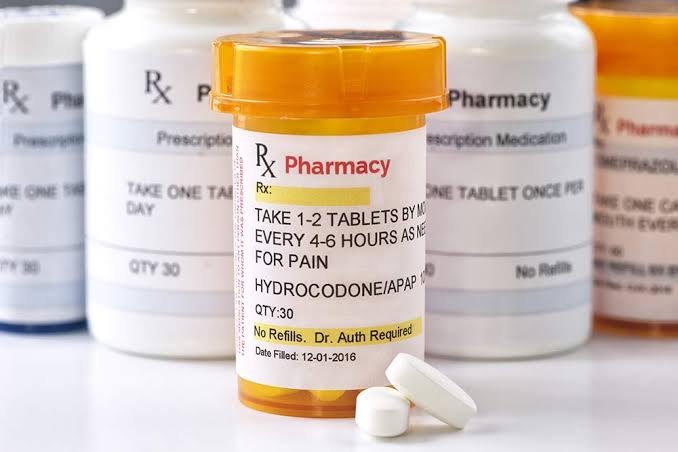
Vicodin is a combination medicine containing:
| Ingredient | Purpose |
|---|---|
| Hydrocodone | Opioid pain reliever |
| Acetaminophen (Paracetamol) | Enhances pain relief and reduces fever |
Hydrocodone works by changing how the brain and nervous system respond to pain, while acetaminophen helps reduce pain through a different mechanism. Together, they provide stronger pain relief than acetaminophen alone.
Vicodin Uses
Doctors may prescribe Vicodin for:
- Moderate to severe pain
- Pain following surgery
- Dental pain
- Bone fractures
- Back pain
- Injury-related pain
- Certain chronic pain conditions when alternative medications are ineffective
Current prescribing guidelines recommend using opioid medications like Vicodin for the shortest possible duration because prolonged use increases the risk of addiction and dependence.
How Vicodin Works
Hydrocodone binds to opioid receptors in the brain and spinal cord, reducing pain signals sent throughout the body.
Acetaminophen increases the overall pain-relieving effect while also lowering fever.
The medication usually begins working within 30 to 60 minutes, with pain relief lasting approximately 4 to 6 hours, depending on the individual.
Common Side Effects
Many patients experience mild side effects that improve as the body adjusts.
Common side effects include:
- Drowsiness
- Dizziness
- Constipation
- Dry mouth
- Nausea
- Vomiting
- Blurred vision
- Headache
Patients should avoid driving or operating machinery until they know how the medication affects them.
Serious Side Effects
Seek emergency medical care immediately if any of the following occur:
- Difficulty breathing
- Slow or stopped breathing
- Blue lips or fingernails
- Severe allergic reaction
- Swelling of the face or throat
- Severe skin rash
- Yellowing of the skin or eyes
- Confusion
- Seizures
- Extreme drowsiness
Because Vicodin contains acetaminophen, taking too much can cause life-threatening liver damage.
Risk of Addiction
Vicodin is classified as a Schedule II controlled substance in the United States because of its high potential for abuse.
Long-term use may lead to:
- Physical dependence
- Addiction
- Withdrawal symptoms
- Drug misuse
- Overdose
Withdrawal symptoms may include:
- Anxiety
- Muscle pain
- Sweating
- Insomnia
- Runny nose
- Nausea
Never stop taking Vicodin suddenly without consulting your healthcare provider.
Who Should Not Take Vicodin?
Vicodin may not be suitable for people with:
- Severe asthma
- Serious breathing disorders
- Liver disease
- History of opioid addiction
- Alcohol dependence
- Allergy to hydrocodone or acetaminophen
Pregnant women should only use it if the benefits outweigh the risks, as prolonged opioid use during pregnancy can affect the baby.
Drug Interactions
Vicodin can interact with many medications.
Examples include:
- Sleeping pills
- Benzodiazepines
- Alcohol
- Muscle relaxants
- Other opioid medications
- MAO inhibitors
- Some antidepressants
Combining Vicodin with alcohol greatly increases the risk of fatal breathing problems.
Vicodin Dosage
Dosage varies depending on:
- Age
- Medical condition
- Pain severity
- Previous opioid exposure
Only a healthcare professional should determine the appropriate dosage.
Patients should never:
- Double doses
- Crush extended-release products
- Take more tablets than prescribed
Vicodin Price in the USA (2026)
The original Vicodin brand has been discontinued, but generic hydrocodone/acetaminophen remains widely available.
Approximate cash prices:
| Product | Approximate Price |
|---|---|
| Vicodin 5 mg/300 mg (100 tablets) | Around $142 |
| Generic hydrocodone/acetaminophen (using discount coupons) | As low as $8–$35 depending on strength, quantity, pharmacy, and discounts |
Actual prices vary based on insurance coverage, pharmacy, location, and available discount programs.
Vicodin Price in the UK
Vicodin itself is rarely prescribed in the UK and is generally unavailable as a routine branded medicine.
Instead, doctors commonly prescribe alternatives such as:
- Co-codamol
- Morphine
- Tramadol
- Oxycodone (when appropriate)
Because Vicodin is generally not marketed in the UK, there is no standard retail price for the branded product.
Storage Instructions
Store Vicodin:
- At room temperature
- Away from moisture
- Away from children
- In a secure location to prevent misuse
Unused tablets should be disposed of according to local medicine disposal recommendations.
Warnings
Patients should remember:
- Never exceed the prescribed dose.
- Avoid alcohol.
- Never combine with other medicines containing acetaminophen.
- Keep naloxone available if recommended by your healthcare provider.
- Never share prescription opioids.
Alternatives to Vicodin
Doctors may recommend:
- Acetaminophen
- Ibuprofen
- Naproxen
- Physical therapy
- Local anesthetic injections
- Nerve blocks
- Other opioid medications (only when medically appropriate)
The best treatment depends on the underlying cause of pain.
Conclusion
Vicodin has been an effective prescription medication for managing moderate to severe pain, but it also carries serious risks because it contains the opioid hydrocodone. The original brand is no longer marketed in the United States, although generic hydrocodone/acetaminophen products remain available with a prescription. In the United Kingdom, Vicodin is rarely used, and healthcare providers generally prescribe alternative pain medicines instead. Anyone prescribed Vicodin should follow their doctor’s instructions carefully, avoid alcohol, watch for signs of serious side effects, and never exceed the recommended dosage. Safe use and proper medical supervision are essential to minimize the risks of addiction, overdose, and liver injury.
Frequently Asked Questions (FAQs)
1. Is Vicodin still available in the USA?
The original brand has been discontinued, but generic hydrocodone/acetaminophen products remain available by prescription.
2. Can Vicodin be purchased over the counter?
No. It is a prescription-only controlled medication.
3. How much does Vicodin cost in the USA?
Prices vary, with branded pricing historically around $142 for 100 tablets, while discounted generic versions may cost significantly less depending on pharmacy and insurance.
4. Is Vicodin available in the UK?
It is rarely prescribed in the UK, where other opioid pain medicines are generally used instead.
5. Is Vicodin addictive?
Yes. Because it contains hydrocodone, Vicodin has a high potential for dependence, misuse, and addiction, even when used as prescribed.