
Schizophrenia Medicine: Names, Uses, Side Effects, and Prices in the USA & UK
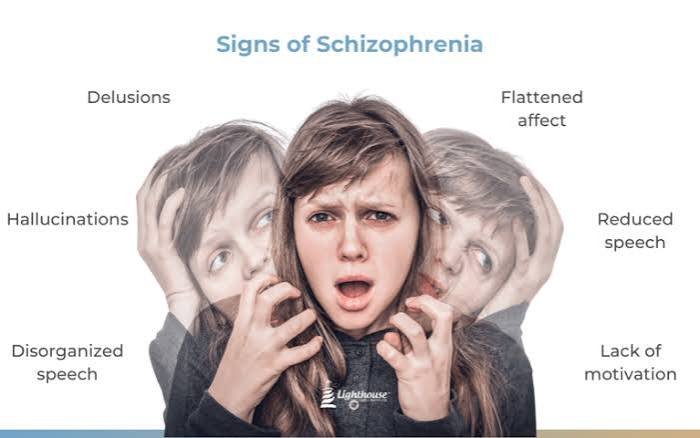
Schizophrenia is one of those mental health conditions that people often misunderstand, yet it affects millions of lives worldwide in very real and personal ways. If you or someone close to you is dealing with it, you already know—it’s not just about “hearing voices” or “losing touch with reality.” It’s about navigating daily life while managing symptoms like hallucinations, delusions, disorganized thinking, and emotional withdrawal. That’s where schizophrenia medications come in, playing a critical role in helping individuals regain stability and improve their quality of life.
Let’s break it all down together in a simple, human way—no complicated jargon—just clear, helpful insights about medicine names, uses, side effects, and pricing in the USA and UK.
What Are Schizophrenia Medications?
When we talk about medications for schizophrenia, we’re mostly referring to antipsychotic drugs. These medicines work by affecting brain chemicals like dopamine and serotonin, which are believed to play a major role in schizophrenia symptoms.
Think of your brain like a radio. In schizophrenia, the signal gets distorted—too loud in some places, too quiet in others. Antipsychotics help “tune” that signal so thoughts and perceptions become clearer and more manageable.
There are two main categories:
- First-generation (typical) antipsychotics
- Second-generation (atypical) antipsychotics
The newer, second-generation medications are more commonly used today because they tend to have fewer severe side effects, although they still come with their own challenges.
Common Schizophrenia Medicine Names
Let’s talk about the most widely prescribed medications. These are commonly used in both the USA and UK:
Second-Generation (Atypical) Antipsychotics
These are usually the first choice for doctors today.
- Risperidone (Risperdal)
- Olanzapine (Zyprexa)
- Quetiapine (Seroquel)
- Aripiprazole (Abilify)
- Clozapine (Clozaril)
- Ziprasidone (Geodon)
- Lurasidone (Latuda)
- Paliperidone (Invega)
Each of these works slightly differently, and what works best often depends on the individual. Sometimes it takes trial and error to find the right one—kind of like finding the right pair of shoes; what fits one person perfectly may not suit another at all.
First-Generation (Typical) Antipsychotics
These are older medications but still used in certain cases.
- Haloperidol (Haldol)
- Chlorpromazine (Thorazine)
- Fluphenazine
- Perphenazine
These can be very effective, especially for controlling severe symptoms, but they are more likely to cause movement-related side effects.
Uses of Schizophrenia Medications
So what exactly do these medications do?
At their core, they aim to:
- Reduce hallucinations and delusions
- Improve thinking and concentration
- Stabilize mood and behavior
- Prevent relapse and hospitalization
Imagine trying to function while constantly hearing voices or believing things that aren’t real. These medications help quiet that noise, making it easier to focus, work, study, and maintain relationships.
Some medications are also used for long-term maintenance, meaning they help prevent symptoms from returning. Others are used in acute episodes, when symptoms suddenly worsen.
There are even long-acting injectable (LAI) versions of some drugs, which are given every few weeks or months—perfect for people who struggle to take daily pills.
Side Effects of Schizophrenia Medicines
Let’s be honest—no medication comes without side effects, and antipsychotics are no exception. The key is finding the right balance between benefits and risks.
Common Side Effects
These are relatively common and vary depending on the medication:
- Weight gain
- Drowsiness or fatigue
- Dry mouth
- Constipation
- Dizziness
- Increased appetite
Some people might feel like they’re constantly tired or gain weight without much change in diet. It can be frustrating, but doctors often adjust doses or switch medications to manage this.
Serious Side Effects
Though less common, these require medical attention:
- Tardive dyskinesia (involuntary movements)
- Neuroleptic malignant syndrome (rare but life-threatening)
- High blood sugar or diabetes
- Increased cholesterol
- Heart rhythm issues
Clozapine, for example, is highly effective but requires regular blood tests because it can affect white blood cells. It’s like a powerful tool—you just need to use it carefully.
Emotional and Psychological Effects
Some people report feeling emotionally “flat” or less motivated. It’s almost like the medication turns down not just the bad signals, but also some of the good ones. This is something doctors try to manage by fine-tuning treatment.
Price of Schizophrenia Medicines in the USA
Healthcare costs in the United States can vary widely depending on insurance, pharmacy, and whether you’re buying brand-name or generic drugs.
Here’s a general idea:
| Medication | Generic Price (Monthly) | Brand Price (Monthly) |
|---|---|---|
| Risperidone | $10 – $50 | $300 – $500 |
| Olanzapine | $15 – $60 | $400 – $800 |
| Quetiapine | $10 – $40 | $500 – $900 |
| Aripiprazole | $15 – $70 | $700 – $1200 |
| Clozapine | $20 – $100 | $900 – $1500 |
If you have insurance, your out-of-pocket cost could be much lower. Without insurance, prices can feel overwhelming. That’s why many people rely on generic versions, which are significantly cheaper and equally effective.
There are also discount programs and pharmacy coupons that can help reduce costs.
Price of Schizophrenia Medicines in the UK
The situation in the UK is quite different thanks to the NHS (National Health Service).
Most patients pay a fixed prescription charge, which is currently around:
- £9.65 per prescription item (England)
- Free in Scotland, Wales, and Northern Ireland
This means whether your medication costs £10 or £500, you typically pay the same flat fee (if you’re not exempt).
Private prescriptions, however, can cost more:
| Medication | Private Monthly Cost |
|---|---|
| Risperidone | £10 – £40 |
| Olanzapine | £15 – £60 |
| Quetiapine | £10 – £50 |
| Aripiprazole | £20 – £80 |
| Clozapine | £30 – £100 |
So compared to the USA, medications in the UK are generally more affordable for most people.

Choosing the Right Medication
Here’s the truth—there’s no “one-size-fits-all” medication for schizophrenia. Doctors consider several factors:
- Symptom severity
- Previous medication response
- Side effect tolerance
- Lifestyle and daily routine
- Other health conditions
It’s often a journey. You might start with one medication, adjust the dose, switch to another, or combine treatments. It can feel like trial and error, but each step gets you closer to stability.
Lifestyle and Medication: A Powerful Combination
Medication alone isn’t the whole story. For best results, it’s usually combined with:
- Therapy (CBT, counseling)
- Support groups
- Healthy lifestyle habits
- Family support
Think of medication as the foundation of a house. Therapy and lifestyle changes are the walls and roof—they all work together to create a stable, safe environment.
Why Consistency Matters
One of the biggest challenges in schizophrenia treatment is staying consistent with medication.
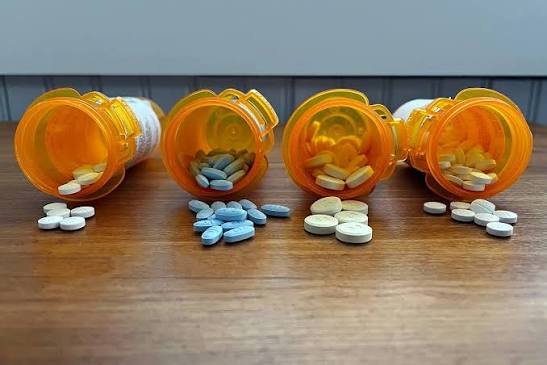
Skipping doses or stopping suddenly can lead to relapse. Symptoms can return quickly, sometimes even stronger than before.
If daily pills are hard to manage, doctors may recommend injectable medications that last weeks or months. It’s like switching from charging your phone daily to once every few weeks—much easier to maintain.
The Future of Schizophrenia Treatment
Research is constantly evolving. Scientists are exploring:
- New medications with fewer side effects
- Personalized treatments based on genetics
- Digital tools to track symptoms
- Brain stimulation therapies
The goal is simple: better results with fewer downsides.
Conclusion
Living with schizophrenia is not easy, but with the right medication, support, and care, it becomes manageable. Understanding the names, uses, side effects, and prices of these medicines helps you make informed decisions and feel more in control.
Whether you’re in the USA dealing with high medication costs or in the UK benefiting from NHS support, one thing remains the same—treatment works best when it’s consistent, personalized, and supported by a strong care system.
Remember, finding the right medication is a process, not a race. And every step forward—no matter how small—counts.
FAQs
1. What is the best medication for schizophrenia?
There is no single “best” medication. Drugs like Risperidone, Olanzapine, and Aripiprazole are commonly used, but effectiveness varies from person to person.
2. Can schizophrenia be treated without medication?
Medication is usually essential. Therapy and lifestyle changes help, but they typically cannot replace antipsychotic drugs entirely.
3. How long do you need to take schizophrenia medication?
Most people need long-term treatment, often for years or even lifelong, to prevent relapse.
4. Are generic antipsychotics as effective as brand-name ones?
Yes, generic versions are considered equally effective and are much more affordable.
5. What happens if you stop taking schizophrenia medication?
Stopping suddenly can cause symptoms to return quickly and may lead to relapse or hospitalization.