Allergy Relief: Uses, Side Effects and Prices in the USA, UK, Canada, Germany, France, Switzerland, Australia, Netherlands, Sweden, Norway, New Zealand, Ireland, Finland, Denmark and Japan
Allergies can turn an ordinary day into a frustrating cycle of sneezing, itching, watery eyes, congestion and skin irritation. Whether the trigger is pollen, dust mites, pet dander, mold, insect bites or another allergen, people around the world commonly look for allergy relief medicines that can make symptoms easier to manage. Antihistamines such as cetirizine, loratadine and fexofenadine are among the commonly used options, while nasal sprays, eye drops and other treatments may be appropriate for particular symptoms. The right choice depends on the allergy, age, medical history, other medicines being taken and the severity of symptoms. The NHS explains that antihistamines work by blocking histamine, a chemical involved in allergic reactions, and that non-drowsy antihistamines are generally preferred when daytime alertness matters.
This guide explains allergy relief uses, possible side effects, typical price considerations and availability across the USA, UK, Canada, Germany, France, Switzerland, Australia, Netherlands, Sweden, Norway, New Zealand, Ireland, Finland, Denmark and Japan. It is designed to help readers understand the differences between common allergy medicines rather than encourage self-treatment for serious reactions. Prices should always be checked locally because pharmacies can charge different amounts and product names can differ between countries. For severe symptoms involving breathing difficulty, throat swelling, fainting or other signs of anaphylaxis, ordinary allergy tablets are not a substitute for emergency treatment.
Table of Contents
- What Is Allergy Relief Medicine?
- How Antihistamines Work
- Common Uses of Allergy Relief Medicines
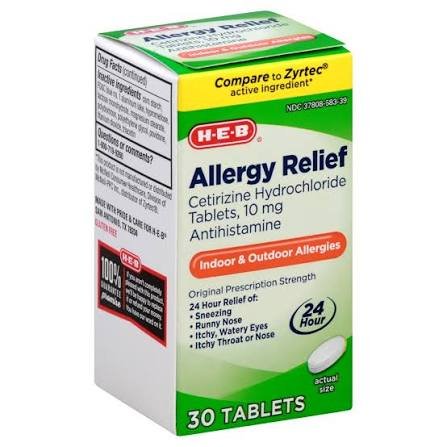
- Cetirizine for Allergy Symptoms
- Loratadine for Allergy Relief
- Fexofenadine and Other Non-Drowsy Options
- Common Side Effects
- Serious Risks and Important Warnings
- Allergy Medicine and Driving
- Allergy Relief Prices in the USA
- Allergy Relief Prices in the UK and Ireland
- Allergy Relief Prices in Canada
- Allergy Medicine Prices in Germany, France and Switzerland
- Allergy Relief Prices in Australia and New Zealand
- Allergy Relief Prices in the Netherlands and Nordic Countries
- Allergy Medicines in Japan
- How to Choose the Right Allergy Relief
- Children, Pregnancy and Older Adults
- Comparing Allergy Relief Options
- Conclusion and Frequently Asked Questions
1. What Is Allergy Relief Medicine?
Allergy relief medicine refers to treatments used to reduce or control symptoms produced by an allergic reaction. The term covers several different categories, including oral antihistamines, nasal sprays, eye drops, topical products and, for selected patients, prescription treatments or allergy immunotherapy. Antihistamines are particularly popular because they can reduce symptoms such as sneezing, runny nose, itchy eyes and hives by interfering with histamine activity. They do not necessarily remove the underlying cause of an allergy, but they can make everyday life considerably more comfortable when symptoms are mild or moderate. According to the NHS, antihistamines are used for conditions including hay fever, conjunctivitis, hives and reactions to insect bites or stings, while some are also used for nausea or motion sickness.
The two broad groups are often described as sedating and non-drowsy antihistamines. Older medicines can cause significant sleepiness, reduced coordination and slower reactions, whereas newer medicines such as cetirizine, loratadine and fexofenadine are generally less likely to cause drowsiness, although they can still affect some people. This distinction matters if you need to drive, operate machinery, study, work or remain mentally alert. No single antihistamine is universally best for everyone, and the NHS notes that people can respond differently to different products.
2. How Antihistamines Work
Histamine is a natural chemical involved in the body’s immune response. When someone with an allergy encounters a trigger such as pollen or animal dander, the immune system can respond as though a harmless substance were dangerous. Histamine then contributes to symptoms such as itching, sneezing, watery eyes, nasal congestion and skin rashes. Antihistamines block the effects of histamine, which can reduce many of these uncomfortable symptoms.
The timing of relief depends on the medicine. For example, the NHS says cetirizine generally begins improving symptoms within about an hour, while loratadine commonly starts working within one to three hours. This means allergy sufferers sometimes use an antihistamine before predictable exposure, such as during pollen season, when advised to do so. However, taking more medicine than recommended does not automatically produce better relief and can increase the chance of adverse effects. Always follow the dosage instructions on the specific product because strengths and formulations differ between countries and brands.
3. Common Uses of Allergy Relief Medicines
One of the most common uses of antihistamines is seasonal allergic rhinitis, often called hay fever. Symptoms can include repeated sneezing, an itchy or runny nose, watery eyes and irritation caused by airborne allergens. Antihistamines may also help people dealing with year-round allergic rhinitis triggered by substances such as house dust mites or animal allergens. For nasal congestion specifically, a healthcare professional may recommend a nasal spray or another treatment because an oral antihistamine may not address every symptom equally well.
Another major use is the treatment of hives, medically known as urticaria. Hives can create raised, itchy areas of skin that may appear suddenly and then move or disappear. Antihistamines can reduce the itching and histamine-related symptoms associated with many cases. Cetirizine and loratadine are both listed by the NHS among medicines used for hives, while cetirizine is also used for eczema-related symptoms, insect bites and some food-allergy symptoms.
Allergy medicines may also be used for itchy or watery eyes. In this situation, an antihistamine eye drop may provide more direct relief than a tablet, depending on the cause. The important point is that different symptoms may need different treatment approaches. If someone has persistent symptoms, repeated reactions or unexplained swelling, speaking with a pharmacist or doctor is more useful than repeatedly switching products without understanding the underlying trigger.
4. Cetirizine for Allergy Symptoms
Cetirizine is one of the best-known second-generation antihistamines and is sold under different brand names in various countries. It is used for symptoms associated with hay fever, conjunctivitis, eczema, hives, insect bites and some food allergies. The NHS describes it as a non-drowsy antihistamine, although some people can still become sleepy after taking it.
Cetirizine is often attractive because it is generally taken once daily in commonly used adult formulations. It is available in tablets and liquid preparations, with age-specific dosing for children. However, suitability depends on the individual. People with kidney failure, certain seizure conditions, difficulty urinating or particular medicine allergies may need professional advice before using it.
There is also an important recent safety consideration. The U.S. FDA has required warnings about a rare but potentially severe itching reaction after stopping long-term cetirizine or levocetirizine use. The FDA states that these medicines are used for seasonal and year-round allergies and chronic hives and notes that they are available both OTC and by prescription. That does not mean people should automatically stop using cetirizine, but long-term regular users should follow professional advice rather than changing treatment abruptly without considering their circumstances.
5. Loratadine for Allergy Relief
Loratadine is another widely used non-drowsy antihistamine. It can relieve symptoms associated with hay fever, allergic conjunctivitis, eczema, hives and reactions to insect bites or stings. It is available in tablet and liquid forms in markets where it is sold, and the NHS states that it can be obtained from pharmacies and shops as well as by prescription in the UK.
One reason loratadine is popular is its relatively low tendency to cause sleepiness compared with older sedating antihistamines. Still, “non-drowsy” should not be interpreted as “cannot cause drowsiness.” The NHS specifically advises people not to drive or cycle if loratadine makes them sleepy, and alcohol can increase sleepiness for some people.
Loratadine may be a useful option for someone who wants daytime allergy control while minimizing sedation. The best medicine, however, is personal. Some people report better symptom control with cetirizine, while others prefer loratadine or fexofenadine because they experience less tiredness. Comparing products based only on brand popularity is less useful than considering active ingredient, dose, symptoms, side effects and professional advice.
6. Fexofenadine and Other Non-Drowsy Options
Fexofenadine is another commonly recognized non-drowsy antihistamine. Other medicines in this broader category include desloratadine and levocetirizine. The NHS states that these non-drowsy antihistamines can be similarly effective for many allergy symptoms, while individual people may still find one product works better for them than another.
When comparing products, shoppers should focus on the active ingredient rather than simply the brand name. The same brand name can represent different active ingredients in different countries, and formulations can vary. This is particularly important for travelers who buy allergy medicine abroad. Checking the package for the active ingredient and strength can prevent accidental duplication or confusion.
A pharmacist can also help identify whether the symptom is best addressed with a tablet, nasal spray, eye drop or another treatment. For example, someone whose main problem is severe nasal blockage may need a treatment strategy different from someone whose primary complaint is itchy skin. Allergy treatment is not a one-size-fits-all situation.
7. Common Side Effects
Most allergy medicines are tolerated well when used appropriately, but side effects can occur. Common effects depend on the specific active ingredient. For cetirizine, the NHS lists sleepiness or tiredness, headache, dry mouth, nausea and dizziness among possible effects. Loratadine can also cause sleepiness in some people, despite being classified as a non-drowsy antihistamine.
Older sedating antihistamines can have a broader impact on alertness. The NHS notes that drowsiness, reduced coordination, slower reaction speed, blurred vision, dry mouth and difficulty urinating can occur with some sedating antihistamines. This is one reason modern non-drowsy options are frequently preferred for daytime use.
Side effects should be considered alongside the reason for taking the medicine. A mild dry mouth may be manageable for some people, while severe sleepiness could make a medicine unsuitable for someone who drives for work. If a side effect persists, becomes troublesome or appears unusual, a pharmacist or doctor can help determine whether the dose or medicine should be changed.
8. Serious Risks and Important Warnings
Although serious reactions to common antihistamines are uncommon, consumers should understand that no medicine is completely risk-free. Health Canada emphasizes that both prescription and non-prescription medicines can produce adverse reactions and that following directions and discussing medicines with healthcare professionals can reduce risk.
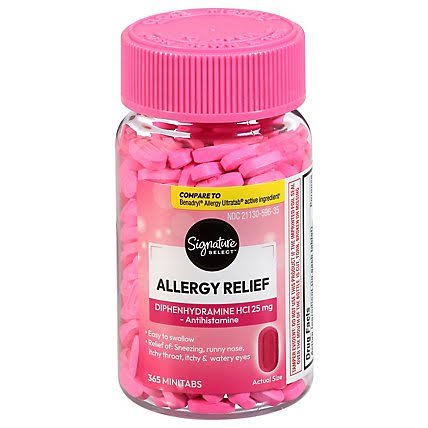
One particularly important issue is overdose. The U.S. FDA has warned that taking higher-than-recommended doses of diphenhydramine, an antihistamine found in some allergy products, can cause serious heart problems, seizures, coma and death. This is why taking extra tablets because symptoms are severe is dangerous. More medication is not necessarily more effective.
Emergency symptoms such as swelling of the lips, mouth, tongue or throat, severe breathing difficulty, fainting or signs of shock can indicate anaphylaxis, a potentially life-threatening allergic reaction. Ordinary antihistamines should not be relied upon as the sole emergency treatment for anaphylaxis. Anyone experiencing severe allergic symptoms should seek emergency medical assistance immediately and follow any personalized emergency plan provided by a healthcare professional.
9. Allergy Medicine and Driving
Driving is an important consideration that is sometimes overlooked when choosing allergy relief. Some antihistamines can make people sleepy, slow reaction times or interfere with concentration. The FDA specifically warns that antihistamine-containing medicines can affect driving and says that even some people who do not feel obviously drowsy may experience impaired focus or reaction time.
A sensible approach is to understand how a medicine affects you before driving or operating machinery. Avoid combining potentially sedating medicines with alcohol unless a healthcare professional has confirmed that the combination is appropriate. Sleep medicines and some other drugs can also increase sedation.
Non-drowsy antihistamines are generally less likely to interfere with daytime activities, but they are not guaranteed to have zero effect. If cetirizine, loratadine or another product makes you tired, dizzy or less alert, do not assume that the label’s “non-drowsy” description overrides your personal response.
10. Allergy Relief Prices in the USA
In the United States, many common allergy medicines are available over the counter. Products containing cetirizine, loratadine, fexofenadine and certain other antihistamines can be found at pharmacies, supermarkets and online retailers. Prices vary substantially according to brand, generic status, tablet count, dosage form and retailer. Generic versions are often considerably less expensive than branded products, while large economy packs can reduce the cost per dose.
A broad consumer price expectation for common generic oral antihistamines may range from roughly $5 to $25 per package, although specialty formulations, combination products and branded packs can cost more. These figures should be treated as general shopping estimates rather than guaranteed current prices. U.S. consumers should compare the active ingredient, strength and number of doses rather than choosing solely by package design.
The FDA’s data also illustrates how widely used these medicines are. For example, the agency reported that an estimated 62.7 million packages of OTC cetirizine and levocetirizine products were purchased by consumers from U.S. retail outlets in 2022, demonstrating the significant consumer use of these products.
11. Allergy Relief Prices in the UK and Ireland
In the United Kingdom, consumers can find many antihistamines through pharmacies and other retail channels, although the legal classification and availability depend on the specific medicine. Cetirizine and loratadine are examples of commonly used products, while some antihistamines may require a prescription. The NHS confirms that many antihistamines can be purchased from pharmacies and shops, while others are prescription-only.
Typical UK retail pricing for generic antihistamine tablets can often fall in the region of £2 to £10 for smaller packs, while branded, larger or specialized products may cost more. The exact price can change according to retailer and formulation. Prescription arrangements are different and should not be compared directly with ordinary OTC shelf prices.
In Ireland, allergy medicines are also available through pharmacies, but product availability, pharmacy pricing and prescription requirements can differ. A practical approach is to ask the pharmacist for the lowest-cost equivalent containing the same active ingredient when appropriate. This can be especially useful for seasonal hay fever sufferers who need treatment repeatedly.
12. Allergy Relief Prices in Canada
In Canada, common allergy medicines include antihistamines sold through pharmacies and other retail channels. Consumers may encounter cetirizine, loratadine, fexofenadine and other products depending on the province, retailer and product classification. Canadian shoppers should pay attention to the Drug Identification Number and product labeling when comparing medicines.
Generic allergy tablets may commonly cost around C$5 to C$20 per package, although larger packs, branded products, liquids, nasal sprays and specialized treatments can be more expensive. These are broad estimates rather than official national price ceilings. Pharmacy promotions and pack sizes can create substantial differences between stores.
Health Canada’s medication-safety guidance emphasizes reading directions, understanding potential risks and discussing medication use with healthcare professionals when necessary. For people taking several medicines at once, checking for interactions is particularly important because combining products can sometimes increase side effects or change how medicines work.
13. Allergy Medicine Prices in Germany, France and Switzerland
In Germany, common allergy medicines are widely encountered in pharmacies, with products containing cetirizine, loratadine and other antihistamines available depending on local regulations and product status. A rough consumer range for generic oral allergy medicines might be around €3 to €15 per package, while branded products and specialized formulations may cost more. German consumers may also encounter pharmacy-specific products and different pack sizes, so comparing cost per tablet can be more meaningful than comparing package prices alone.
In France, antihistamines are available through pharmacies, and prices depend on the active ingredient, dosage form, brand and whether the medicine is reimbursed or prescription-related. An indicative OTC-style price range might be approximately €3 to €15, but actual prices vary. Nasal sprays and eye drops can have different price structures from oral tablets.
Switzerland generally has higher consumer prices for many healthcare products than neighboring European countries, although the actual cost depends on the medicine and pharmacy. A broad estimate for common allergy tablets could be around CHF 5 to CHF 20 or more. Travelers should not assume that a medicine with the same active ingredient will have the same brand, packaging or price in all three countries.
14. Allergy Relief Prices in Australia and New Zealand
In Australia, common antihistamines can be found in pharmacies and other approved retail settings, depending on the product. Generic cetirizine, loratadine and similar medicines may cost approximately A$5 to A$20 for ordinary packs, with branded or specialized products potentially costing more. Consumers should check the active ingredient and follow Australian product labeling because not every formulation has the same age restrictions or directions.
In New Zealand, allergy medicines are also commonly purchased through pharmacies. Generic oral antihistamines may broadly fall around NZ$5 to NZ$20, but prices can vary significantly. Nasal sprays, combination products and larger packs can fall outside this range.
Seasonal allergies can make price particularly relevant because some people need treatment repeatedly during pollen-heavy periods. Buying a large pack is not automatically the best choice if a person has never used that active ingredient before. It may be more sensible to discuss the medicine with a pharmacist first and establish that it is appropriate and well tolerated.
15. Allergy Relief Prices in the Netherlands and Nordic Countries
In the Netherlands, allergy medicines can include commonly recognized antihistamine ingredients such as cetirizine and loratadine. Indicative consumer prices for generic oral products may be around €3 to €15, though pharmacy and supermarket pricing, pack size and formulation can change the final amount.
In Sweden, generic antihistamine products may broadly cost around SEK 40 to SEK 150, depending on the package and medicine. In Norway, a broad range of NOK 50 to NOK 200 may be encountered for common allergy medicines, although actual prices can differ. In Denmark and Finland, generic allergy medicines can also be relatively affordable, but local pharmacy pricing and product availability should always be checked.
The important lesson across these European markets is that currency conversion alone does not determine the true cost. Prescription systems, taxes, reimbursement rules, pharmacy margins and package sizes all influence the price a consumer sees. A product that appears expensive in one country may have a different reimbursement structure, while an apparently cheap product may contain fewer doses.
16. Allergy Medicines in Japan
In Japan, allergy treatment is especially relevant for people affected by seasonal pollen, including cedar and cypress pollen. Consumers may encounter oral antihistamines, nasal treatments and eye drops, with product names and formulations sometimes quite different from those familiar in North America or Europe. Japanese pharmacies and drugstores can offer a range of non-prescription products, while doctors can prescribe additional treatments when needed.
Typical consumer pricing for common OTC allergy products may broadly range from around ¥500 to ¥2,500, depending heavily on the product, number of doses and formulation. Some branded or combination products can cost more. Travelers should not assume that an overseas brand name corresponds exactly to a Japanese formulation.
If purchasing medicine in Japan, checking the active ingredient and dosage instructions is especially important for international visitors. Language differences can make it difficult to compare products, so pharmacists can be valuable sources of practical information. People with significant medical conditions or those taking several medicines should obtain professional advice rather than relying solely on a translated package.
17. How to Choose the Right Allergy Relief
Choosing an allergy medicine begins with identifying the symptoms that need treatment. If the main problem is sneezing and itching caused by hay fever, an oral antihistamine may be useful. If congestion dominates, a healthcare professional may recommend a nasal treatment. If itchy or watery eyes are the primary issue, an appropriate eye drop could provide more targeted relief.
The next question is whether drowsiness matters. Someone taking an allergy medicine at bedtime may tolerate a sedating medicine differently from a driver, pilot, student or machine operator who needs to remain alert during the day. The NHS recommends non-drowsy antihistamines for many people because they are less likely to cause sleepiness, but it also emphasizes that individuals respond differently.
Price is another factor, but it should come after safety and suitability. Generic medicines can provide substantial savings without changing the active ingredient, but the product must still be appropriate for the person using it. If you are uncertain, asking a pharmacist to compare an expensive brand with a lower-cost equivalent can be one of the easiest ways to reduce spending.
18. Children, Pregnancy and Older Adults
Special care is needed when selecting allergy medicines for children. Age restrictions and dosing can vary by active ingredient and formulation. For example, the NHS states that certain cetirizine preparations can be used in young children under specific circumstances, while other forms have different age requirements. Parents should therefore use the exact product instructions rather than assuming that an adult tablet can simply be divided.
Pregnancy and breastfeeding also require careful consideration. The NHS notes that loratadine is usually recommended when an antihistamine is needed during pregnancy, while loratadine or cetirizine are usually considered compatible with breastfeeding, but individual circumstances still matter. People should discuss medicine choices with a healthcare professional rather than relying on general internet advice.
Older adults can also be more vulnerable to medication-related problems, particularly with sedating medicines. Existing medical conditions, other prescriptions and the risk of dizziness or falls should be considered. Anyone with kidney, liver, heart or neurological conditions should ask a healthcare professional whether a particular allergy medicine is suitable.
19. Comparing Allergy Relief Options
| Allergy Relief Option | Common Uses | Drowsiness Potential | Approximate Price Range* |
|---|---|---|---|
| Cetirizine tablets | Hay fever, hives, itchy eyes, insect reactions | Low to moderate | US$5–25 |
| Loratadine tablets | Hay fever, hives, allergic symptoms | Low | US$5–25 |
| Fexofenadine | Seasonal/perennial allergies, hives | Low | US$8–30 |
| Sedating antihistamines | Allergies, itching and selected other uses | Higher | US$5–20 |
| Antihistamine eye drops | Itchy/watery allergic eyes | Usually low | US$7–25 |
| Allergy nasal sprays | Nasal allergy symptoms | Usually low, product-dependent | US$10–30 |
*Prices are broad illustrative consumer ranges and are not guaranteed current retail prices. Local pricing, brand, pack size, prescription status and pharmacy policies can change the final cost.
The NHS states that cetirizine, loratadine and fexofenadine are among the non-drowsy antihistamines and that no single antihistamine has been established as universally better for allergy relief. Cetirizine can still cause sleepiness, and the NHS notes that it appears more likely to cause this effect than loratadine, desloratadine or fexofenadine. This is a useful reminder that comparing side-effect profiles can be just as important as comparing prices.
20. Conclusion
Allergy relief is not simply about finding the cheapest tablet on the pharmacy shelf. The most useful treatment depends on the type of allergy, the symptoms involved, the person’s age and health, other medicines being used and how strongly the individual reacts to side effects. Cetirizine, loratadine and fexofenadine are common non-drowsy antihistamine options, while other treatments may be better suited to nasal congestion, eye symptoms or particular skin problems. Official medical guidance confirms that antihistamines can be effective for several allergic conditions but can still cause side effects such as drowsiness, headache, dry mouth, nausea or dizziness.
Prices vary substantially across the USA, UK, Canada, Germany, France, Switzerland, Australia, Netherlands, Sweden, Norway, New Zealand, Ireland, Finland, Denmark and Japan. Generic medicines are frequently cheaper than branded versions, but local regulations and pharmacy pricing mean that there is no single worldwide price. Before purchasing, compare the active ingredient, strength, number of doses and intended use, rather than judging a medicine by its brand name alone.
Most importantly, do not treat serious allergic reactions as ordinary hay fever. Severe breathing problems, throat or tongue swelling, fainting or other signs of anaphylaxis require urgent medical attention. For everyday allergy symptoms, a pharmacist or doctor can help identify an appropriate medicine and advise on safe use, especially for children, pregnancy, older adults and people taking multiple medicines.
Frequently Asked Questions
1. What is the most common type of allergy relief?
Antihistamines are among the most commonly used medicines for allergy symptoms. Cetirizine, loratadine and fexofenadine are examples of non-drowsy antihistamines used for conditions such as hay fever, allergic rhinitis and hives. The best choice depends on the person’s symptoms and response to the medicine.
2. Does cetirizine make you sleepy?
It can. Although cetirizine is classified as a non-drowsy antihistamine, the NHS says sleepiness and tiredness are common, occurring in more than 1 in 10 people. If it makes you sleepy, avoid driving or operating machinery and ask a pharmacist about alternatives.
3. Is loratadine completely non-drowsy?
No medicine should be assumed to have zero risk of drowsiness for every person. Loratadine is considered a non-drowsy antihistamine and is less likely to cause sleepiness than many older antihistamines, but some people still become sleepy after taking it.
4. Can allergy medicine be used every day?
Some antihistamines can be used regularly when appropriate, but the correct duration depends on the medicine and the individual’s condition. Long-term cetirizine or levocetirizine users should be aware of the FDA warning concerning rare severe itching after stopping long-term use. If you need an allergy medicine every day for a prolonged period, discuss the treatment with a healthcare professional.
5. Are allergy medicines cheaper as generic products?
Often, generic versions cost less than branded versions, but the difference varies by country and retailer. When comparing products, check that the active ingredient and strength are appropriate rather than assuming that every product with a similar brand name is identical. A pharmacist can help identify a lower-cost equivalent when one is available.