
Furosemide Tablet Uses, Side Effects and Price in USA, UK, Canada, Germany, France, Switzerland, Australia, Netherlands, Sweden, Norway, New Zealand, Ireland, Finland, Denmark and Japan
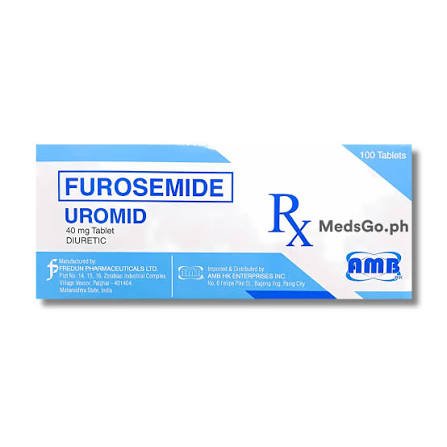
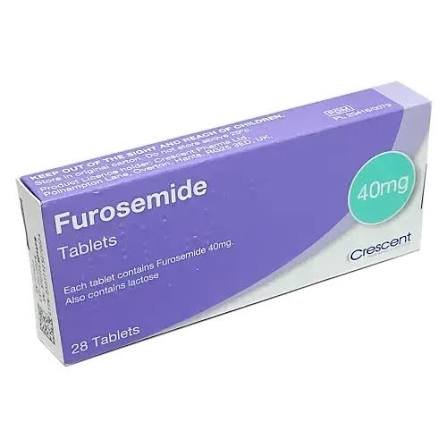
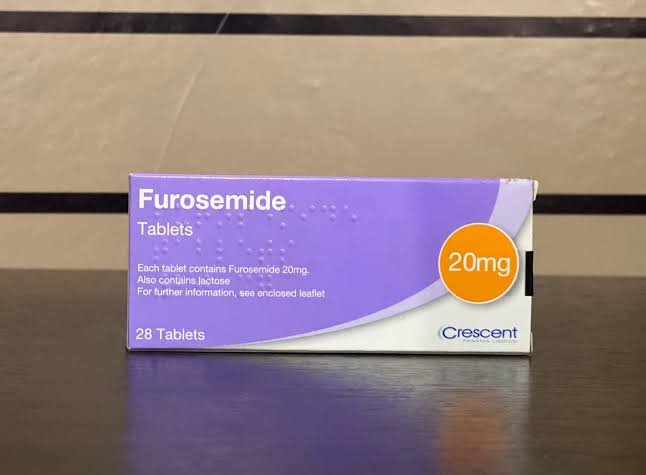
Furosemide is a widely used diuretic medicine, commonly called a “water tablet,” that helps the kidneys remove excess salt and water from the body. Doctors frequently prescribe it when fluid builds up because of conditions affecting the heart, kidneys, or liver, and it can also be used in some patients with high blood pressure. Because furosemide increases urine production, many people notice that they need to urinate more frequently after taking a dose. The medicine is available in different strengths and formulations, with 20 mg and 40 mg tablets among commonly used oral strengths. However, the appropriate dose depends on the patient’s condition, kidney function, age, other medicines, and response to treatment, so furosemide should be taken only according to a healthcare professional’s instructions.
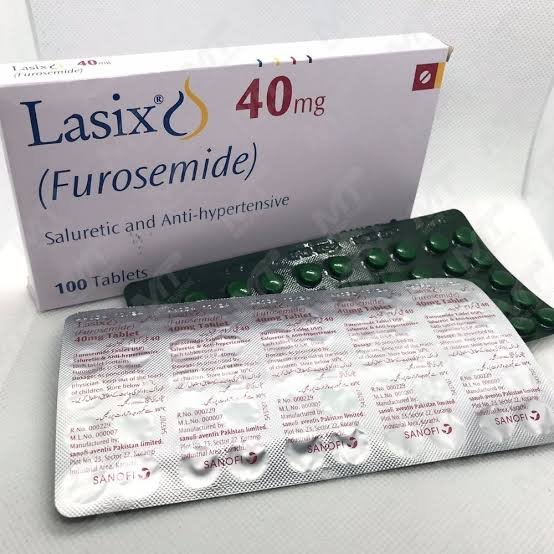
The price of furosemide can be surprisingly different from one country to another. Generic furosemide is generally inexpensive, but the amount a patient actually pays depends on the strength, pack size, pharmacy, prescription system, insurance, government subsidy, and whether a branded product is used. For example, current U.S. pricing information from GoodRx shows generic furosemide available at prices as low as about $4, although actual prices vary by pharmacy and prescription details. In Germany, current online pharmacy listings show generic 40 mg furosemide products with listed prices around €14.73 for 100 tablets, while branded Lasix 40 mg may cost considerably more. In Australia, current Chemist Warehouse listings show 100-tablet generic 20 mg products around A$8.99–A$10.99, with PBS and concession arrangements potentially affecting what eligible patients pay.
Table of Contents
- What Is Furosemide?
- How Furosemide Works
- Furosemide Tablet Uses
- Furosemide for Swelling and Fluid Retention
- Furosemide for Heart Failure
- Furosemide for Kidney and Liver Conditions
- Furosemide for High Blood Pressure
- Common Furosemide Side Effects
- Serious Side Effects and Warning Signs
- Furosemide and Dehydration
- Furosemide and Electrolyte Changes
- Drug Interactions
- Who Should Be Careful With Furosemide?
- How to Take Furosemide Tablets
- Furosemide Price in Different Countries
- Furosemide Price Comparison Table
- Frequently Asked Questions
- Conclusion
What Is Furosemide?
Furosemide belongs to a group of medicines called loop diuretics. Its main action is to encourage the kidneys to remove more sodium and water through urine. Think of it as helping the body’s drainage system open wider when too much fluid has accumulated. This effect can reduce swelling in the legs, ankles, feet, or other tissues and can also reduce the amount of fluid that makes breathing difficult in some people with heart failure. NHS hospital guidance describes furosemide as a loop diuretic or “water tablet” that helps remove extra water and salt from the bloodstream.
Furosemide does not simply work like an ordinary medicine for pain or fever. Its effect is closely connected to the body’s fluid and electrolyte balance, which means the treatment needs to be individualized. Doctors may monitor blood pressure, sodium, potassium, creatinine, and kidney function, especially when treatment starts or the dose changes. NHS Specialist Pharmacy Service guidance recommends baseline blood pressure, electrolytes, and serum creatinine before treatment and repeat monitoring after starting or changing the dose.
How Does Furosemide Work?
Furosemide acts primarily on a part of the kidney called the loop of Henle. It reduces the kidney’s reabsorption of sodium and chloride, which causes more water to remain in the urine and leave the body. The result is increased urination and a reduction in excess fluid. This is why someone taking furosemide may suddenly find that the bathroom becomes their most frequent destination for several hours after taking the medicine.
This action can be extremely useful when the body is retaining too much fluid. However, removing too much water or salt can also cause problems. Excessive fluid loss may lead to dehydration, low blood pressure, or changes in electrolytes such as potassium and sodium. For that reason, increasing or decreasing the dose without medical advice is not a good idea. Monitoring becomes particularly important for older adults and people with kidney problems or other medical conditions.
Furosemide Tablet Uses
One of the most important furosemide tablet uses is treating edema, or swelling caused by excess fluid. Edema can occur in people with heart failure, kidney disease, liver disease, or certain other conditions. By increasing urine production, furosemide helps the body get rid of some of the extra fluid responsible for swelling. Patients may notice less ankle swelling, easier breathing, or a reduction in rapid fluid-related weight gain after treatment begins.
Furosemide can also be prescribed for high blood pressure, although the choice of blood-pressure medicine depends on the individual patient. Some product information lists arterial hypertension among the conditions for which furosemide may be used. The medicine’s role is not simply to make someone urinate more; its effects on sodium and fluid balance can influence blood volume and therefore blood pressure. Doctors decide whether it is appropriate based on the patient’s overall cardiovascular and kidney health.
Furosemide for Swelling and Fluid Retention
Fluid retention can make shoes feel tight, cause swollen ankles, and produce a heavy or uncomfortable feeling in the legs. When fluid accumulates because the heart, kidneys, or liver cannot manage fluid balance properly, a diuretic such as furosemide may be prescribed. NHS information explains that people with kidney disease can develop swelling because the kidneys become less effective at removing fluid, and diuretics such as furosemide may be used to reduce this excess fluid.
The response can vary considerably from person to person. Some people may experience a noticeable increase in urine within a relatively short period, while others may need dose adjustments before the desired fluid balance is achieved. Healthcare professionals may monitor body weight, ankle swelling, blood pressure, kidney function, and electrolyte levels. These measurements help determine whether the medicine is removing the right amount of fluid rather than too much or too little.
Furosemide for Heart Failure
Furosemide is frequently used to control fluid overload associated with heart failure. When the heart is unable to pump efficiently enough, fluid can accumulate in the legs and other tissues and may contribute to breathlessness. A loop diuretic can help remove some of this excess fluid, making symptoms easier to manage. Cambridge University Hospitals identifies furosemide as a loop diuretic used to reduce fluid levels in people with heart failure.
It is important to understand that furosemide primarily helps control symptoms related to fluid overload. It should not automatically be viewed as a cure for the underlying heart condition. Heart-failure treatment often involves several different medicines and lifestyle measures, depending on the patient’s specific diagnosis. If swelling or breathlessness suddenly becomes much worse despite taking furosemide, medical attention may be necessary rather than simply taking an additional tablet.
Furosemide for Kidney and Liver Conditions
Kidney and liver disorders can both contribute to fluid accumulation. In kidney disease, impaired fluid removal can cause swelling, while certain liver conditions can contribute to fluid accumulation in the abdomen or tissues. Furosemide may therefore be included in a treatment plan when a doctor believes removing excess fluid will benefit the patient.
However, kidney function is particularly important when using diuretics. Furosemide changes how much water and electrolytes the kidneys excrete, so clinicians may use blood tests to check whether kidney function and electrolyte levels remain acceptable. NHS monitoring guidance recommends checking creatinine and electrolytes and repeating these measurements after treatment begins or the dose changes.
Furosemide for High Blood Pressure
Furosemide can lower blood pressure because it increases the removal of sodium and water. It may therefore be prescribed in selected patients with hypertension, particularly when fluid retention or certain other medical issues are present. However, it is not automatically the first choice for every person with high blood pressure.
If blood pressure becomes too low, a patient may experience dizziness, weakness, blurred vision, or lightheadedness, especially when standing up. NHS hospital guidance specifically warns that water tablets can sometimes make blood pressure too low and advises patients to take care when standing. If these symptoms are persistent or severe, the patient’s healthcare professional should review the treatment rather than the patient changing the dose independently.
Common Furosemide Side Effects
Like every medicine, furosemide can cause side effects, although not everyone experiences them. Because the medicine increases urine production, frequent urination is one of the expected effects and can be inconvenient, particularly if the tablet is taken late in the day. Hospital guidance commonly recommends morning dosing when appropriate, because taking a diuretic too close to bedtime can lead to repeated nighttime trips to the bathroom.
Other possible effects include thirst, dry mouth, dizziness, headache, muscle cramps, stomach upset, and changes in blood pressure. Some patients may experience electrolyte abnormalities, especially when treatment is intensive or prolonged. Furosemide can also increase the loss of potassium in urine, which is one reason doctors may order blood tests during treatment.
Serious Furosemide Side Effects
Most people do not experience severe complications, but serious reactions can occur and deserve prompt medical attention. Severe dizziness, fainting, significant weakness, confusion, abnormal heartbeat, severe dehydration, or signs of a serious allergic reaction should not be ignored. The FDA labeling for furosemide lists a range of potential adverse reactions, including electrolyte disturbances, dizziness, tinnitus, hearing loss, and rare serious hypersensitivity reactions.
Hearing-related problems are more strongly associated with high doses and particularly intravenous administration, but tinnitus or hearing changes should still be reported to a healthcare professional. A severe skin reaction, facial swelling, breathing difficulty, or widespread blistering rash can indicate a serious reaction requiring urgent assessment. Furosemide should therefore be treated as a prescription medicine rather than a simple “water pill” that can be used casually.
Furosemide and Dehydration
Because furosemide increases urine output, dehydration is one of the important risks. You may notice excessive thirst, dry mouth, weakness, dizziness, or reduced urine if you become significantly dehydrated. NHS guidance about loop diuretics emphasizes that excessive water loss can cause dehydration and advises patients to contact their healthcare team if dehydration develops.
The right amount of fluid to drink depends on why you are taking furosemide. Someone with heart failure may have a specific fluid limit, while another person may need adequate fluid intake to prevent dehydration. This is why simply following generic advice such as “drink as much water as possible” can be inappropriate for some patients. Follow the fluid instructions provided by your doctor or specialist.
Furosemide and Electrolyte Changes
Furosemide does more than remove water; it can also increase the loss of minerals and electrolytes. Potassium and sodium levels can change during treatment, and significant abnormalities can cause weakness, muscle cramps, confusion, or heart-rhythm problems. NHS information specifically identifies dehydration and reduced sodium and potassium levels as potential problems associated with diuretics.
This is why regular monitoring can be more important than simply watching how frequently you urinate. A patient may feel fine while an electrolyte imbalance is developing. Doctors may therefore request blood tests at intervals determined by the patient’s condition and risk factors. People should not start potassium supplements on their own simply because they take furosemide, since the appropriate treatment depends on their actual blood-test results and overall health.
Furosemide Drug Interactions
Furosemide can interact with other medicines. One particularly important example is lithium, because diuretics can affect lithium levels and potentially increase toxicity risk. Hospital guidance specifically recommends discussing treatment with a doctor if a patient takes lithium.
Other medicines can also affect or be affected by furosemide. The FDA labeling discusses interactions involving medicines such as sucralfate and phenytoin, while NHS hospital information also highlights interactions with drugs including digoxin and non-steroidal anti-inflammatory drugs such as ibuprofen. Before starting a new prescription, over-the-counter medicine, supplement, or herbal product, tell your pharmacist or doctor that you are taking furosemide.
Who Should Be Careful With Furosemide?
Extra caution may be necessary in people with kidney problems, liver disease, low blood pressure, electrolyte abnormalities, diabetes, or a history of significant dehydration. Pregnancy and breastfeeding should also be discussed with a healthcare professional before treatment. Great Ormond Street Hospital’s medicine information specifically advises discussing furosemide with a doctor in pregnancy, possible pregnancy, breastfeeding, Addison’s disease, and certain allergy situations.
Older adults may also require careful monitoring because dehydration and low blood pressure can have a larger effect on balance and overall health. The dose should always be individualized rather than copied from another person. Two people may both take “furosemide 40 mg,” yet have completely different reasons for treatment and different monitoring requirements.
How to Take Furosemide Tablets
Take furosemide exactly as prescribed and follow the instructions on your pharmacy label. Many patients take it in the morning, particularly when prescribed once daily, because the medicine increases urination. When prescribed twice daily, healthcare professionals may recommend the second dose around lunchtime rather than late evening to reduce nighttime urination.
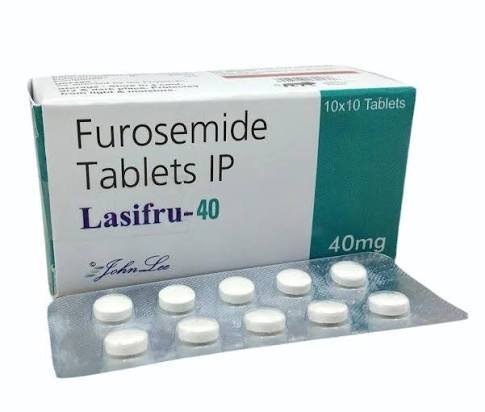
Do not double the next dose if you forget one unless a healthcare professional specifically tells you to do so. If you have vomiting or diarrhea and are unable to maintain normal fluid intake, contact your healthcare team for advice because dehydration can become more likely. NHS Specialist Pharmacy Service guidance notes that fluid loss during acute illness can require temporary review of furosemide treatment, particularly in higher-risk patients.
Furosemide Price in the USA
Furosemide is generally considered an inexpensive generic medicine in the United States. Current GoodRx information lists generic furosemide at prices as low as approximately $4, although this is not a universal retail price and can vary according to strength, quantity, pharmacy, location, insurance, and discount programs.
The branded version, Lasix, may cost more than generic furosemide. Patients with insurance may pay a different copay, while uninsured patients may benefit from pharmacy discount programs. Because U.S. prescription prices can change frequently, it is best to check the exact strength and quantity with a local pharmacy before purchasing.
Furosemide Price in the UK
In the United Kingdom, furosemide is a prescription medicine, and NHS prescription arrangements mean the amount a patient pays can depend on eligibility and the applicable prescription system rather than simply the pharmacy’s retail price. The NHS regulates medicines through a licensing system overseen by the MHRA, while prescription arrangements determine patient charges in England and differ from other parts of the UK.
Therefore, giving one universal “UK price” would be misleading. Generic 20 mg and 40 mg tablets are widely used, and the price paid by an eligible NHS patient can be very different from the underlying medicine cost.
Furosemide Price in Canada
In Canada, the price of furosemide can vary according to province, pharmacy, manufacturer, prescription quantity, and insurance coverage. Generic medicines are usually less expensive than branded alternatives, but patients should check with their provincial drug plan or pharmacy for the current amount.
Because Canadian prescription-drug coverage is administered differently across provinces and patient groups, there is no single nationwide cash price that applies to everyone. A pharmacist can provide the most accurate current price for the exact strength and quantity prescribed.
Furosemide Price in Germany
Germany provides a useful example of how generic competition can keep medicine prices relatively modest. Current online pharmacy information lists Furosemid-ratiopharm 40 mg, 100 tablets, with a listed price of about €14.73, while the branded Lasix 40 mg 100-tablet product is listed at about €28.91 on the same pharmacy platform. These figures can change and should be treated as current examples rather than permanent prices.
The German listings also show that furosemide tablets are prescription-only medicines. Patient copayments can differ from the listed medicine price depending on the German statutory or private insurance system.
Furosemide Price in France, Switzerland and Other European Countries
Prices in France, Switzerland, the Netherlands, Sweden, Norway, Ireland, Finland, and Denmark depend heavily on national reimbursement rules, pharmacy pricing, pack size, and whether the patient has public or private coverage. It would be inaccurate to claim that one fixed price applies across each entire country. In several European healthcare systems, the amount paid by the patient can be much lower than the underlying pharmacy price because of reimbursement.
For Switzerland in particular, medicine pricing and reimbursement differ from neighboring EU countries, while Nordic countries such as Sweden, Norway, Finland, and Denmark have their own reimbursement and prescription systems. Patients should therefore compare the price of the exact product, strength, and pack size rather than comparing an isolated tablet price.
Furosemide Price in Australia and New Zealand
Australia uses the Pharmaceutical Benefits Scheme (PBS) for eligible prescription medicines, and furosemide is available as a generic prescription medicine. Current Chemist Warehouse information lists Furosemide WGR 20 mg, 100 tablets at A$8.99, while Frusemide APO 20 mg 100 tablets is listed at A$9.99 and other generic products are also available. Actual patient costs can differ according to Medicare eligibility and concession or safety-net arrangements.
In New Zealand, prescription medicine costs can similarly depend on government subsidy and pharmacy arrangements. The exact price should be confirmed with a New Zealand pharmacy because online listings, eligibility, and dispensing charges can change.
Furosemide Price Comparison Table
| Country | Typical situation for furosemide | Price information |
|---|---|---|
| USA | Generic widely available | GoodRx lists prices as low as about $4, depending on pharmacy and prescription |
| UK | Prescription medicine | Patient cost depends on NHS prescription arrangements |
| Canada | Prescription medicine | Varies by province, pharmacy and insurance |
| Germany | Prescription medicine | Generic 40 mg/100 tablets listed around €14.73 in a current online pharmacy example |
| France | Prescription/reimbursement system | Varies by product and reimbursement |
| Switzerland | Prescription/reimbursement system | Varies by pharmacy and insurance |
| Australia | PBS prescription medicine | Generic 20 mg/100 tablets currently listed around A$8.99–A$10.99 in examples |
| Netherlands | Prescription medicine | Price and reimbursement vary |
| Sweden | Prescription/reimbursement system | Patient cost depends on subsidy |
| Norway | Prescription/reimbursement system | Varies by prescription and reimbursement |
| New Zealand | Subsidized prescription system | Exact patient charge depends on eligibility and pharmacy |
| Ireland | Prescription medicine | Cost varies with scheme and pharmacy |
| Finland | Prescription/reimbursement system | Patient payment depends on reimbursement |
| Denmark | Prescription/reimbursement system | Varies according to reimbursement |
| Japan | Prescription medicine | Price depends on product, quantity and insurance |
Important Safety Information
Furosemide should not be used simply to lose weight. The rapid reduction in body weight caused by fluid loss is not the same as losing body fat, and using a diuretic without a medical reason can cause dehydration and dangerous electrolyte abnormalities. Likewise, you should not take another person’s prescription even if you have similar swelling or blood-pressure symptoms.
If you develop fainting, severe weakness, confusion, severe dehydration, unusual heartbeat, serious rash, breathing difficulty, or significant hearing changes, seek medical advice promptly. Do not stop a long-term prescription suddenly without discussing it with the healthcare professional managing your condition.
Conclusion
Furosemide is an important loop diuretic used to help the body remove excess salt and water. Its major uses include managing fluid retention associated with heart, kidney, and liver conditions, and it may also be used for hypertension in selected patients. The medicine can be highly effective when correctly prescribed, but its ability to alter fluid and electrolyte balance means that appropriate dosing and monitoring are essential. Common effects include increased urination, thirst, dizziness, and muscle cramps, while more serious problems can include dehydration, electrolyte disturbances, low blood pressure, and rare severe reactions.
Prices vary significantly between countries and even between pharmacies within the same country. Generic furosemide is usually inexpensive, but the final amount paid depends on insurance, government reimbursement, prescription rules, strength, quantity, and whether a generic or branded product is selected. Current examples include U.S. generic prices starting around $4 through discount pricing, German generic 40 mg pricing around €14.73 for 100 tablets, and Australian generic 20 mg pricing around A$8.99–A$10.99 for 100 tablets.
FAQs About Furosemide Tablets
1. What is furosemide used for?
Furosemide is mainly used to remove excess fluid from the body. Doctors commonly prescribe it for edema associated with heart, kidney, or liver conditions and may also use it in selected cases of high blood pressure.
2. Does furosemide make you urinate more?
Yes. Increasing urine production is the primary effect of furosemide. This helps the body remove excess water and sodium, which is why many people need to urinate more frequently after taking a dose.
3. What are the most common furosemide side effects?
Possible effects include frequent urination, thirst, dizziness, low blood pressure, muscle cramps, and electrolyte changes. Severe dehydration or significant electrolyte abnormalities require medical attention.
4. Can I take furosemide for weight loss?
No. Furosemide should not be used as a weight-loss medicine. It removes water rather than body fat, and inappropriate use can cause dehydration, low blood pressure, and dangerous electrolyte disturbances.
5. Is furosemide available without a prescription?
Prescription requirements differ by country, but furosemide is generally a prescription medicine. Current German pharmacy listings, for example, identify 40 mg furosemide tablets as prescription-only, while Australian pharmacy listings also require a prescription.