
Synthroid Tablet Uses, Side Effects and Price in the USA, UK, France, Germany and Switzerland
Synthroid is a brand name for levothyroxine sodium, a synthetic form of the thyroid hormone thyroxine (T4). It is primarily prescribed when the thyroid gland does not produce enough hormone, a condition known as hypothyroidism. Because thyroid hormones influence metabolism, energy use, heart function, temperature regulation, and many other body processes, replacing a missing hormone can make a major difference to how a person feels and functions.
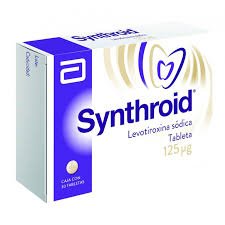
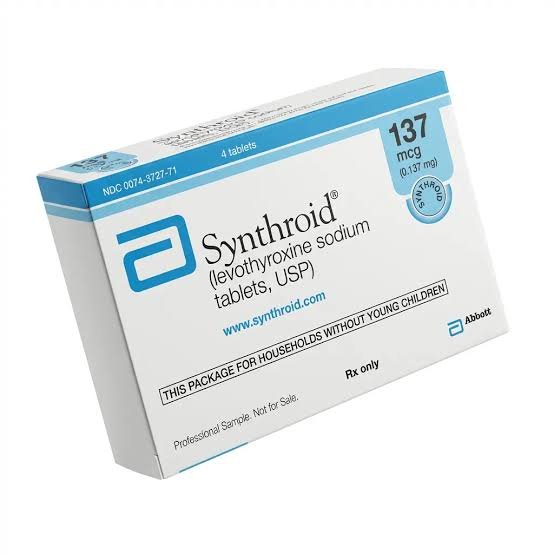
Synthroid is available in several strengths, and the appropriate dose is not the same for everyone. The U.S. prescribing information lists tablet strengths ranging from 25 micrograms to 300 micrograms, with the dose selected according to factors such as age, body weight, cardiovascular status, other medicines, laboratory results, and the reason for treatment.
Although Synthroid is widely recognized in the United States, patients in other countries may receive generic levothyroxine or a different brand rather than Synthroid itself. The active ingredient is still levothyroxine, but products can have different names, manufacturers, formulations, packaging, and prices.
This article explains Synthroid uses, how it works, common side effects, serious risks, how to take it, important interactions, and approximate prices in the USA, UK, France, Germany, and Switzerland. It is intended for educational purposes and should not replace advice from a doctor or pharmacist.
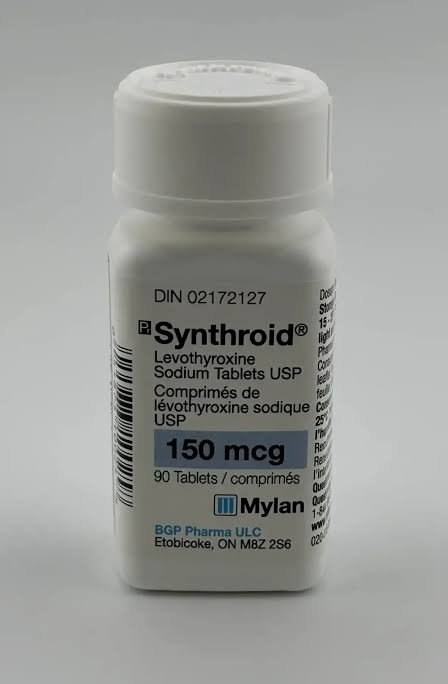
What Is Synthroid?
Synthroid contains levothyroxine sodium, which is converted and used by the body in the same general thyroid-hormone system as naturally produced thyroxine. When the thyroid does not make sufficient hormone, the body’s processes can slow down. People with untreated hypothyroidism may experience tiredness, weight gain, feeling cold, constipation, dry skin, low mood, difficulty concentrating, and other symptoms.
Levothyroxine works by replacing the hormone that the thyroid gland is unable to produce adequately. The U.S. prescribing information identifies Synthroid as replacement therapy for primary, secondary, and tertiary hypothyroidism, including congenital and acquired forms. It can also be used as part of treatment intended to suppress thyroid-stimulating hormone, or TSH, in certain patients with well-differentiated thyroid cancer.
It is important to understand that Synthroid is not a general energy tablet or weight-loss medicine. The FDA-approved information specifically warns against using thyroid hormones to treat obesity or promote weight loss. Taking more levothyroxine than prescribed can produce excessive thyroid hormone activity and potentially dangerous complications.
Synthroid Uses
1. Treatment of Hypothyroidism
The most common reason Synthroid is prescribed is hypothyroidism. This occurs when the thyroid gland cannot produce enough thyroid hormone for the body’s needs. Hypothyroidism can have several causes, including autoimmune thyroid disease, thyroid surgery, radioactive iodine treatment, certain medications, congenital thyroid problems, or other disorders affecting the thyroid or the systems that regulate it.
Levothyroxine replaces the missing hormone and helps restore thyroid hormone levels toward the range considered appropriate for the individual patient. Treatment is usually long term, and many people require medication for many years or throughout life.
The goal is not simply to make a person feel energetic. Instead, treatment aims to provide the amount of thyroid hormone needed for normal physiological function while avoiding excessive replacement. Blood tests, particularly TSH and sometimes T4, help healthcare professionals determine whether the dose is appropriate. The FDA prescribing information states that thyroid function and clinical status should be monitored periodically and that the full therapeutic effect of a dose change may take several weeks.
2. Thyroid Hormone Replacement After Thyroid Surgery
Some people develop hypothyroidism after all or part of their thyroid gland has been removed. Depending on how much functioning thyroid tissue remains and the underlying reason for surgery, levothyroxine may be prescribed as replacement therapy.
The required dose can vary considerably. Someone who has had almost all thyroid tissue removed may need a different replacement strategy from someone whose thyroid continues to produce some hormone. Doctors therefore use laboratory testing and the patient’s clinical situation rather than selecting a dose based solely on symptoms.
3. Treatment After Radioactive Iodine
Radioactive iodine may be used for certain thyroid disorders. Because it can reduce thyroid function, some patients eventually need thyroid hormone replacement.
In such circumstances, levothyroxine can restore the hormone that the thyroid is no longer producing adequately. The dose is adjusted according to follow-up testing and the patient’s medical circumstances.
4. TSH Suppression in Certain Thyroid Cancer Patients
Synthroid may also be prescribed to suppress TSH in selected people with well-differentiated thyroid cancer, particularly as part of management following surgery and radioactive iodine treatment.
This use is different from ordinary thyroid replacement. The required thyroid hormone dose may be higher because the therapeutic objective includes controlling TSH. Such treatment requires careful medical supervision because excessive thyroid hormone exposure can cause cardiovascular and skeletal complications.
How Does Synthroid Work?
Synthroid supplies the body with T4, the primary hormone contained in the medicine. T4 is involved in regulating metabolism and numerous physiological functions. The body can convert T4 into the more biologically active thyroid hormone T3 in tissues.
Think of thyroid hormone as part of the body’s metabolic control system. If too little hormone is available, many processes can slow down. Replacing the missing hormone helps restore the signals needed for normal body function.
The effect is not normally immediate. The FDA prescribing information notes that the peak therapeutic effect may not be reached until approximately 4 to 6 weeks after a dose is started or changed. This is one reason patients should not repeatedly increase or decrease their dose because they do not feel an immediate difference.
How to Take Synthroid Tablets
Synthroid is generally taken once daily, preferably on an empty stomach. The U.S. prescribing information recommends taking it approximately 30 to 60 minutes before breakfast. It should also be separated from certain medicines that interfere with absorption; the prescribing information recommends at least a four-hour separation from drugs known to interfere with levothyroxine absorption.
Consistency is extremely important. Taking levothyroxine at substantially different times or with different foods every day can affect how much medicine is absorbed. Some foods, supplements, and medicines can also interfere with absorption.
Patients should follow the specific instructions provided by their doctor or pharmacist. If a person forgets a dose, they should follow the instructions supplied with their medicine rather than automatically doubling the next dose.
Synthroid Side Effects
When Synthroid is prescribed at the appropriate dose, many patients tolerate it well. However, side effects can occur, particularly when the dose is higher than the body requires.
The important point is that many levothyroxine-related adverse effects resemble symptoms of hyperthyroidism, meaning the body is being exposed to more thyroid hormone than it needs. The FDA lists possible adverse reactions associated with excessive replacement, including palpitations or abnormal heart rhythms, shortness of breath, headache, nervousness, irritability, insomnia, tremor, muscle weakness, increased appetite, weight loss, diarrhea, heat intolerance, and menstrual irregularities.
Common or Dose-Related Symptoms
A person receiving too much Synthroid may notice:
- Fast or pounding heartbeat
- Nervousness or anxiety
- Shaking or tremor
- Trouble sleeping
- Increased sweating
- Feeling unusually hot
- Headache
- Increased appetite
- Unexplained weight loss
- Diarrhea
- Muscle weakness
- Changes in menstrual patterns
These symptoms do not automatically prove that the Synthroid dose is too high. Other medical conditions can cause similar symptoms. A doctor may therefore recommend blood testing before changing the dose.
Serious Side Effects
Serious complications are more likely when thyroid hormone levels become excessively high, especially in vulnerable patients. Excessive thyroid hormone can place additional stress on the cardiovascular system and can contribute to abnormal heart rhythms.
Older adults and people with existing cardiovascular disease may require particularly careful dose selection. The U.S. prescribing information warns about cardiac adverse reactions, including atrial fibrillation, in susceptible patients.
Seek urgent medical attention for severe symptoms such as chest pain, fainting, severe difficulty breathing, or a very rapid or irregular heartbeat.
Severe allergic reactions are uncommon but can occur because of an ingredient in a particular formulation. Emergency symptoms can include swelling of the face, lips, mouth, or throat, hives, difficulty breathing, or fainting.
Who Should Be Careful With Synthroid?
Synthroid is not appropriate for everyone without careful medical evaluation. The U.S. prescribing information lists uncorrected adrenal insufficiency as a contraindication. Doctors also need to consider cardiovascular disease, age, pregnancy, diabetes, bone health, and other medicines when selecting and monitoring therapy.
Patients with heart disease may require a lower starting dose and gradual adjustment. Too much thyroid hormone can increase the workload on the heart.
People with diabetes should also tell their healthcare professional about their condition. Thyroid hormone treatment can affect glycemic control, potentially changing insulin or other diabetes-medicine requirements.
Pregnancy is another situation requiring careful monitoring. Thyroid hormone requirements can increase during pregnancy, so patients who are already taking levothyroxine should discuss their treatment with their healthcare professional rather than stopping the medicine themselves.
Synthroid and Drug Interactions
Several medicines and supplements can affect levothyroxine absorption or its effectiveness. This is one reason pharmacists and doctors should know about everything a patient takes, including nonprescription products.
Examples can include certain antacids, calcium-containing supplements, iron supplements, and other products that interfere with absorption. The timing of these products may therefore matter.
The FDA prescribing information specifically recommends separating Synthroid from drugs known to interfere with absorption by at least four hours.
Patients should not assume that a vitamin or mineral supplement is harmless simply because it is sold without a prescription. Tell your healthcare professional about supplements, herbal products, and over-the-counter medicines before making changes to your thyroid treatment.
Synthroid vs Generic Levothyroxine
One of the biggest practical questions is whether Synthroid and generic levothyroxine are the same.
Both contain levothyroxine as the active thyroid hormone replacement. However, different products can contain different inactive ingredients and can be manufactured by different companies.
Patients who are stable on a particular levothyroxine product should discuss any proposed product switch with their healthcare professional. When a product is changed, the clinician may decide that thyroid-function monitoring is appropriate.
In many countries outside the United States, patients are much more likely to encounter levothyroxine under a local brand name or as a generic medicine. For example, France has products such as Levothyrox, while Germany has products such as L-Thyroxin Henning.
Synthroid Price in the USA
The price of Synthroid in the United States can vary significantly according to strength, quantity, pharmacy, insurance coverage, coupons, and whether the patient chooses the brand or generic medicine.
A current Drugs.com pricing reference lists Synthroid 50 mcg at around $160.74 for 90 tablets for cash-paying customers, while Synthroid 100 mcg is also listed from about $160.74 for 90 tablets. These are cash prices and are not necessarily what an insured patient pays at the pharmacy.
Generic levothyroxine can be dramatically less expensive. Current pricing information lists 100 mcg generic levothyroxine from about $9.43 for 90 tablets, although the actual pharmacy price can vary.
| Country | Example medicine/strength | Approximate current reference price* |
|---|---|---|
| USA | Synthroid 100 mcg, 90 tablets | From about $160.74 |
| USA | Generic levothyroxine 100 mcg, 90 tablets | From about $9.43 |
| UK | Levothyroxine 100 mcg, 28 tablets | NHS basic price about £0.65 |
| France | Levothyrox 100 mcg, 30 tablets | About €2.98 including dispensing fee |
| Germany | L-Thyroxin Henning 100, 100 tablets | About €5.63 listed pharmacy price |
| Switzerland | Levothyroxine products | Price varies by product, pack and reimbursement |
*These figures are reference prices found in recent sources, not guaranteed retail prices or individual patient costs.
Synthroid Price in the UK
In the United Kingdom, levothyroxine is commonly prescribed rather than the U.S. brand Synthroid. The NHS Drug Tariff for May 2026 lists the basic price for levothyroxine sodium 100 microgram tablets, 28 tablets, at £0.65.
However, the amount a patient pays can be very different from the medicine’s basic reimbursement price. In England, the NHS prescription charge is currently £9.90 per prescribed item for people who are required to pay. Some people are entitled to free prescriptions. Prescriptions in Scotland and Wales are free.
Therefore, simply comparing the British medicine’s basic price with the American cash price can be misleading. Healthcare financing systems are fundamentally different.
Synthroid Price in France
France generally uses levothyroxine products such as Levothyrox rather than the Synthroid brand commonly associated with the United States.
France’s official public medicines database currently lists Levothyrox 100 micrograms in a 30-tablet presentation at €1.96 before the dispensing fee, or €2.98 including the dispensing fee, with a stated reimbursement rate of 65% for that presentation. A 90-tablet pack is listed at €7.95 including the dispensing fee.
The French database also identifies levothyroxine medicines as prescription-only and provides official information about their indications and reimbursement status.
This illustrates how dramatically medicine prices can differ between countries. The price of a branded medicine in the United States cannot simply be converted into euros and assumed to represent the French patient’s cost.
Synthroid Price in Germany
In Germany, levothyroxine is available under brands including L-Thyroxin Henning. A recent German pharmacy listing shows L-Thyroxin Henning 100 micrograms in a 100-tablet package at approximately €5.63, while the listed official pharmacy selling price reference is higher. The medicine is prescription-only.
Generic alternatives may have different prices. German prescription and reimbursement rules can also mean that the amount paid by a patient is not identical to the public retail price shown on a pharmacy website.
Patients should therefore check the current price and their insurance or statutory-health-insurance status before assuming what they will pay.
Synthroid Price in Switzerland
Switzerland has its own pharmaceutical pricing and reimbursement system, and levothyroxine is available through Swiss pharmacies under different product names and strengths.
Unlike the straightforward public NHS pricing structure in the UK or the official French medicines database, Swiss patient costs can depend on the specific product, pharmacy, insurance arrangement, deductible, and co-payment rules.
For this reason, it is safer to obtain the current Swiss price directly from a licensed Swiss pharmacy or official medicines database rather than relying on an old online price. The exact cost can also change when the package size or manufacturer changes.
Why Synthroid Prices Differ Between Countries
Why can the same thyroid hormone seem expensive in one country and inexpensive in another?
The answer is not simply manufacturing cost. Medicine prices are influenced by national regulations, reimbursement systems, negotiated prices, insurance arrangements, taxes, pharmacy fees, brand status, generic competition, distribution costs, and whether a patient is paying the full cash price.
The United States has a particularly different prescription-drug purchasing environment from countries such as France, Germany, and the UK. A person paying cash for a U.S. brand-name product may therefore see a much higher figure than a patient receiving a generic medicine through a national or statutory reimbursement system.
This is why patients should compare the actual out-of-pocket cost rather than only comparing advertised list prices.
Can Synthroid Be Used for Weight Loss?
No. Synthroid should not be taken for weight loss unless it has been prescribed to treat a thyroid condition.
The FDA prescribing information carries a specific warning that thyroid hormones, including Synthroid, should not be used to treat obesity or promote weight loss. Taking excessive thyroid hormone can cause serious toxicity rather than producing a safe form of weight management.
If someone has hypothyroidism, appropriate treatment can sometimes lead to weight changes because the underlying thyroid hormone deficiency is being corrected. That is very different from taking extra levothyroxine to lose weight.
What Happens If You Take Too Much Synthroid?
Taking too much Synthroid can cause symptoms of excessive thyroid hormone. These can include rapid heartbeat, nervousness, tremor, insomnia, sweating, heat intolerance, diarrhea, increased appetite, and weight loss.
More severe toxicity can affect the cardiovascular system and other organs. The risk can be particularly important in older adults and people with heart disease.
Never increase your dose because you feel tired or because you want to lose weight. If your symptoms have returned, the safest approach is to speak with your healthcare professional and have the appropriate thyroid tests performed.
Frequently Asked Questions
1. Is Synthroid the same as levothyroxine?
Synthroid contains levothyroxine sodium, the synthetic form of thyroid hormone T4. Generic levothyroxine contains the same active ingredient, although products can differ in inactive ingredients, manufacturer, formulation, and appearance. A healthcare professional can advise whether a particular product is suitable for you.
2. How long does Synthroid take to work?
Levothyroxine begins acting after it is absorbed, but noticeable and measurable effects of a dose change are not immediate. The FDA prescribing information states that the peak therapeutic effect can take approximately 4 to 6 weeks.
3. Can Synthroid cause weight loss?
If someone has hypothyroidism and starts receiving an appropriate replacement dose, correcting the hormone deficiency can affect weight. However, Synthroid should not be used as a weight-loss drug. Taking excessive thyroid hormone for weight reduction can be dangerous.
4. What are the most common Synthroid side effects?
Side effects are often related to receiving more thyroid hormone than needed. Possible symptoms include nervousness, insomnia, tremor, sweating, heat intolerance, increased appetite, diarrhea, headache, muscle weakness, weight loss, and rapid or irregular heartbeat.
5. Is Synthroid expensive?
The answer depends heavily on the country and whether you are buying the brand or generic medicine. In current U.S. cash-price references, Synthroid can cost substantially more than generic levothyroxine. In countries such as France and Germany, levothyroxine products can have much lower listed prices because of different healthcare and reimbursement systems.
Conclusion
Synthroid is a prescription thyroid hormone replacement medicine containing levothyroxine sodium. Its main use is treating hypothyroidism, although it can also have a role in TSH suppression for selected thyroid cancer patients. Because thyroid hormone affects many systems throughout the body, finding the correct dose is much more important than simply taking a higher or lower amount based on symptoms.
The most important Synthroid side effects are generally associated with excessive thyroid hormone replacement. Symptoms such as a racing heartbeat, tremor, nervousness, insomnia, sweating, heat intolerance, diarrhea, and unexplained weight loss can indicate that the dose needs medical review, although other conditions can cause similar symptoms.
Prices vary dramatically between countries. Current reference data show that U.S. cash prices for branded Synthroid can be considerably higher than generic levothyroxine, while NHS, French, and German pricing structures can make levothyroxine considerably less expensive at the medicine-price level.
If Synthroid or levothyroxine has been prescribed for you, take it exactly as directed and have thyroid blood tests when recommended. Do not change the dose, switch products, or stop treatment without discussing it with your doctor or pharmacist. The information in this article is educational and does not replace individualized medical advice.