
Atcam Uses, Side Effects, Price, Dosage, and Safety Guide (2026)
What Is Atcam?
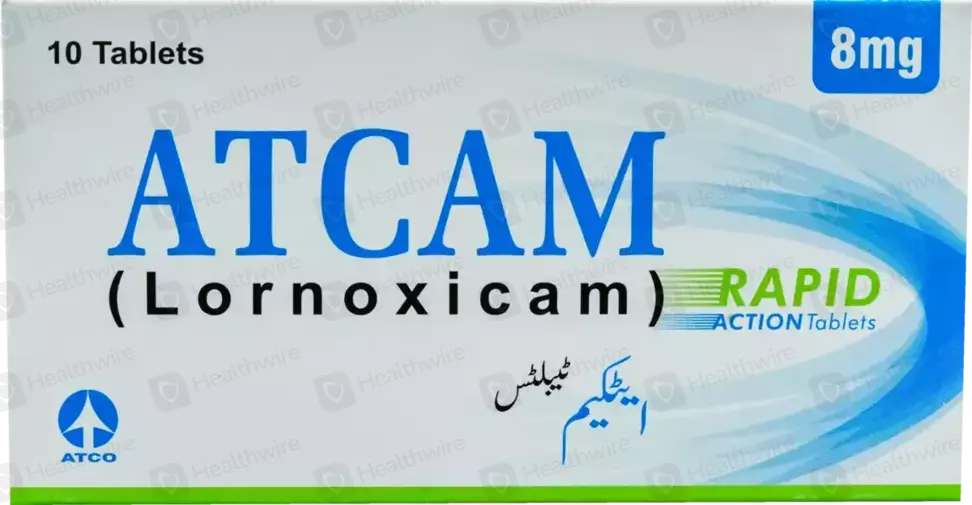
Atcam is a prescription medicine that contains lornoxicam, a non-steroidal anti-inflammatory drug (NSAID) used to relieve pain and reduce inflammation. It is commonly prescribed for people experiencing acute pain, arthritis, joint inflammation, muscle injuries, and pain following surgery or dental procedures. Lornoxicam works by blocking cyclooxygenase (COX) enzymes responsible for producing prostaglandins, chemicals that trigger pain, swelling, and inflammation in the body. As prostaglandin production decreases, pain and swelling gradually improve. Healthcare providers usually recommend Atcam for short-term treatment because prolonged use of NSAIDs may increase the risk of stomach ulcers, kidney damage, or cardiovascular complications. Patients should always take it exactly as directed by their physician and avoid self-medicating for extended periods.
Active Ingredient
The active ingredient in Atcam is Lornoxicam 8 mg. Lornoxicam belongs to the oxicam class of NSAIDs and is known for its strong pain-relieving and anti-inflammatory effects. It is commonly prescribed in tablet form and is intended for adults unless a healthcare provider advises otherwise.
How It Works
Lornoxicam reduces inflammation by inhibiting COX enzymes, which decreases prostaglandin production. This action helps relieve pain, stiffness, swelling, and tenderness associated with inflammatory conditions. Unlike opioids, Atcam does not cause addiction but should still be used carefully because excessive or prolonged use can lead to significant side effects.
Medical Uses of Atcam
Doctors prescribe Atcam for several painful conditions involving inflammation.
Arthritis Pain
One of the primary uses of Atcam is treating osteoarthritis, rheumatoid arthritis, and ankylosing spondylitis. It reduces joint swelling, improves flexibility, and allows patients to perform daily activities with less discomfort. Although it relieves symptoms, it does not cure arthritis or stop disease progression.
Muscle and Joint Pain
Atcam is frequently prescribed for muscle sprains, ligament injuries, back pain, sports injuries, and other musculoskeletal disorders. By reducing inflammation around damaged tissues, it can shorten recovery time while improving mobility. Rest, physical therapy, and other treatments may still be required depending on the underlying injury.
Dental and Post-Surgical Pain
Dentists and surgeons may prescribe Atcam after tooth extractions or minor surgeries to control short-term pain and swelling. It provides effective pain relief while helping patients recover more comfortably. Treatment is generally limited to a few days unless the doctor advises otherwise.
Recommended Dosage
The correct dose depends on your age, medical condition, and severity of pain.
How to Take Atcam
Take Atcam exactly as prescribed by your doctor. Swallow the tablet whole with water, preferably after food to reduce stomach irritation. Do not crush or chew the tablet unless instructed. Avoid taking multiple NSAIDs together because this significantly increases the risk of stomach bleeding and kidney injury.
Missed Dose and Overdose
If you miss a dose, take it as soon as you remember unless it is almost time for your next scheduled dose. Never double the dose to make up for a missed tablet. Symptoms of overdose may include severe stomach pain, vomiting, drowsiness, bleeding, or kidney problems and require immediate medical attention.
Side Effects of Atcam
Like all medicines, Atcam may cause side effects, although many people experience only mild symptoms.
Common Side Effects
Common side effects include:
- Nausea
- Vomiting
- Stomach pain
- Diarrhea
- Headache
- Dizziness
- Fatigue
- Skin rash
These effects are often temporary, but persistent symptoms should be discussed with a healthcare professional.
Serious Side Effects
Although uncommon, serious side effects require urgent medical attention. These include:
- Gastrointestinal bleeding
- Black or bloody stools
- Severe allergic reactions
- Chest pain
- Difficulty breathing
- Kidney impairment
- Severe liver problems
- Swelling of the face or throat
Stop taking Atcam and seek emergency medical care if any of these occur.
Warnings and Precautions
Certain medical conditions increase the risks associated with Atcam.
Drug Interactions
Atcam may interact with:
| Medication | Possible Effect |
|---|---|
| Blood thinners (Warfarin) | Increased bleeding risk |
| Aspirin | Higher stomach ulcer risk |
| Ibuprofen or Diclofenac | Increased NSAID side effects |
| Diuretics | Reduced effectiveness and kidney risk |
| Lithium | Increased lithium toxicity |
| Methotrexate | Increased toxicity |
Always inform your doctor about every prescription medicine, supplement, and herbal product you take.
Pregnancy and Breastfeeding
Atcam should generally be avoided during pregnancy, particularly during the third trimester, because it may affect the baby’s circulation and delay labor. Breastfeeding mothers should only use it after discussing the risks and benefits with their healthcare provider. Patients with stomach ulcers, kidney disease, liver disease, severe heart failure, or previous NSAID allergies should avoid Atcam unless specifically instructed otherwise.
Atcam Price in Pakistan
The current price varies slightly between pharmacies.
Current Market Price
Recent pharmacy listings show that a strip of 10 Atcam 8 mg tablets typically costs between PKR 190 and PKR 300, depending on the retailer, city, and promotional discounts. Examples include prices around PKR 192.60, PKR 200, PKR 244, PKR 256.50, and PKR 297 from different pharmacies. Prices may change over time.
Factors Affecting Price
Several factors influence the retail price:
- Pharmacy location
- Manufacturer discounts
- Online promotions
- Delivery charges
- Availability in stock
Comparing prices among reputable pharmacies can help you obtain the medicine at a lower cost while ensuring authenticity.
Conclusion
Atcam is an effective NSAID painkiller containing lornoxicam, commonly used for arthritis, muscle pain, joint inflammation, dental pain, and post-operative discomfort. It provides reliable short-term pain relief when taken according to medical advice. Like other NSAIDs, it can cause stomach irritation, dizziness, kidney problems, and bleeding in some individuals, especially if used for long periods or at higher-than-prescribed doses. Because of these risks, it should always be used under the guidance of a qualified healthcare professional. If pain persists despite treatment or if severe side effects occur, seek medical attention promptly.
FAQs
1. Is Atcam an antibiotic?
No. Atcam is a non-steroidal anti-inflammatory drug (NSAID) used to relieve pain and inflammation.
2. Can I take Atcam on an empty stomach?
It is generally recommended to take it after food to reduce stomach irritation.
3. Can Atcam be taken daily?
Only if prescribed by your doctor. Long-term daily use increases the risk of ulcers, kidney damage, and cardiovascular complications.
4. Is Atcam safe for elderly patients?
Older adults can use Atcam, but they require closer monitoring because they have a higher risk of stomach bleeding and kidney problems.
5. Do I need a prescription?
In many pharmacies, Atcam is treated as a prescription medicine, and medical advice is recommended before use.