Norvasc Tablet Uses, Side Effects and Price in the USA, UK, France, Germany and Switzerland
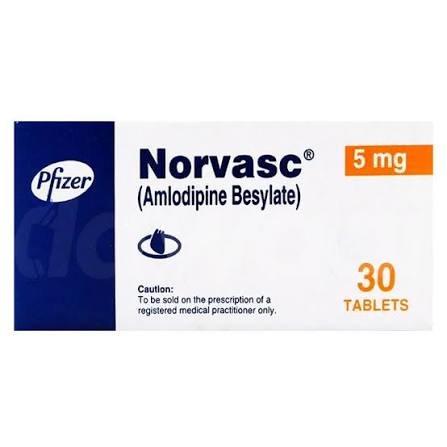
Norvasc is a well-known brand name for amlodipine, a calcium-channel blocker used mainly to treat high blood pressure and certain types of angina. If you have been prescribed Norvasc, you may naturally want to know what it does, how it should be taken, what side effects can occur, and how much it may cost in different countries.
The active ingredient in Norvasc is amlodipine besylate. It works primarily by relaxing and widening blood vessels, allowing blood to flow more easily and reducing the pressure against artery walls. Official prescribing information identifies Norvasc as a treatment for hypertension and angina, while current NHS information similarly describes amlodipine as a calcium-channel blocker used for high blood pressure and angina.
One important point about price is that the cost of the brand-name Norvasc can be very different from the price of generic amlodipine. Insurance, prescriptions, pharmacy location, pack size, reimbursement rules, and whether you buy a branded or generic product can all change what you actually pay. The figures below should therefore be treated as useful reference points rather than guaranteed pharmacy prices.
Table of Contents
- What Is Norvasc?
- Norvasc Active Ingredient
- Norvasc Tablet Uses
- How Norvasc Works
- Norvasc Dosage
- How to Take Norvasc
- Common Norvasc Side Effects
- Serious Norvasc Side Effects
- Norvasc Precautions
- Norvasc Drug Interactions
- Norvasc and Food
- Norvasc During Pregnancy and Breastfeeding
- Norvasc Price in the USA
- Norvasc Price in the UK
- Norvasc Price in France
- Norvasc Price in Germany
- Norvasc Price in Switzerland
- Norvasc Brand vs Generic Amlodipine
- When to Contact a Doctor
- Conclusion and FAQs
What Is Norvasc?
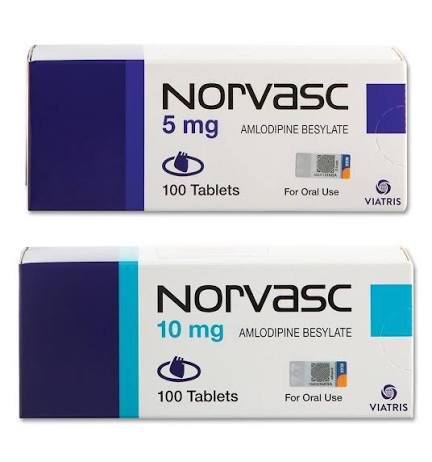
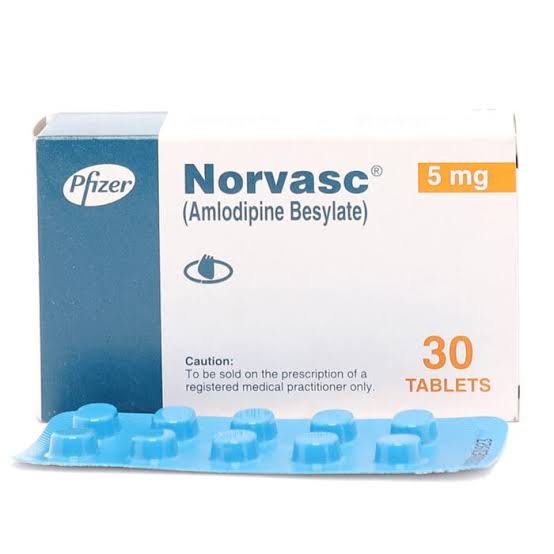
Norvasc is the brand name associated with amlodipine, a medicine belonging to the dihydropyridine class of calcium-channel blockers. The medicine is prescribed primarily for hypertension, commonly called high blood pressure, and for certain forms of angina, which is chest discomfort caused by reduced blood flow to the heart muscle. The FDA-approved Norvasc labeling lists 2.5 mg, 5 mg and 10 mg tablets, although the exact strengths and brands available can vary between countries.
Think of your blood vessels like flexible pipes carrying water through a large building. When those pipes become too narrow or tense, pressure rises inside the system. Amlodipine helps relax the muscular walls of blood vessels, giving blood more room to move. This lowers blood pressure and can reduce the workload placed on the heart.
Norvasc is not generally a medicine that provides immediate relief from sudden chest pain. For people with angina, it is used as part of ongoing treatment to help prevent episodes. The French public medicines database likewise describes amlodipine products as treatments for hypertension and certain forms of angina, including Prinzmetal angina.
Because high blood pressure often produces no obvious symptoms, someone can feel perfectly well while still having elevated blood pressure. That is why Norvasc is normally taken consistently rather than only when a person feels unwell. Your doctor decides whether amlodipine is appropriate after considering your blood pressure, cardiovascular history, other medicines and overall health.
Norvasc Active Ingredient
The active ingredient in Norvasc is amlodipine besylate. Although the word “besylate” may sound complicated, it essentially refers to the salt form used to formulate amlodipine in the medicine. Once taken, amlodipine produces the blood-vessel-relaxing effect responsible for lowering blood pressure.
Amlodipine is generally considered a long-acting calcium-channel blocker. Its long duration is one reason it is commonly prescribed once daily. Current NHS guidance says amlodipine is usually taken once a day and can generally be taken before or after food.
The same active ingredient may be sold under different brand names or simply as generic amlodipine in different countries. In France, for example, official medicine records list multiple amlodipine products and identify them as belonging to the generic group associated with the reference medicine Amlor.
This distinction matters when comparing prices. A person searching for “Norvasc price” may see a much higher price than someone searching for “amlodipine 5 mg,” because the latter may refer to a generic product.
Norvasc Tablet Uses
The main Norvasc uses are the treatment of high blood pressure and the management or prevention of certain forms of angina. By lowering blood pressure, amlodipine helps reduce the strain placed on the cardiovascular system. Long-term blood-pressure control is important because uncontrolled hypertension increases the risk of serious cardiovascular complications.
For angina, amlodipine helps improve blood flow to the heart and reduces the workload against which the heart has to pump. This can help prevent angina episodes in appropriate patients. It should not, however, be confused with medicines specifically intended for immediate relief during an acute attack.
Doctors may prescribe amlodipine alone or alongside other blood-pressure medicines. The choice depends on the individual’s blood-pressure readings, age, cardiovascular risk, kidney and liver considerations, and response to treatment.
Because hypertension is usually a long-term condition, Norvasc may be prescribed for extended periods. The NHS specifically advises patients not to stop amlodipine unless their doctor tells them to do so.
How Norvasc Works
Norvasc works by blocking calcium entry into certain muscle cells in the walls of blood vessels. Calcium is involved in muscle contraction, so reducing calcium movement into these cells allows the arterial muscles to relax. As the arteries relax and widen, blood can move through them more easily.
The result is a reduction in blood pressure. This effect can also reduce the amount of work required from the heart. In people with appropriate forms of angina, improved coronary blood flow and reduced cardiac workload can help prevent chest-pain episodes.
This mechanism also explains why some adverse effects occur. When blood vessels widen, blood may move toward tissues in the legs and ankles, contributing to ankle or leg swelling, one of the better-known side effects of amlodipine.
Norvasc does not “cure” the underlying tendency toward high blood pressure. Instead, it controls blood pressure while you take it. That is why regular use and monitoring are important.
Norvasc Dosage
The appropriate Norvasc dosage depends on the condition being treated and the individual patient. The commonly available tablet strengths include 2.5 mg, 5 mg and 10 mg, and the FDA labeling describes these strengths for Norvasc.
For many adults with hypertension, 5 mg once daily is a commonly used starting dose, while some people may start at 2.5 mg depending on factors such as age or other health considerations. A doctor may increase the dose when necessary, with 10 mg once daily being a commonly used maximum adult dose.
These figures should not be treated as instructions for self-medication. Your prescribed dose may be different. Older adults, people with liver problems and people taking interacting medicines may require particular consideration.
Never increase the dose simply because your blood pressure remains high on one day. Blood-pressure treatment is normally evaluated over time, and your healthcare professional may adjust the treatment after reviewing repeated readings.
How to Take Norvasc
Norvasc is usually taken once daily, preferably at approximately the same time each day. It can generally be taken with or without food. Swallow the tablet with water unless your pharmacist or doctor has given you different instructions.
If you forget a dose, NHS guidance advises skipping the missed dose when appropriate and taking the next dose at the normal time rather than taking two doses together. Taking more than the prescribed amount can be dangerous.
Consistency matters because amlodipine is designed for ongoing blood-pressure control. You may not feel any different after taking a tablet, but that does not mean the medicine is not working.
Do not stop Norvasc suddenly without medical advice. Even if your blood-pressure readings improve, the improvement may be partly due to the medicine itself.
Common Norvasc Side Effects
Like every medicine, Norvasc can cause side effects, although not everyone experiences them. Current NHS guidance lists swollen ankles, feet or legs, headache, dizziness, sleepiness, palpitations, flushing, nausea, stomach discomfort, constipation or diarrhoea, and tiredness among possible side effects of amlodipine.
The FDA labeling also identifies swelling of the legs or ankles, tiredness, dizziness, nausea, abdominal discomfort, flushing, palpitations and certain heartbeat abnormalities among reported adverse reactions.
One of the most recognizable effects is ankle swelling. This happens because amlodipine widens small blood vessels, which can increase fluid movement into surrounding tissues. The swelling may be more noticeable later in the day.
Headache or dizziness may also occur, particularly as the body adjusts to changes in blood pressure. If dizziness or sleepiness affects your ability to drive, cycle or operate machinery, the NHS recommends avoiding those activities until the symptoms have resolved.
If a side effect is persistent, severe or bothersome, speak with a doctor or pharmacist rather than simply discontinuing treatment yourself.
Serious Norvasc Side Effects
Serious reactions to amlodipine are uncommon, but they can happen. A severe allergic reaction may cause swelling of the throat or tongue, difficulty breathing, widespread rash or other signs of anaphylaxis. This requires urgent medical attention.
The NHS also identifies rare serious problems such as acute pancreatitis and severe skin reactions including Stevens-Johnson syndrome. These conditions are uncommon but potentially dangerous.
The FDA labeling warns that, rarely, when Norvasc is first started or when the dose is increased, angina can worsen or a heart attack can occur, particularly in people with significant underlying coronary disease.
Seek urgent medical care for severe or new chest pain, severe breathing difficulty, fainting, facial or throat swelling, or other symptoms suggesting a serious reaction. Do not assume every symptom is simply a normal side effect.
Norvasc Precautions
Before taking Norvasc, tell your healthcare professional about your medical history and all medicines you use. Particular caution may be needed in people with very low blood pressure, heart failure, recent heart attack, significant heart-valve disease or other cardiovascular conditions.
The NHS notes that amlodipine may not be suitable for everyone, including some people with low blood pressure, heart failure, recent heart attack or certain heart-valve problems.
Older adults may sometimes be more sensitive to blood-pressure changes. People with liver disease may also require individualized dosing because amlodipine is extensively processed by the liver.
If you are pregnant, planning pregnancy or breastfeeding, speak with your doctor before taking amlodipine. NHS guidance states that amlodipine is not usually the first choice during pregnancy, although a doctor may use it in particular circumstances when treatment is needed.
Norvasc Drug Interactions
Norvasc can interact with other medicines. One important example is simvastatin. Other possible interactions include certain antibiotics, antifungal medicines, HIV medicines, immunosuppressants and other blood-pressure treatments. The NHS specifically recommends telling your doctor or pharmacist about prescription medicines, over-the-counter products, vitamins and herbal remedies.
Interactions do not always mean that two medicines cannot be taken together. Sometimes a doctor simply adjusts the dose or monitors the patient more closely.
Do not start a new supplement or herbal product without checking whether it can affect your medicines. A pharmacist can often provide a quick interaction check.
Norvasc and Food
Amlodipine can generally be taken with or without food. However, NHS guidance advises avoiding grapefruit and grapefruit juice while taking amlodipine because grapefruit can increase the likelihood of side effects.
Alcohol may also increase the blood-pressure-lowering effect and make dizziness more noticeable. If you drink alcohol, ask your healthcare professional whether it is appropriate for you and how much is considered safe.
The simplest routine for many people is to take the tablet at the same time every day with water. A consistent routine can make it easier to remember a long-term medicine.
Norvasc During Pregnancy and Breastfeeding
If you are pregnant or planning to become pregnant, tell your doctor before using Norvasc. Blood-pressure control remains important during pregnancy, but the choice of medicine may change because some medicines have better-established pregnancy safety profiles.
NHS guidance states that amlodipine is not usually recommended during pregnancy when alternatives are suitable, although doctors may prescribe it when the benefits of treatment justify its use.
Breastfeeding also requires individualized medical advice. Do not assume that a medicine is automatically safe simply because it has been prescribed to you previously.
Your doctor can consider your blood pressure, pregnancy or breastfeeding status, other medicines and overall cardiovascular health before recommending the safest approach.
Norvasc Price in the USA
The Norvasc price in the USA can vary dramatically depending on whether you purchase the branded product or generic amlodipine and whether you have insurance.
A current Drugs.com price reference lists approximately $805.52 for 90 Norvasc 5 mg tablets for cash-paying customers, while noting that prices vary between pharmacies and that generic amlodipine is available.
That figure illustrates why comparing brand and generic versions matters. A person with insurance may pay substantially less than a cash-paying customer, while discount programs may also change the final price.
| Country | Example/reference price | Important pricing note |
|---|---|---|
| USA | About $805.52 / 90 branded 5 mg tablets in one current cash-price reference | Pharmacy, insurance and discounts can change the final cost |
| UK | £9.90 per NHS prescription item in England | This is a prescription charge, not the medicine’s retail cost |
| France | About €4.03 / 30 generic 5 mg capsules in a current official listing | Includes dispensing fee; reimbursement may apply |
| Germany | About €20.93 / 30 Norvasc 5 mg tablets at one current online pharmacy | Insurance/co-payment rules can change patient cost |
| Switzerland | About CHF 14.80 / 30 generic 5 mg tablets in a current reference | Normal statutory deductible/co-payment may apply |
French official medicine records list amlodipine 5 mg products around €3.01 before the dispensing fee and €4.03 including the listed dispensing fee for a 30-unit pack, with a 65% reimbursement rate shown for that product.
Norvasc Price in the UK
In the UK, it is important to distinguish between the price of the medicine and what an eligible NHS patient actually pays. In England, the current NHS prescription charge is £9.90 per prescription item in 2026, rather than a simple retail price for a Norvasc tablet.
Patients who qualify for prescription exemptions may pay nothing. Scotland, Wales and Northern Ireland have different arrangements, with prescriptions generally free through their respective NHS systems.
For people in England who regularly need medicines, the NHS Prescription Prepayment Certificate can reduce costs. Current government information lists a 3-month PPC at £32.05 and a 12-month PPC at £114.50.
Therefore, saying “Norvasc costs £9.90” would be misleading. £9.90 is the standard NHS prescription charge per item in England for people who have to pay, not necessarily the underlying price of Norvasc.
Norvasc Price in France
France has a very different pricing and reimbursement system. Official French medicine records show generic amlodipine 5 mg products available through pharmacies, with prices set and displayed through the national public medicines database.
For example, one current official listing for amlodipine 5 mg shows €3.01 before the dispensing fee and €4.03 including the €1.02 dispensing fee for 30 capsules. The same record identifies the product as prescription-only and reimbursable, with a 65% reimbursement rate.
Another amlodipine product listing shows the same €4.03 total for 30 capsules and €10.82 for 90 capsules, illustrating how pack size affects the total price.
These are examples of generic amlodipine rather than a universal cash price for branded Norvasc. Availability and reimbursement can vary according to the exact product and patient’s circumstances.
Norvasc Price in Germany
Norvasc is also available in Germany, where prescription status and health-insurance arrangements influence what patients pay. A current German pharmacy listing shows Norvasc 5 mg, 30 tablets, at an online price of approximately €20.93, with an AVP reference of €29.12.
The amount a person with statutory insurance actually pays can be different from the private or pharmacy price. German prescription medicines can involve statutory co-payments, exemptions and insurance-specific arrangements.
This is another reason why an online “Norvasc price” should not automatically be interpreted as the amount every German patient will pay.
Generic amlodipine can also be considerably different in price from the branded Norvasc product. If your doctor considers generic substitution medically appropriate, asking the pharmacist about the generic equivalent may be useful.
Norvasc Price in Switzerland
Switzerland can have higher medicine prices than some neighboring European countries, but the patient’s actual cost depends on the specific product, insurance coverage and deductible arrangements.
A current Swiss reference for Amlodipin Viatris 5 mg lists approximately CHF 14.80 for 30 tablets and CHF 32.20 for 100 tablets, with a standard 10% statutory self-pay indication.
Another Swiss listing for Amlo axapharm 5 mg gives approximately CHF 17.05 for 30 tablets and CHF 32.20 for 100 tablets.
These examples demonstrate why the phrase “Norvasc price in Switzerland” needs context. The branded product, generic alternatives, pack size and insurance reimbursement can all affect the amount paid at the pharmacy.
Norvasc Brand vs Generic Amlodipine
One of the most important points for anyone comparing medicine prices is the difference between brand-name Norvasc and generic amlodipine. Both contain amlodipine as the active ingredient, although inactive ingredients, appearance and manufacturers may differ.
In many countries, generic medicines are substantially less expensive because they do not carry the same brand-development and marketing costs. France, for example, has multiple generic amlodipine products listed in its national database.
In the United States, Drugs.com explicitly notes that a generic version of Norvasc is available.
If your doctor has prescribed Norvasc, ask whether generic amlodipine is an appropriate alternative. Never change the medicine on your own, particularly if you have cardiovascular disease or are taking several medicines.
When to Contact a Doctor
You should contact a healthcare professional if side effects are persistent, severe or interfere with normal activities. Mild dizziness, headache or ankle swelling can occur with amlodipine, but symptoms that are severe or worsening deserve medical review.
Get urgent medical attention if you experience severe chest pain, difficulty breathing, swelling of the face or throat, fainting, or symptoms of a serious allergic reaction. The NHS identifies anaphylaxis and several other rare serious reactions as situations requiring urgent attention.
Do not take an extra Norvasc tablet if you think your blood pressure is high unless your healthcare professional has specifically instructed you to do so. Taking too much amlodipine can cause dangerous low blood pressure and other complications.
If you miss a dose, follow the instructions supplied with your medicine or seek advice from a pharmacist. NHS guidance advises against doubling doses to compensate for a missed tablet.
Conclusion
Norvasc, containing amlodipine, is an established calcium-channel blocker used mainly for high blood pressure and certain types of angina. It works by relaxing blood vessels, allowing blood to flow more easily and helping lower blood pressure. Common side effects can include ankle or leg swelling, headache, dizziness, flushing, palpitations, nausea and tiredness, while serious reactions are uncommon but require urgent attention when they occur.
The price of Norvasc varies substantially between countries. In the USA, branded Norvasc can have a very high cash price, while generic amlodipine is generally a much more economical option. In England, NHS patients who pay for prescriptions are charged £9.90 per item in 2026, while France has relatively low listed prices for several generic amlodipine products. Germany and Switzerland have their own pricing and reimbursement systems, making the pharmacy price different from the final amount paid by an insured patient.
The safest approach is to use Norvasc exactly as prescribed and ask your doctor or pharmacist about the appropriate dose, possible interactions and generic alternatives. Do not stop or change cardiovascular medication without professional advice.
FAQs About Norvasc
1. What is Norvasc used for?
Norvasc contains amlodipine and is mainly used to treat high blood pressure and certain types of angina. It helps relax and widen blood vessels, improving blood flow and reducing blood pressure.
2. What are the most common Norvasc side effects?
Common effects include swollen ankles or feet, headache, dizziness, flushing, palpitations, nausea, stomach discomfort and tiredness. Not everyone experiences these effects, and some may become less noticeable as the body adjusts.
3. Is Norvasc the same as amlodipine?
Norvasc is a brand-name medicine containing amlodipine. Generic amlodipine contains the same active ingredient but is produced and marketed under different names. Generic versions are often less expensive.
4. Can I take Norvasc every day?
Amlodipine is commonly prescribed once daily for ongoing treatment. Take it according to your doctor’s instructions and do not stop it simply because you feel well.
5. Is Norvasc expensive?
The answer depends heavily on the country and whether you buy the brand or generic medicine. Current references show a large difference between U.S. branded cash prices and European generic or reimbursed prices. Insurance and prescription systems can also substantially reduce what an individual patient pays.
Medical disclaimer: This article is for general educational and informational purposes only. It does not replace advice from a qualified doctor, pharmacist or other healthcare professional. Medicine prices can change, and the actual amount you pay may depend on insurance, reimbursement, pharmacy, location, pack size and prescription status. Always check the current product information and speak with a healthcare professional before starting, stopping or changing Norvasc or any other prescription medicine.