
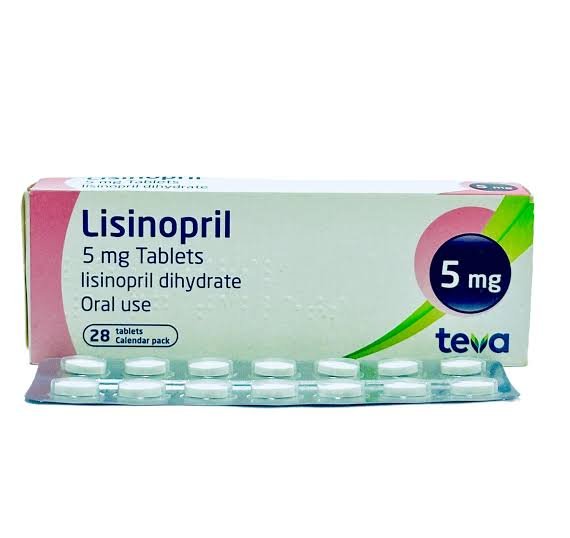
Lisinopril Tablet Uses, Side Effects, Dosage, and Price in the USA, UK, Canada, France, Germany, and Switzerland (2026 Guide)
Lisinopril is one of the most commonly prescribed medications for treating high blood pressure (hypertension) and several heart-related conditions. For millions of patients worldwide, this medicine helps lower blood pressure, reduce the risk of heart attack and stroke, and improve overall cardiovascular health. Doctors in the United States, United Kingdom, Canada, France, Germany, and Switzerland continue to prescribe lisinopril because of its proven effectiveness, affordability, and long-term safety profile when used correctly.
Whether you have recently been prescribed lisinopril or are researching it before visiting your healthcare provider, understanding how this medicine works is essential. Knowing its medical uses, proper dosage, possible side effects, interactions, precautions, and average prices across different countries can help you make informed healthcare decisions. While lisinopril is highly effective, it should always be taken exactly as prescribed because improper use can lead to complications, including excessively low blood pressure or kidney problems.
This comprehensive guide explains everything you need to know about lisinopril tablets, including how they work, who should take them, who should avoid them, and what patients can generally expect when starting treatment.
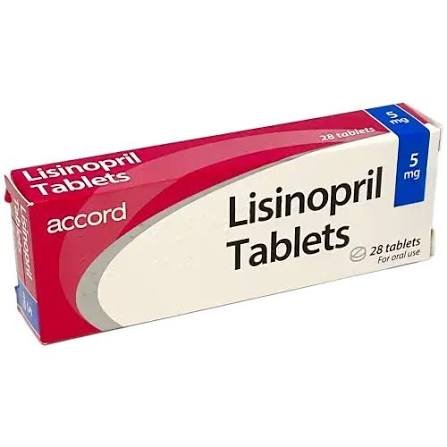
What Is Lisinopril?
Lisinopril belongs to a class of medicines known as ACE inhibitors (Angiotensin-Converting Enzyme inhibitors). ACE inhibitors help relax blood vessels by preventing the formation of angiotensin II, a hormone that causes blood vessels to tighten. When blood vessels remain relaxed, blood flows more easily throughout the body, reducing blood pressure and decreasing the workload placed on the heart.
Unlike some blood pressure medications that simply remove excess fluid, lisinopril works directly on the body’s hormone system that regulates blood pressure. Because of this mechanism, healthcare providers often prescribe it not only for hypertension but also for heart failure, kidney protection in certain patients, and recovery after a heart attack.
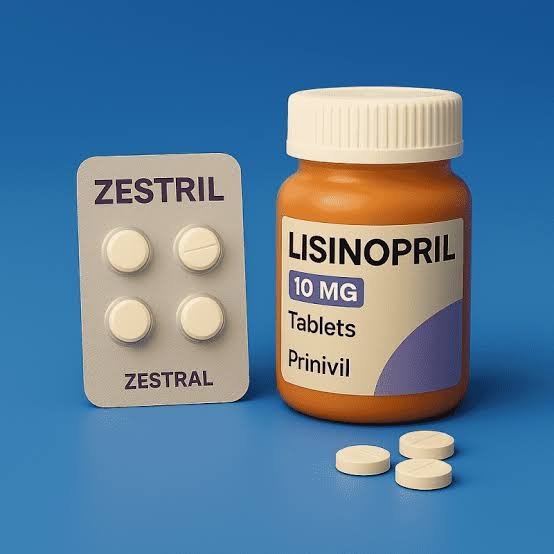
Lisinopril is available as both generic tablets and branded products in many countries. Generic versions are widely used because they provide the same active ingredient at a significantly lower cost.
Common Medical Uses of Lisinopril
Lisinopril is approved for several important medical conditions. Doctors may also prescribe it for additional conditions based on individual patient needs.
1. High Blood Pressure (Hypertension)
The most common use of lisinopril is lowering high blood pressure. Keeping blood pressure under control reduces the long-term risk of:
- Heart attack
- Stroke
- Kidney disease
- Heart failure
- Vision problems
Many patients begin noticing improvements in blood pressure within the first week, although maximum benefits often develop after several weeks of regular use.
2. Heart Failure
People with weakened heart muscles often receive lisinopril because it helps the heart pump blood more efficiently. It reduces strain on the heart and may improve symptoms such as:
- Shortness of breath
- Swollen legs
- Fatigue
- Difficulty exercising
Long-term treatment may also reduce hospital admissions related to heart failure.
3. After a Heart Attack
Doctors frequently prescribe lisinopril after a heart attack. Starting treatment within the recommended timeframe may help protect damaged heart muscle, improve recovery, and lower the risk of future cardiovascular events.
4. Kidney Protection
Patients with diabetes or chronic kidney disease may benefit from lisinopril because it can help reduce damage to the kidneys, especially when protein leakage into the urine is present.
How Lisinopril Works
Blood pressure is partly controlled by hormones produced through the renin-angiotensin-aldosterone system (RAAS). Lisinopril blocks the enzyme responsible for producing angiotensin II. As a result:
- Blood vessels widen.
- Blood pressure decreases.
- The heart pumps more efficiently.
- The kidneys experience less pressure damage.
- The heart requires less oxygen.
This mechanism explains why lisinopril is useful for several cardiovascular conditions rather than only hypertension.
Available Strengths
Lisinopril tablets are commonly available in:
| Tablet Strength | Common Use |
|---|---|
| 2.5 mg | Initial treatment or heart failure |
| 5 mg | Mild hypertension |
| 10 mg | Standard starting dose |
| 20 mg | Moderate hypertension |
| 30 mg | Dose adjustment |
| 40 mg | Maximum routine daily dose |
Doctors determine the correct dose according to age, blood pressure readings, kidney function, and other medical conditions.
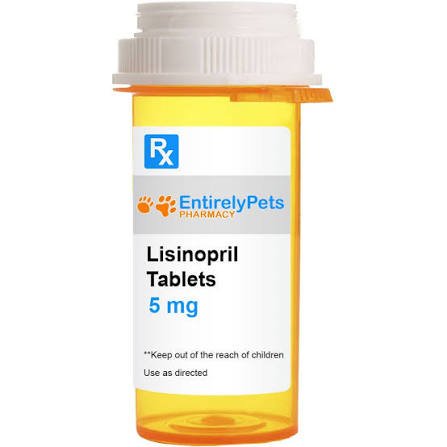
Recommended Dosage
Typical adult dosing includes:
| Condition | Typical Daily Dose |
|---|---|
| High blood pressure | 10–40 mg |
| Heart failure | 5–40 mg |
| After heart attack | As directed by a cardiologist |
| Kidney protection | Individualized |
Children and older adults may require different doses. Never adjust your dosage without consulting a healthcare professional.
How to Take Lisinopril
Lisinopril should be taken:
- Once daily.
- At the same time every day.
- With or without food.
- With a full glass of water.
If you miss a dose, take it as soon as you remember unless it is nearly time for the next scheduled dose. Do not double the dose.
Common Side Effects
Like all medicines, lisinopril can cause side effects, although many people experience few or none.
The most common side effects include:
- Dry persistent cough
- Dizziness
- Headache
- Fatigue
- Low blood pressure
- Mild nausea
These symptoms often improve as the body adjusts during the first few weeks of treatment.
Serious Side Effects
Although uncommon, serious side effects require immediate medical attention.
These include:
- Swelling of the face, lips, tongue, or throat (angioedema)
- Difficulty breathing
- Severe allergic reaction
- Chest pain
- Fainting
- Irregular heartbeat
- Very high potassium levels
- Kidney problems
- Yellowing of the skin or eyes
Stop taking the medication and seek emergency care if these symptoms occur.
Drug Interactions
Lisinopril is generally safe when used as directed, but it can interact with several prescription medicines, over-the-counter drugs, and dietary supplements. These interactions may increase the risk of side effects or reduce the medicine’s effectiveness. Before starting lisinopril, always inform your healthcare provider about every medication and supplement you take, including herbal products and vitamins.
One of the most common interactions involves nonsteroidal anti-inflammatory drugs (NSAIDs) such as ibuprofen and naproxen. Using NSAIDs regularly while taking lisinopril may reduce its blood pressure-lowering effect and, in some individuals, increase the risk of kidney problems. Occasional use may be acceptable for some patients, but long-term use should only be under medical supervision.
Another important interaction occurs with potassium supplements, salt substitutes containing potassium, and potassium-sparing diuretics such as spironolactone or amiloride. Because lisinopril can increase potassium levels, combining these products may lead to hyperkalemia, a potentially dangerous condition that can affect heart rhythm. Blood tests are often recommended to monitor potassium levels in patients taking these combinations.
Patients taking diuretics (“water pills”) may notice a greater drop in blood pressure when lisinopril is started. This can result in dizziness or fainting, especially after the first few doses. Doctors sometimes adjust the dose of one or both medicines to minimize this effect.
Other medications that may interact with lisinopril include:
- Lithium
- Aliskiren
- Angiotensin receptor blockers (ARBs)
- Certain diabetes medications
- Immunosuppressive drugs
Never start or stop a medication without consulting a healthcare professional.
Precautions Before Taking Lisinopril
Lisinopril is highly effective, but it is not suitable for everyone. Certain medical conditions require extra caution before treatment begins. Your healthcare provider may order blood tests to evaluate kidney function, electrolyte levels, and overall health before prescribing the medication.
You should inform your healthcare provider if you have:
- Kidney disease
- Liver disease
- Diabetes
- Heart valve disorders
- History of angioedema
- High potassium levels
- Severe dehydration
- Low blood pressure
- Lupus or other autoimmune diseases
Patients who experience severe vomiting, diarrhea, or excessive sweating may become dehydrated, increasing the risk of low blood pressure while taking lisinopril. Drinking adequate fluids and seeking medical advice during illness can help prevent complications.
Pregnancy and Breastfeeding
Lisinopril should not be used during pregnancy, especially during the second and third trimesters, because it can seriously harm the developing baby. Women who become pregnant while taking lisinopril should contact their healthcare provider immediately to discuss alternative treatment options.
Breastfeeding recommendations vary depending on the individual’s situation. Although small amounts of lisinopril may pass into breast milk, your healthcare provider can help determine whether another medication is more appropriate during breastfeeding.
Food and Lifestyle Considerations
One advantage of lisinopril is that it can be taken with or without food, making it easy to fit into a daily routine. However, lifestyle choices still play an important role in controlling blood pressure and improving heart health.
Patients are encouraged to:
- Eat a balanced diet rich in fruits and vegetables.
- Limit sodium intake.
- Exercise regularly as recommended by a healthcare professional.
- Maintain a healthy weight.
- Avoid smoking.
- Limit alcohol consumption.
Because lisinopril may increase potassium levels, patients should avoid consuming excessive amounts of potassium-rich supplements unless specifically instructed by their healthcare provider.
Average Lisinopril Prices in 2026
The cost of lisinopril varies depending on the country, dosage, brand, insurance coverage, and pharmacy. Generic lisinopril is widely available and is generally much more affordable than branded versions.
| Country | Estimated Generic Price* |
|---|---|
| USA | US$4–20 for 30 tablets (10–20 mg) |
| United Kingdom | £1–5 (NHS prescription charges may apply) |
| Canada | CAD 5–18 |
| France | €2–8 (often partially reimbursed) |
| Germany | €3–10 |
| Switzerland | CHF 8–20 |
*Prices are approximate and may vary depending on pharmacy, manufacturer, dosage strength, and insurance or national health coverage.
Generic lisinopril remains one of the most affordable prescription medications for long-term blood pressure management across these countries.
Storage Instructions
To maintain the effectiveness of lisinopril tablets:
- Store at room temperature.
- Keep away from excessive heat and moisture.
- Protect from direct sunlight.
- Keep in the original container with the lid tightly closed.
- Store out of the reach of children and pets.
Do not use expired medication. If tablets are no longer needed, dispose of them through an approved medicine take-back program or according to local pharmacy guidance.
Expert Advice for Patients
Healthcare professionals recommend taking lisinopril consistently at the same time every day. Blood pressure often has no obvious symptoms, so even if you feel well, continue taking the medicine unless your healthcare provider advises otherwise.
Regular follow-up appointments are important to monitor:
- Blood pressure
- Kidney function
- Potassium levels
- Overall treatment effectiveness
Home blood pressure monitoring can also help track your progress and provide valuable information to your healthcare provider.
Many patients tolerate lisinopril very well for years. If side effects such as a persistent dry cough become bothersome, your healthcare provider may recommend switching to another class of medication rather than discontinuing treatment on your own.
Conclusion
Lisinopril remains one of the most trusted and widely prescribed ACE inhibitors for treating high blood pressure, heart failure, recovery after a heart attack, and kidney protection in selected patients. Its ability to relax blood vessels, reduce cardiovascular risk, and protect vital organs has made it a cornerstone of modern cardiovascular care in the USA, UK, Canada, France, Germany, and Switzerland.
When taken exactly as prescribed, lisinopril is both effective and affordable, particularly in its generic form. Although most patients tolerate the medication well, it is important to be aware of potential side effects, drug interactions, and the need for regular monitoring of blood pressure and kidney function. Working closely with a qualified healthcare provider ensures that treatment remains safe and effective over the long term.
Frequently Asked Questions (FAQs)
1. What is lisinopril mainly used for?
Lisinopril is primarily prescribed to treat high blood pressure, heart failure, improve survival after a heart attack, and help protect kidney function in certain patients, especially those with diabetes.
2. Can I take lisinopril every day?
Yes. Lisinopril is intended for daily use and should be taken exactly as prescribed, usually once a day at the same time.
3. What is the most common side effect of lisinopril?
The most commonly reported side effect is a persistent dry cough. Other common effects include dizziness, headache, and fatigue, particularly when treatment is first started.
4. Is generic lisinopril as effective as the brand-name version?
Yes. Generic lisinopril contains the same active ingredient and must meet the same quality, safety, and effectiveness standards as the branded product.
5. Can I stop taking lisinopril if my blood pressure becomes normal?
No. Blood pressure often remains controlled because the medication is working. Stopping lisinopril without medical advice may cause blood pressure to rise again. Always consult your healthcare provider before making any changes to your treatment.