
Depression Medicine: Uses, Side Effects, and Price in the USA (2026 Complete Guide)
Understanding Depression
Depression is one of the most common mental health conditions in the world, affecting millions of people every year. It is much more than simply feeling sad or having a bad day. Depression can influence a person’s emotions, thoughts, sleep, appetite, energy level, relationships, and ability to perform everyday activities. Many people struggle silently for months or even years before seeking professional help, which can make the condition worse over time. Fortunately, modern medicine has made tremendous progress in treating depression through a combination of medication, psychotherapy, and healthy lifestyle changes.
Healthcare providers in the United States prescribe antidepressant medications when symptoms become moderate to severe or when therapy alone is not enough. These medications work by balancing important brain chemicals such as serotonin, norepinephrine, and dopamine, which play a major role in regulating mood. Although antidepressants are not a cure, they can significantly reduce symptoms and improve overall quality of life when taken correctly. Doctors usually recommend continuing treatment for several months after symptoms improve to reduce the risk of relapse. Treatment plans are individualized because the medication that works well for one person may not be the best option for another.

Types of Depression Medicines
Doctors prescribe several different classes of antidepressants depending on the patient’s symptoms, medical history, age, and potential drug interactions.
| Medicine Type | Examples | Primary Use |
|---|---|---|
| SSRIs | Sertraline, Fluoxetine, Escitalopram | First-line depression treatment |
| SNRIs | Duloxetine, Venlafaxine | Depression and anxiety |
| NDRIs | Bupropion | Depression and smoking cessation |
| TCAs | Amitriptyline | Older antidepressants |
| MAOIs | Phenelzine | Severe treatment-resistant depression |
SSRIs (Selective Serotonin Reuptake Inhibitors) are the most commonly prescribed antidepressants because they generally have fewer side effects and are considered safer than older medications. SNRIs increase both serotonin and norepinephrine, making them helpful for patients with depression accompanied by chronic pain or anxiety. Bupropion, an NDRI, works differently by increasing dopamine and norepinephrine and is less likely to cause sexual side effects. Older medicines such as TCAs and MAOIs are still effective but are usually reserved for people who do not respond to newer medications because they carry higher risks and require closer monitoring.
Common Depression Medicines in the USA
Some antidepressants are prescribed far more often than others because they have extensive research supporting their effectiveness.
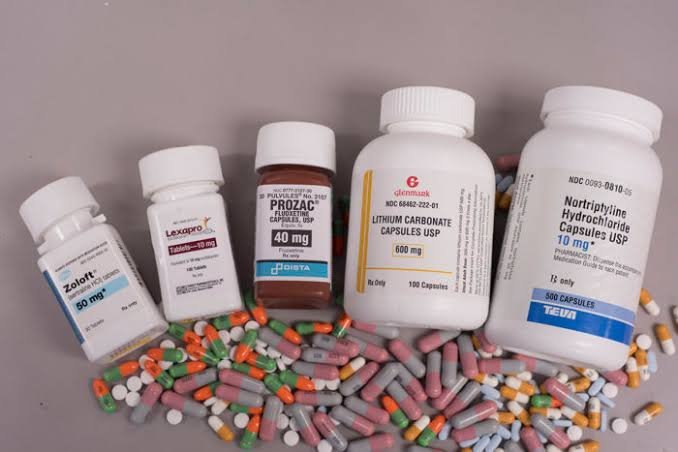
Sertraline (Zoloft) is widely prescribed for depression, anxiety disorders, PTSD, panic disorder, and obsessive-compulsive disorder.
Fluoxetine (Prozac) is another popular SSRI that is approved for major depressive disorder, obsessive-compulsive disorder, panic disorder, and bulimia nervosa.
Escitalopram (Lexapro) is highly effective for depression and generalized anxiety disorder and is often well tolerated.
Bupropion (Wellbutrin) works differently from SSRIs and is frequently chosen for patients who experience fatigue or sexual side effects with other antidepressants.
The FDA recognizes these medications as important treatment options for depression when prescribed appropriately by healthcare professionals.
Uses of Depression Medicines
Although antidepressants are primarily used for major depressive disorder, doctors prescribe them for several other medical conditions.
Approved uses include:
- Major depressive disorder
- Generalized anxiety disorder
- Panic disorder
- Obsessive-compulsive disorder (OCD)
- Post-traumatic stress disorder (PTSD)
- Social anxiety disorder
Some antidepressants are also prescribed off-label for chronic nerve pain, migraine prevention, insomnia, menopausal hot flashes, fibromyalgia, and premature ejaculation. The exact medicine depends on the patient’s symptoms and overall health. Treatment usually takes 2 to 6 weeks before significant improvement is noticed, so patients should continue taking medication as directed unless instructed otherwise by their physician.
Side Effects of Depression Medicines
Like every medication, antidepressants can produce side effects. Fortunately, many side effects improve after the first few weeks as the body adjusts.
Common side effects include:
- Nausea
- Dry mouth
- Headache
- Dizziness
- Insomnia
- Drowsiness
- Sweating
- Weight changes
- Sexual dysfunction
- Constipation
More serious but less common side effects include:
- Serotonin syndrome
- Increased suicidal thoughts in children, adolescents, and young adults
- Seizures
- Severe allergic reactions
- Abnormal bleeding
- Heart rhythm abnormalities with certain medications
Patients should never stop antidepressants suddenly because withdrawal symptoms such as dizziness, anxiety, headache, nausea, and flu-like symptoms can occur. Any medication changes should always be supervised by a healthcare professional.
Depression Medicine Prices in the USA
The cost of antidepressants varies depending on whether the medication is generic or brand-name, insurance coverage, pharmacy discounts, and dosage.
| Medicine | Generic Monthly Price | Brand Price |
|---|---|---|
| Sertraline | $4–15 | $300+ |
| Fluoxetine | $4–15 | $250+ |
| Escitalopram | $5–20 | $350+ |
| Bupropion | $5–20 | $250+ |
| Duloxetine | $10–30 | $300+ |
Generic antidepressants are widely available and usually cost less than $25 per month, with some pharmacies offering programs starting at about $4 for a monthly supply. Brand-name medications are considerably more expensive and may cost several hundred dollars without insurance. Prices vary by pharmacy and location, so comparing pharmacies or using prescription discount programs can help reduce costs.

Choosing the Right Depression Medicine
Selecting the best antidepressant depends on many factors, including symptom severity, previous response to treatment, other medical conditions, pregnancy status, potential drug interactions, and patient preference. Doctors may need to adjust the dose or switch medications if the first treatment is not effective or causes troublesome side effects. Combining medication with cognitive behavioral therapy (CBT), regular exercise, healthy nutrition, and good sleep habits often produces better long-term outcomes than medication alone. Treatment should always be individualized and monitored by a qualified healthcare provider.
Conclusion
Depression is a serious but highly treatable medical condition. Modern antidepressant medicines have helped millions of people regain their emotional well-being, improve relationships, return to work, and enjoy daily life again. SSRIs such as Sertraline, Fluoxetine, and Escitalopram remain the first choice for many patients because they are effective and generally well tolerated, while medications like Bupropion offer alternatives for specific needs. Understanding the uses, side effects, and prices of these medicines allows patients to make informed decisions together with their healthcare providers. Never start, stop, or change antidepressant medication without medical supervision.
Frequently Asked Questions
1. What is the best medicine for depression?
There is no single best medicine. SSRIs such as Sertraline and Escitalopram are often used first because they are effective for many people.
2. How long do antidepressants take to work?
Most people begin noticing improvement after 2 to 6 weeks, although full benefits may take longer.
3. Are depression medicines addictive?
Most antidepressants are not addictive, but they should not be stopped suddenly because withdrawal symptoms can occur.
4. Can antidepressants cause weight gain?
Some antidepressants may contribute to weight gain, while others have little effect or may even cause weight loss depending on the medication.
5. How much do depression medicines cost in the USA?
Generic antidepressants commonly cost $4–25 per month, while brand-name versions can cost several hundred dollars without insurance.