What is Sertraline?
Drug Class and Mechanism
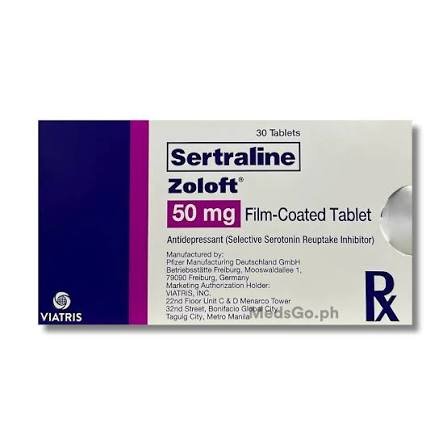
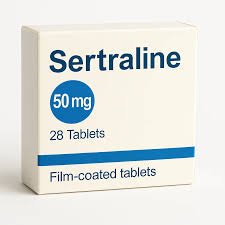
If you’ve ever heard of antidepressants, chances are sertraline popped up somewhere in that conversation. It’s one of the most commonly prescribed medications for mental health worldwide—and for good reason. Sertraline belongs to a class of drugs called Selective Serotonin Reuptake Inhibitors (SSRIs). Sounds technical, right? Think of SSRIs as mood stabilizers that help your brain keep more “feel-good” chemicals available.
Sertraline works by increasing the amount of serotonin, a neurotransmitter responsible for regulating mood, sleep, and emotions. When serotonin levels are low, people often experience depression, anxiety, or mood swings. By preventing serotonin from being reabsorbed too quickly, sertraline helps maintain balance in the brain.
What makes sertraline particularly popular is its effectiveness across multiple mental health conditions, not just depression. It’s like a multitool in psychiatric medicine—versatile, reliable, and widely trusted by doctors around the globe.
Common Brand Names
You might not always see the name “sertraline” on your prescription. Instead, it’s often sold under brand names like Zoloft (USA) or Lustral (UK). These brand names are essentially the same medication but marketed differently depending on the country.
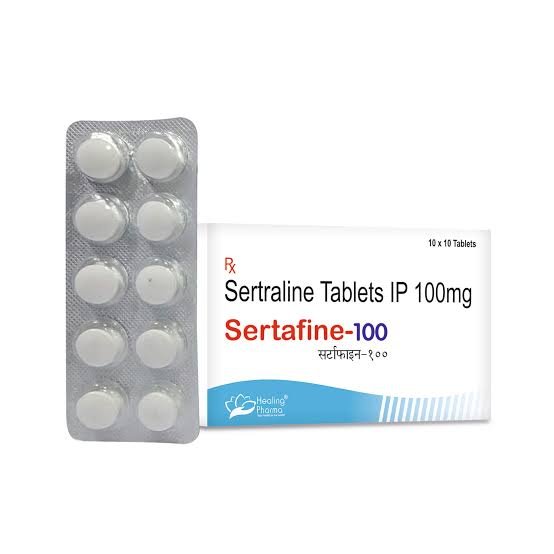
Generic versions are also widely available, making the medication more affordable. Whether you’re in the UK, USA, or Pakistan, generic sertraline is commonly prescribed and typically costs less than branded versions—something we’ll explore in detail later.
Medical Uses of Sertraline
Depression Treatment
Let’s start with the most common reason people take sertraline: major depressive disorder (MDD). Depression isn’t just feeling sad—it’s like carrying a heavy emotional weight every single day. Sertraline helps lighten that load by stabilizing mood and improving emotional resilience.
Clinical data shows that sertraline significantly improves symptoms such as low mood, lack of energy, and loss of interest in daily activities. It doesn’t work overnight, though. Most patients start noticing improvements after a few weeks, which can feel slow—but it’s part of the process.
Anxiety and Panic Disorders
Ever felt your heart racing for no reason or experienced overwhelming fear in everyday situations? That’s where sertraline shines again. It’s widely used to treat generalized anxiety disorder (GAD) and panic disorder.
Sertraline helps calm the brain’s overactive stress response. Think of it as turning down the volume on anxiety so you can function normally again. People who suffer from panic attacks often report fewer episodes and less intensity after starting the medication.
OCD, PTSD, and PMDD
Sertraline is also approved for:
- Obsessive-Compulsive Disorder (OCD)
- Post-Traumatic Stress Disorder (PTSD)
- Premenstrual Dysphoric Disorder (PMDD)
This wide range of uses makes sertraline incredibly versatile. Whether it’s intrusive thoughts, trauma-related anxiety, or severe mood swings before menstruation, this medication helps restore emotional balance.
How Sertraline Works in the Brain
Role of Serotonin
Serotonin is often called the “happiness chemical,” but it’s much more than that. It influences sleep, appetite, memory, and even digestion. When serotonin levels drop, everything feels off—like a car running low on fuel.
Sertraline ensures serotonin stays active longer in the brain, improving communication between nerve cells. This leads to better mood regulation and emotional stability.
SSRI Function Explained
Imagine your brain cells are sending messages using serotonin. Normally, once the message is delivered, serotonin gets reabsorbed quickly. Sertraline blocks this reabsorption process, allowing serotonin to stay longer and keep the message going.
This simple yet powerful mechanism is why SSRIs like sertraline are among the most prescribed antidepressants globally.
Dosage and Administration
Typical Dosage Range
Sertraline is usually prescribed in doses ranging from 50 mg to 200 mg per day, depending on the condition and patient response. Doctors typically start with a low dose and gradually increase it to minimize side effects.
How to Take It Safely
Taking sertraline isn’t complicated, but consistency is key. It’s usually taken once daily, either in the morning or evening. Skipping doses or stopping suddenly can lead to withdrawal symptoms like dizziness or irritability.
Always follow your doctor’s instructions—sertraline isn’t a “take it when you feel like it” medication. It works best when taken regularly over time.
Side Effects of Sertraline
Common Side Effects
Like any medication, sertraline comes with side effects. The good news? Most are mild and temporary.
Common side effects include:
- Nausea
- Diarrhea
- Insomnia
- Dry mouth
- Sweating
- Sexual dysfunction
Studies show that up to 26% of users experience nausea, while around 20% report diarrhea or insomnia. These symptoms usually improve within a few weeks as your body adjusts.
Serious Side Effects
Although rare, some side effects require immediate medical attention:
- Suicidal thoughts (especially under age 25)
- Serotonin syndrome (life-threatening condition)
- Severe allergic reactions
- Persistent sexual dysfunction
These risks sound scary, but they’re uncommon. Still, it’s important to stay aware and communicate with your doctor.

Warnings and Precautions
Who Should Avoid It
Sertraline isn’t suitable for everyone. People taking MAO inhibitors, or those with certain medical conditions, should avoid it due to potential dangerous interactions.
Pregnant women should also consult their doctor, as some studies suggest risks to newborns.
Drug Interactions
Mixing sertraline with other medications can lead to complications. For example:
- Blood thinners may increase bleeding risk
- Other antidepressants may trigger serotonin syndrome
- Alcohol can worsen side effects
Always inform your doctor about any medications or supplements you’re taking.
Sertraline Price Comparison
Let’s talk money—because affordability matters.
Price in USA
| Form | Average Price |
|---|---|
| Generic 50mg (30 tablets) | $4 – $15 |
| Brand (Zoloft) | $150+ |
In the USA, generic sertraline is widely available and affordable, especially with insurance.
Price in UK
| Form | Average Price |
|---|---|
| NHS Prescription | £9.90 (fixed fee) |
| Private Purchase | £5 – £20 |
The NHS system makes sertraline very accessible in the UK.
Price in Pakistan
| Form | Average Price |
|---|---|
| Local Brands | PKR 200 – 800 |
In Pakistan, generic versions are quite affordable, though prices vary depending on the manufacturer.
Tips for Managing Side Effects
Dealing with side effects can feel frustrating, but there are simple ways to manage them. For example, taking sertraline with food can reduce nausea, while adjusting the timing of your dose may help with sleep issues.
Hydration, regular exercise, and a balanced diet also make a big difference. If side effects persist, your doctor may adjust your dosage or switch medications.
Conclusion
Sertraline is more than just a pill—it’s a lifeline for millions of people dealing with depression, anxiety, and other mental health conditions. Its ability to stabilize mood and improve quality of life makes it one of the most trusted antidepressants worldwide.
While it does come with side effects, most are manageable and temporary. With proper medical guidance, sertraline can be a powerful tool in reclaiming emotional well-being.
Understanding its uses, risks, and costs helps you make informed decisions about your health. And at the end of the day, that’s what truly matters.
FAQs
1. How long does sertraline take to work?
Most people notice improvements within 2–4 weeks, but full benefits may take up to 8 weeks.
2. Can I stop sertraline suddenly?
No, stopping abruptly can cause withdrawal symptoms. Always taper under medical supervision.
3. Is sertraline addictive?
No, it’s not considered addictive, but your body can become dependent on it.
4. Can I drink alcohol while taking sertraline?
It’s best to avoid alcohol as it can worsen side effects like dizziness and drowsiness.
5. Is sertraline safe for long-term use?
Yes, many people use it long-term under a doctor’s supervision without major issues.