
Ibuprofen Tablet Uses, Side Effects, and Price in the USA
Ibuprofen is one of the most commonly used pain-relief medicines in the United States. Many people keep it in their medicine cabinet and reach for it when they have a headache, toothache, back pain, muscle pain, menstrual cramps, or fever. It belongs to a group of medicines called nonsteroidal anti-inflammatory drugs, commonly known as NSAIDs. The medicine works by reducing the production of substances involved in pain, inflammation, and fever, which is why it can be useful for several common conditions. In the USA, 200 mg ibuprofen tablets are widely available without a prescription, while stronger formulations may require medical supervision or a prescription depending on the product and dosage. Current official U.S. drug labels list ibuprofen as a pain reliever and fever reducer for temporary relief of minor aches and pains from headaches, muscular aches, backaches, toothaches, menstrual cramps, the common cold, and minor arthritis pain.
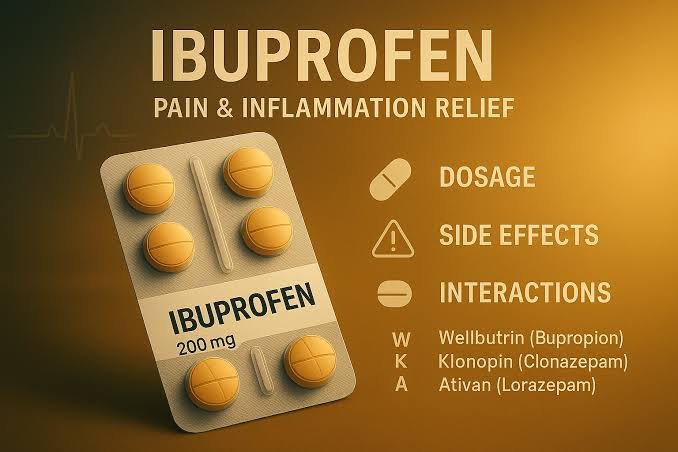
Despite being easy to buy, ibuprofen is not a harmless tablet that should be taken without thinking. Every medicine has benefits and risks, and ibuprofen is no exception. Taking too much, taking it too often, combining it with certain other medicines, or using it when you have particular health conditions can increase the risk of serious problems. Official U.S. medical information warns about potential stomach bleeding, ulcers, cardiovascular risks, allergic reactions, kidney problems, and other complications. The risk may be higher in some people, including older adults and those with a history of certain medical conditions or medication use. That does not mean everyone who takes ibuprofen will experience serious side effects, but it does mean the label directions and professional advice should be taken seriously.
This guide explains ibuprofen tablet uses, common and serious side effects, typical prices in the USA, important safety warnings, and practical information about responsible use. If you are searching for the price of ibuprofen in America, remember that there is no single nationwide price. Costs can change depending on the brand, dosage, number of tablets, pharmacy or retailer, insurance coverage, discounts, and location. Generic store-brand ibuprofen is generally less expensive than well-known branded products. For example, a 2026 U.S. OTC catalog lists some 100-count generic 200 mg ibuprofen products at $9, while the same catalog lists a 50-count Advil 200 mg product at $9 and a larger branded product at a higher price, illustrating how brand and package size can affect what consumers pay. These examples are not universal retail prices, and actual prices can change.
What Is Ibuprofen?
Ibuprofen is an NSAID used to reduce pain, inflammation, and fever. NSAIDs work differently from some other types of pain medicine because they affect chemicals involved in the body’s inflammatory response. Think of inflammation as part of the body’s alarm system. When tissue is injured or irritated, the body can release chemical signals that contribute to swelling, tenderness, and pain. Ibuprofen helps reduce some of these signals, which is why it can be helpful when pain is connected with inflammation. It is commonly sold in tablet, caplet, capsule, softgel, chewable, and liquid forms, among others. The exact product instructions can differ, so the directions on the package or prescription label always matter.
In the United States, many adults are familiar with the standard 200 mg over-the-counter ibuprofen tablet. However, ibuprofen products are not all identical. Different products may contain different strengths, ingredients, formulations, or combinations with other medicines. Prescription ibuprofen is also used for conditions requiring professional evaluation, including certain forms of arthritis and mild to moderate pain. Current U.S. drug information identifies prescription ibuprofen for relief of signs and symptoms associated with rheumatoid arthritis and osteoarthritis, mild to moderate pain, and primary dysmenorrhea, which refers to menstrual pain.
The important point is simple: a familiar medicine can still cause problems if used incorrectly. A tablet being available without a prescription does not mean that taking extra tablets will produce better results without additional risk. It is better to use the lowest effective amount for the shortest appropriate period and to follow the product label or a healthcare professional’s instructions. This approach becomes especially important for people who take ibuprofen regularly or who already use other medicines.
Ibuprofen Tablet Uses
One of the biggest reasons ibuprofen remains popular is its broad range of approved and commonly recognized uses. Official OTC labels in the United States state that ibuprofen can temporarily relieve minor aches and pains and reduce fever. These aches and pains may include headaches, toothaches, muscular aches, backaches, menstrual cramps, discomfort associated with the common cold, and minor arthritis pain. The medicine can therefore be useful in situations where pain or inflammation is making everyday activities uncomfortable.
Headache and Minor Body Pain
Many people use ibuprofen when a headache begins to interfere with work, study, travel, or sleep. It may also be used for temporary relief of muscular aches and other minor body pain. For example, soreness after physical activity or discomfort caused by everyday strain may lead some people to consider an OTC pain reliever. Ibuprofen may reduce the pain and inflammation involved in these situations, but it should not be used to ignore severe, unexplained, or repeatedly occurring symptoms. If headaches or body pain happen frequently, become unusually severe, or change suddenly, the underlying cause may need medical attention rather than repeated self-treatment.
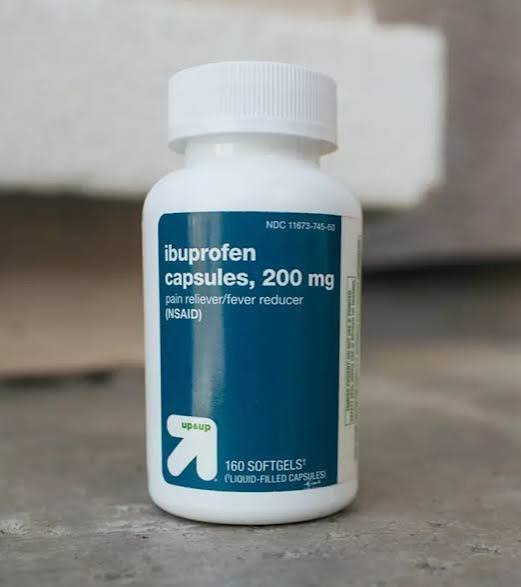
Toothache and Backache
Official OTC labeling also includes temporary relief of toothache and backache. A tablet may help reduce discomfort, but it does not necessarily solve the cause of the problem. A toothache caused by infection, decay, or another dental condition still requires proper dental care. Similarly, back pain may result from a simple muscle strain, but it can sometimes signal a more serious issue. Ibuprofen can act like a temporary volume control for pain, turning down the discomfort, but it does not automatically repair whatever caused the pain in the first place.
Menstrual Cramps
Ibuprofen is also widely used for menstrual cramps. Prescription information and OTC labels recognize its role in pain relief, including primary dysmenorrhea. Menstrual cramps can involve substances that contribute to uterine contractions and pain, and an NSAID such as ibuprofen may help reduce that discomfort. People experiencing unusually severe cramps, excessive bleeding, new symptoms, or pain that does not respond to ordinary treatment should speak with a healthcare professional because conditions such as endometriosis, fibroids, or other problems may need evaluation.
Minor Arthritis Pain
For some people, ibuprofen may provide temporary relief from minor arthritis pain. Inflammation can contribute to joint discomfort and stiffness, making NSAIDs useful in certain situations. Prescription ibuprofen is also indicated for the signs and symptoms of rheumatoid arthritis and osteoarthritis under medical guidance. Long-term pain management deserves extra caution, however. Using an NSAID regularly over a long period can increase certain risks, and a healthcare professional can help determine whether ibuprofen is appropriate and whether another treatment plan may be safer.
Fever Reduction
Another common use is temporary reduction of fever. Fever is a symptom rather than a disease, so reducing the temperature does not necessarily identify or treat the underlying cause. A mild fever associated with a common viral illness may be managed differently from a persistent or very high fever. The age of the patient, duration of symptoms, accompanying symptoms, and overall health all matter. For children, caregivers should use age-appropriate products and follow the package directions carefully rather than simply estimating a dose based on an adult product. MedlinePlus also warns that some combination cough and cold products containing ibuprofen can be dangerous for young children.
Common Side Effects of Ibuprofen
Not everyone experiences side effects, and many people take ibuprofen without major problems when they use it as directed. Still, understanding possible reactions is important. MedlinePlus lists side effects that may include constipation, gas or bloating, dizziness, nervousness, and ringing in the ears. Some people may also experience stomach discomfort, which is one reason product instructions and healthcare professionals may recommend taking certain formulations with food or milk when appropriate. A mild side effect may disappear, but persistent or troublesome symptoms should not simply be ignored.
The digestive system deserves particular attention because NSAIDs can irritate the gastrointestinal tract. A person may notice indigestion or stomach discomfort before any serious complication develops, although serious bleeding can sometimes occur without much warning. This is why taking more tablets than directed is a bad strategy. Pain may tempt someone to think, “If one dose helps, more must help even more,” but medicine does not work like turning up the volume on a speaker. At a certain point, increasing the amount can raise the danger without providing a proportional benefit.
Serious Ibuprofen Side Effects and Warnings
The most important safety information about ibuprofen involves potentially serious side effects. NSAID use can increase the risk of heart attack, stroke, and other cardiovascular problems, and official information warns that these events can be fatal. The risk may increase with higher doses or longer use, although individual risk depends on many factors. People with cardiovascular disease or relevant risk factors should discuss ibuprofen use with a healthcare professional, especially when considering frequent or long-term use. MedlinePlus specifically warns that NSAID-related cardiovascular events can occur without warning.
Ibuprofen can also cause stomach ulcers, gastrointestinal bleeding, or perforation, which can be life-threatening. Official warnings identify factors that may raise the risk, including older age, a history of ulcers or bleeding problems, long-term or excessive use, and use with certain medicines such as anticoagulants or steroids. Daily alcohol consumption can also be relevant according to OTC product warnings. Signs requiring urgent medical attention can include vomiting blood or material that resembles coffee grounds, black or bloody stools, or significant stomach pain. These are not symptoms to wait out at home.
A severe allergic reaction is another possible emergency. Current U.S. OTC labels warn about symptoms such as hives, facial swelling, wheezing, rash, blisters, skin reddening, and shock. Anyone who develops signs of a severe allergic reaction after taking ibuprofen should stop using it and seek immediate medical help. People with a known allergy to ibuprofen or a history of certain allergic-type reactions to aspirin or other NSAIDs should discuss alternatives with a healthcare professional.
Other potentially serious symptoms listed in medical information include breathing difficulties, swelling, unusual weight gain, yellowing of the skin or eyes, unusual tiredness, changes in urination, bloody or discolored urine, and significant skin reactions. These symptoms can be associated with serious complications and should be evaluated promptly. The goal is not to frighten every person away from ibuprofen. The goal is to make sure that convenience does not replace caution. A medicine can be useful and still deserve respect.
Who Should Be Careful Before Taking Ibuprofen?
People with a history of stomach ulcers or gastrointestinal bleeding should be especially cautious. The same applies to individuals taking blood thinners, steroids, or certain other medicines that may increase bleeding risks or interact with ibuprofen. Taking multiple NSAIDs at the same time can also be dangerous because products may contain overlapping ingredients. For example, someone could accidentally take ibuprofen separately while also using a cold medicine or another pain product containing an NSAID. Reading the active-ingredient label is one of the simplest ways to avoid an accidental double dose.
People with heart disease, a previous heart attack, stroke risk factors, high blood pressure, kidney disease, liver disease, heart failure, asthma associated with NSAID sensitivity, or certain other conditions should seek professional advice before using ibuprofen regularly. MedlinePlus also advises against taking an NSAID such as ibuprofen around coronary artery bypass graft surgery unless specifically directed by a doctor. Age can matter too, as older adults may face higher risks from some NSAID complications.
Pregnancy is another situation requiring particular care. MedlinePlus states that ibuprofen may harm the fetus and cause problems with delivery if taken around 20 weeks of pregnancy or later, unless specifically directed by a healthcare professional. Anyone who is pregnant, planning pregnancy, or concerned about medication safety during pregnancy should obtain individualized medical advice rather than relying on general internet information.
How to Take Ibuprofen Safely
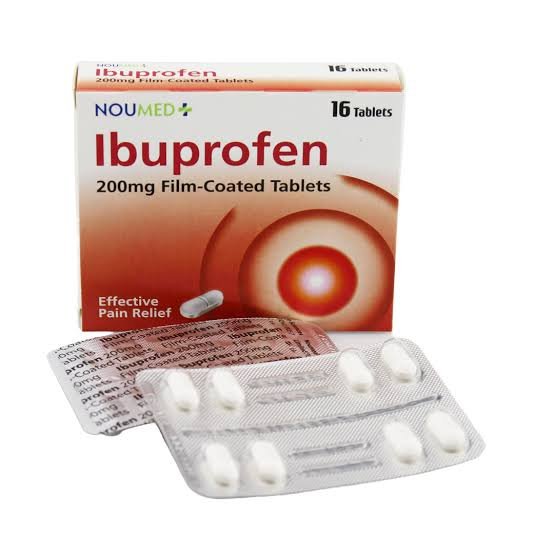
Safe use begins with reading the Drug Facts label or prescription instructions. Different ibuprofen products may have different directions, strengths, and age recommendations. For standard OTC products, adults and children over 12 may generally use ibuprofen according to the package instructions, while children require products and dosing appropriate to their age and weight. Do not use another person’s prescription directions as a substitute for your own instructions. A prescription-strength treatment plan is not automatically appropriate for an OTC user.
MedlinePlus advises taking ibuprofen exactly as directed and not taking more or using it more often than recommended. It also notes that adults and children over 12 may generally take nonprescription ibuprofen every four to six hours as needed, with the specific label setting the limits for the product. Because instructions vary, the actual package directions should always control for the exact product in your hand. If pain continues for an extended period or fever persists, consult a healthcare professional rather than automatically extending self-treatment.
Avoid combining ibuprofen with another product containing ibuprofen or another NSAID unless a healthcare professional has advised you to do so. This includes checking combination cold and flu products carefully. If you take prescription medicines, supplements, or other OTC drugs, a pharmacist can help identify possible interactions. Asking a pharmacist can take only a few minutes and may prevent a potentially dangerous combination.
Ibuprofen Tablet Price in the USA
The price of ibuprofen in the USA varies considerably. Generic ibuprofen is usually inexpensive, particularly when purchased in larger packages, while branded versions may cost more. The exact price can depend on whether you buy a generic or brand-name product, the number of tablets, the retailer, sales and discounts, insurance arrangements, and local pricing. Because retailers update prices frequently, any specific price should be treated as a snapshot rather than a permanent national rate.
Current 2026 OTC catalog examples illustrate this variation. One catalog lists generic ibuprofen 200 mg caplets, 100 count, at $9, while other ibuprofen packages in the same catalog vary by size and formulation. Another 2026 catalog lists Advil 200 mg tablets, 50 count, at $9, while a larger 160-count Advil Liqui-Gels Mini package is listed at $23. These figures demonstrate how the number of doses, brand, and formulation can affect the price. They should not be interpreted as the exact price at every U.S. pharmacy or store because retail prices and availability can change.
| Ibuprofen Product Example | Package Size | Example 2026 Catalog Price |
|---|---|---|
| Generic ibuprofen 200 mg caplets | 100 count | $9 |
| Generic ibuprofen 200 mg tablets | 50 count | $5 |
| Advil 200 mg tablets | 50 count | $9 |
| Advil Liqui-Gels Mini 200 mg | 160 count | $23 |
When comparing prices, look beyond the sticker price and consider the cost per tablet or dose. A larger bottle may appear more expensive but cost less per tablet. On the other hand, buying a huge package does not make sense if you rarely use the medicine or if it could expire before you need it. Generic ibuprofen generally contains the same active ingredient and strength stated on its label as the equivalent product it is approved to represent, but the inactive ingredients and formulation may differ. If you have allergies or sensitivities, check the complete label rather than comparing products only by price.
Prescription ibuprofen can have a completely different pricing structure because the cost may depend on the prescribed strength, pharmacy, insurance plan, deductible, generic availability, and discount programs. Ask a pharmacist about the current cash price and generic options if cost is a concern. The cheapest option is not always the best option for every person, particularly when medical conditions, allergies, formulation needs, or other medicines must be considered.
Ibuprofen vs. Other Pain Relievers
Ibuprofen is often compared with other OTC pain relievers, but no single medicine is automatically best for everyone. The right choice depends on the type of pain, a person’s health history, age, other medicines, and individual risks. Some pain relievers do not belong to the NSAID class and therefore have a different safety profile. That does not make them universally safer; it simply means the potential benefits and risks are different.
For inflammation-related discomfort, an NSAID may sometimes be useful. However, people at higher risk of stomach bleeding, cardiovascular complications, kidney problems, or NSAID-related allergic reactions may need a different approach. A pharmacist or doctor can help match the treatment to the person rather than relying on brand familiarity. It is easy to think of OTC medicine as a one-size-fits-all shelf solution, but the better analogy is choosing the right tool from a toolbox. A hammer is useful, but not every problem is a nail.

When Should You Seek Medical Help?
Seek emergency medical help for signs of a severe allergic reaction, serious breathing problems, chest pain, symptoms of a possible stroke, or signs of serious gastrointestinal bleeding. MedlinePlus specifically identifies symptoms such as chest pain, shortness of breath, weakness on one side of the body, slurred speech, bloody vomit, and black or tarry stools as serious warning signs requiring immediate attention.
You should also contact a healthcare professional if pain keeps returning, becomes more severe, or does not improve as expected. The same principle applies to fever that persists or is accompanied by concerning symptoms. Repeatedly taking pain medicine without understanding why symptoms continue can mask a problem that needs treatment. Pain is sometimes the body’s warning light, and while ibuprofen may dim the light, it does not always fix the engine underneath.
Conclusion
Ibuprofen tablets are widely used in the USA for temporary relief of headaches, toothaches, muscular aches, backaches, menstrual cramps, minor arthritis pain, discomfort associated with the common cold, and fever. Official U.S. drug information confirms these uses and also makes clear that ibuprofen can cause significant side effects in some situations. The most important risks include stomach bleeding, ulcers, cardiovascular events, severe allergic reactions, and complications involving organs such as the kidneys or liver. The chance of serious problems can be affected by the dose, duration of use, age, health conditions, alcohol use, and other medicines.
The typical price of ibuprofen in the United States depends heavily on the brand and package size. Current 2026 catalog examples show generic 200 mg products and branded products ranging from several dollars to more than $20 for larger or specialized packages, but local prices can change. The smartest approach is to compare current prices, read the active-ingredient label, and avoid buying solely based on a familiar brand name or the lowest price. Most importantly, use ibuprofen only as directed and seek advice from a doctor or pharmacist when you have medical conditions, take other medicines, are pregnant, or need frequent pain relief.
FAQs
1. What are ibuprofen tablets used for?
Ibuprofen tablets are used to temporarily relieve minor aches and pains, including headaches, toothaches, backaches, muscular aches, menstrual cramps, common-cold-related aches, and minor arthritis pain. They are also used to temporarily reduce fever. Prescription ibuprofen may be used under medical supervision for additional conditions, including osteoarthritis, rheumatoid arthritis, mild to moderate pain, and primary dysmenorrhea.
2. What are the common side effects of ibuprofen?
Possible side effects listed by MedlinePlus include constipation, gas or bloating, dizziness, nervousness, and ringing in the ears. Some people may also experience digestive discomfort. Serious symptoms, persistent problems, or unusual reactions should be discussed with a healthcare professional.
3. Can ibuprofen cause serious side effects?
Yes. Serious risks can include stomach bleeding, ulcers, cardiovascular events such as heart attack or stroke, severe allergic reactions, and other serious complications. The risk can be higher for certain individuals and may increase when the medicine is taken in excessive amounts or for longer than directed.
4. How much does ibuprofen cost in the USA?
There is no single national price. Prices vary by retailer, brand, package size, and formulation. Examples from 2026 OTC catalogs include some generic 100-count 200 mg ibuprofen products at $9, a 50-count generic package at $5, and a 50-count Advil 200 mg package at $9, while larger branded packages can cost more. Actual store prices may differ and can change over time.
5. Who should avoid or ask a doctor before taking ibuprofen?
People with a history of stomach ulcers or bleeding, heart disease, kidney or liver disease, certain asthma or NSAID allergies, or those taking blood thinners, steroids, or certain other medicines should ask a healthcare professional before using ibuprofen, particularly for regular use. People who are pregnant should also seek medical advice, especially around or after 20 weeks of pregnancy.
Disclaimer
This article is for general informational and educational purposes only and does not provide medical advice, diagnosis, or treatment. It should not replace advice from a qualified doctor, pharmacist, or other healthcare professional. Medicine prices in the USA can change by retailer, location, package size, insurance coverage, and other factors, so always check the current price before purchasing. Do not start, stop, or change the way you use ibuprofen based solely on information in this article. Always read the product label and follow the directions provided with the exact medicine you are using. Seek immediate medical attention for signs of a severe allergic reaction, serious bleeding, chest pain, stroke symptoms, or other medical emergencies.