
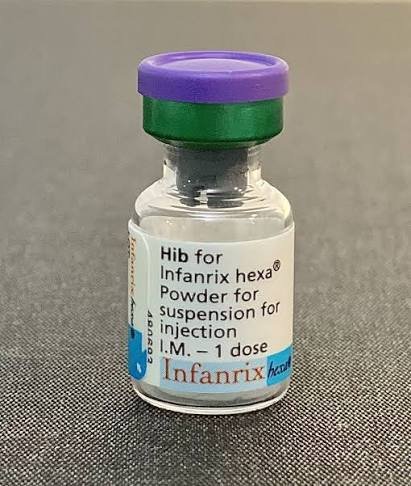
Haemophilus b Conjugate Vaccine: Uses, Side Effects and Price in the USA
The Haemophilus influenzae type b vaccine, commonly called the Hib vaccine or Haemophilus b conjugate vaccine, is an important childhood vaccine used to protect against serious disease caused by Haemophilus influenzae type b bacteria. Despite its name, this bacterium is not the same as the influenza virus that causes seasonal flu. Before Hib vaccination became widely used, Hib disease was a major cause of severe bacterial infections in young children, including meningitis and other potentially life-threatening illnesses. Today, routine vaccination has dramatically reduced the risk of Hib disease in the United States.
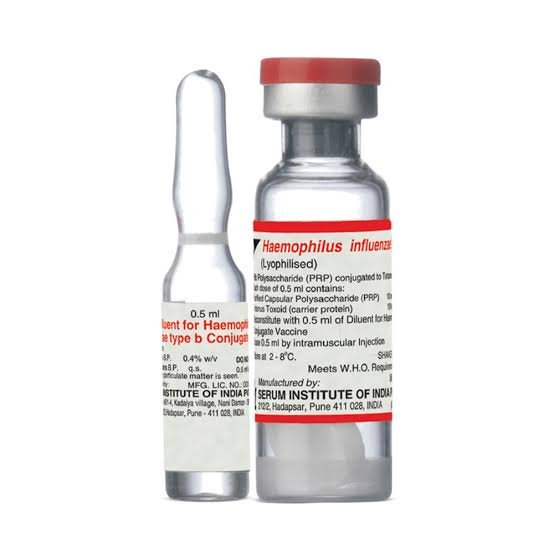
Parents often search for information about Haemophilus b conjugate vaccine uses, side effects, and price in the USA because vaccine information can feel confusing. Different brands and combination vaccines are available, prices may vary depending on insurance and the healthcare provider, and parents naturally want to understand possible reactions before their child receives a vaccine. The good news is that the CDC recommends Hib vaccination for children younger than 5 years, and the most commonly reported side effects are generally mild, such as redness or swelling at the injection site and fever.
This article explains what the Hib conjugate vaccine is, what it is used for, who may need it, possible side effects, and what the vaccine may cost in the United States. Because healthcare recommendations and vaccine prices can change, always discuss your child’s individual situation with a qualified healthcare professional.
What Is the Haemophilus b Conjugate Vaccine?
The Haemophilus b conjugate vaccine protects against disease caused by Haemophilus influenzae type b, usually shortened to Hib. Hib is a type of bacteria that can cause serious invasive infections, particularly in babies and young children. The word conjugate refers to the way the vaccine is designed: a component related to the Hib bacterium is linked to a protein carrier to help the immune system develop a stronger protective response. Think of it as giving the immune system a clearer picture of what it needs to recognize and fight in the future.
Hib disease should not be confused with ordinary influenza. The similarity in the name comes from historical reasons, but Hib bacteria and influenza viruses are completely different organisms. Hib can invade normally protected parts of the body and cause severe illness. Before routine Hib vaccination, the bacteria were an important cause of bacterial meningitis among young children in the United States. Vaccination changed that picture substantially by preventing many cases before the infection could begin.
Several Hib-containing vaccines and vaccine combinations have been used in the United States. Some products are designed specifically for Hib protection, while others combine Hib protection with vaccines against additional diseases. The exact product and schedule used can depend on the child’s age, vaccination history, healthcare provider, and current immunization recommendations. CDC information states that children generally need multiple Hib doses, while older children and adults usually do not need routine Hib vaccination unless certain medical conditions or other circumstances apply.
What Is the Haemophilus b Conjugate Vaccine Used For?
The main use of the Hib conjugate vaccine is the prevention of serious infections caused by Haemophilus influenzae type b. These infections can affect different parts of the body and may become dangerous quickly, especially in young children. Hib disease can cause bacterial meningitis, which is an infection involving the tissues surrounding the brain and spinal cord. It can also cause infections of the bloodstream, joints, lungs, throat, and other body tissues. Prevention is especially valuable because some Hib infections can lead to severe complications even when medical treatment is provided.
The vaccine works by training the immune system to recognize important features of the Hib bacterium. If the vaccinated person’s body encounters the bacteria later, the immune system has a better chance of responding effectively. Vaccination is therefore not a treatment for an active Hib infection. It is a preventive measure designed to reduce the risk of disease before exposure occurs. This difference matters because antibiotics and emergency medical treatment may be necessary when someone already has a serious bacterial infection.
The CDC recommends Hib vaccination routinely for children younger than 5 years. Older children and adults generally do not require routine Hib vaccination, although certain people with specific medical conditions may be advised to receive it. A healthcare professional can determine whether additional Hib vaccination is appropriate based on age, medical history, previous doses, and individual risk.
Protection Against Serious Hib Disease
One of the biggest reasons for Hib vaccination is the prevention of invasive Hib disease. The word invasive means that the bacteria have entered parts of the body where they can cause particularly serious infection. For example, bacteria entering the bloodstream can spread throughout the body, while infection involving the tissues around the brain can become a medical emergency. Young children are particularly important to protect because their immune systems are still developing.
The Hib vaccine does not simply aim to reduce mild symptoms. Its major public-health purpose is to prevent severe disease and its potentially serious consequences. This is why routine childhood vaccination schedules include Hib protection during early life, when children are among the groups most vulnerable to severe Hib infection. CDC describes Hib vaccination as safe and effective and recommends it as part of routine protection for eligible children.
Prevention of Hib Meningitis
Hib meningitis is one of the serious illnesses that Hib vaccination helps prevent. Meningitis can involve inflammation or infection affecting the protective tissues surrounding the brain and spinal cord. Bacterial meningitis can be severe and requires prompt medical attention. Preventing an infection of this type is obviously preferable to relying only on treatment after illness has already developed.
This is one reason childhood vaccination is sometimes compared to installing a smoke alarm before a fire starts. The goal is preparation rather than waiting for danger to appear. The Hib conjugate vaccine helps prepare the immune system in advance, reducing the opportunity for Hib bacteria to cause serious invasive disease. Parents should still seek urgent medical care if a child develops concerning symptoms, because no vaccine replaces medical evaluation when serious illness is suspected.
Who Should Receive the Hib Vaccine?
According to CDC guidance, all children younger than 5 years old should receive Hib vaccination as recommended in the childhood immunization schedule. Multiple doses are generally needed, with the number and timing depending partly on the specific vaccine product used. Some children may receive Hib as a standalone vaccine, while others may receive it as part of a combination vaccine that protects against several diseases during one vaccination visit.
The exact schedule should be confirmed with a child’s healthcare provider because vaccine schedules can differ by product and an individual child’s previous vaccination history. Missing or delayed doses do not necessarily mean protection is impossible to complete; healthcare professionals can use catch-up schedules when appropriate. Parents should keep an accurate vaccination record and share it when changing doctors or moving to another state.
Older children and adults usually do not need routine Hib vaccination. However, the CDC notes that some people with certain medical conditions may be recommended to receive Hib vaccine. Individual circumstances can matter, so adults and parents of children with complex medical histories should ask a qualified clinician whether Hib vaccination is indicated.
Haemophilus b Conjugate Vaccine Side Effects
Like medicines and other vaccines, the Hib vaccine can cause side effects. Most commonly reported reactions are mild and temporary. CDC lists redness, warmth, or swelling where the shot is given, fever, and irritability among common reactions associated with Hib vaccination. These effects generally reflect the body’s response following vaccination and often resolve without causing long-term problems.
A child may be a little uncomfortable after receiving an injection, and parents may notice soreness or localized changes around the injection area. Fever can also occur. The exact reaction varies from person to person: some children may have no noticeable symptoms, while others may temporarily become more irritable or uncomfortable. Parents who are concerned about symptoms after vaccination should contact their healthcare provider for advice rather than assuming that every reaction is normal or harmless.
Serious reactions are rare, but severe allergic reactions can occur after vaccination. CDC lists warning signs such as hives, swelling of the face or throat, difficulty breathing, a fast heartbeat, dizziness, or weakness. These symptoms require urgent medical attention.
Common Mild Side Effects
The most common Haemophilus b vaccine side effects are usually related to the injection site or a mild general reaction. Redness, warmth, and swelling can occur where the vaccine is administered. Some children may develop a fever, and irritability can also occur. CDC describes these commonly reported reactions as generally mild and likely to go away on their own.
Even mild reactions can feel worrying to a parent, especially after a baby’s first vaccinations. Monitoring the child and following advice from the healthcare provider can help parents understand what to expect. Do not give medications solely based on internet advice without considering the child’s age, health condition, allergies, and the clinician’s recommendations. If a reaction seems unusual, severe, persistent, or concerning, contacting a healthcare professional is the safest approach.
Rare but Serious Allergic Reactions
Severe allergic reactions following vaccination are considered rare, but they can be life-threatening. Emergency symptoms may include difficulty breathing, swelling of the face or throat, widespread hives, rapid heartbeat, dizziness, or weakness. If these symptoms occur, emergency medical care is needed immediately. CDC’s Hib Vaccine Information Statement advises calling 911 and getting the person to the nearest hospital if signs of a severe allergic reaction appear.
Healthcare providers also evaluate a person’s history before vaccination. Someone who previously experienced a severe allergic reaction to a vaccine component or an earlier dose may need special medical guidance. Parents should tell the provider about known allergies, significant prior vaccine reactions, and relevant medical conditions before the vaccine is administered. Open communication is important because vaccination decisions should consider the individual patient rather than relying only on general information found online.
When Should You Call a Doctor After Hib Vaccination?
Parents should contact a healthcare professional when they are worried about a child’s condition after vaccination. Mild redness or a temporary fever may occur, but the intensity, duration, and combination of symptoms can matter. If a child appears seriously unwell, develops symptoms that seem severe, or has a reaction that concerns the parent, professional medical advice should be sought.
Emergency symptoms should never be ignored. Signs of a possible severe allergic reaction include hives, swelling of the face or throat, difficulty breathing, a fast heartbeat, dizziness, or weakness. In the United States, CDC guidance states that people should call 911 and seek emergency care if these signs occur after vaccination.
Healthcare professionals and vaccine manufacturers are required to report certain adverse events to the Vaccine Adverse Event Reporting System, known as VAERS, and patients or caregivers can also submit reports for health problems following vaccination. A VAERS report does not by itself prove that a vaccine caused the event; the system is used as part of vaccine safety monitoring and early warning efforts.
Haemophilus b Conjugate Vaccine Price in the USA
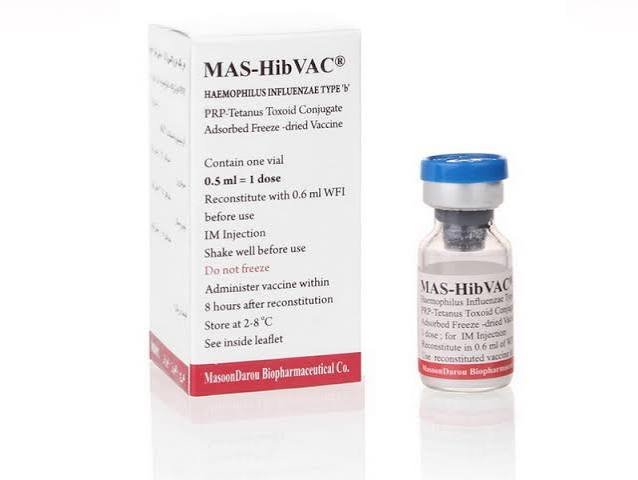
The price of a Hib vaccine in the USA can vary considerably. A vaccine’s listed private-sector price is not necessarily the same amount a parent pays at a doctor’s office or pharmacy. Insurance coverage, administration fees, clinic charges, state programs, combination vaccines, and eligibility for public vaccination programs can all affect the final out-of-pocket cost.
CDC’s vaccine price information distinguishes between CDC contract prices and private-sector prices. CDC specifically explains that private citizens and private providers cannot directly purchase vaccines through CDC contracts and that the published prices do not represent every possible vaccine presentation available in the United States. In other words, a listed manufacturer price should be treated as a useful reference point rather than a guaranteed bill for every patient.
Recent CDC price-list information has shown standalone Hib vaccine private-sector prices in the range of roughly $13 to $31 per dose, depending on the product. Combination vaccines containing Hib can have substantially higher listed prices because they provide protection against multiple diseases in one product. Actual patient costs may be lower, higher, or fully covered depending on insurance and eligibility.
| Hib Vaccine Product | Example CDC-Listed Private-Sector Price per Dose* |
|---|---|
| PedvaxHIB | $31.47 |
| ActHIB | $13.41 |
| Hiberix | $13.17 |
*These are CDC-listed private-sector reference prices from the available CDC price list and do not necessarily equal the amount an individual patient pays. Prices and availability can change.
Why Hib Vaccine Prices Can Be Different
Why might one parent pay nothing while another sees a charge on a medical bill? The answer often comes down to how vaccines are financed and delivered. Many children receive recommended vaccines through health insurance with little or no out-of-pocket expense, depending on the plan and applicable coverage rules. Other families may qualify for programs designed to help children receive vaccines when their families cannot afford them.
The Vaccines for Children (VFC) Program provides vaccines for children whose parents or guardians may not be able to afford them, according to the CDC. Eligibility requirements apply, and the program is administered through participating providers and public health systems. Families should ask their child’s doctor, local health department, or participating vaccination provider whether the child qualifies and whether any administration fees may apply.
Combination vaccines can also change pricing. For example, a vaccine that includes Hib protection along with protection against other diseases may have a higher per-dose product price than a standalone Hib vaccine. That does not automatically mean it is more expensive for a patient because insurance coverage and the number of injections involved can affect the overall cost. A healthcare provider can explain which recommended product is appropriate and what the expected charges may be.
Can Adults Get the Haemophilus b Vaccine?
Most healthy adults do not routinely need the Hib vaccine. CDC guidance states that older children and adults usually do not need Hib vaccination, although people with certain medical conditions may be advised to receive it. This is one of the reasons people should not assume that every childhood vaccine is routinely repeated during adulthood. Vaccine recommendations depend on the disease, age, previous immunization, underlying conditions, and other risk factors.
Adults with specific health circumstances should discuss their needs with a healthcare professional. A doctor can review the person’s medical history and determine whether Hib vaccination is recommended. This individualized approach is particularly important because the reason for vaccination may differ from routine childhood prevention. Trying to self-select vaccines based only on a general online article is not a substitute for medical advice.
If you are an adult wondering whether you need Hib vaccination, bring your vaccination record and relevant medical information to your healthcare appointment. The provider can determine whether you have an indication for the vaccine and which product or schedule, if any, is appropriate.
Important Things to Tell Your Healthcare Provider Before Vaccination
Before receiving any vaccine, patients or parents should provide relevant medical information to the healthcare professional. This may include previous severe allergic reactions, serious reactions following earlier vaccinations, and significant current or past health issues. The provider uses this information to determine whether vaccination should proceed normally, be delayed, or require additional precautions.
A person who is moderately or severely ill may sometimes need to postpone vaccination until they recover, depending on the situation and the clinician’s assessment. A minor illness does not always prevent vaccination, but the decision should be made with appropriate medical guidance. Parents should not hide symptoms or assume that every cough, fever, or illness is irrelevant before a vaccination appointment.
Accurate information helps the healthcare team make safer decisions. Bring an immunization record whenever possible and ask questions about the specific vaccine being administered. Knowing whether the child is receiving a standalone Hib vaccine or a combination product can make it easier to understand the expected schedule and possible reactions.
Is the Hib Conjugate Vaccine Safe?
No medical product is completely free from risk, but the CDC describes the Hib vaccine as safe and effective for preventing Hib disease. The common side effects reported are generally mild, while severe allergic reactions are rare. Vaccine safety is also monitored through multiple systems, including VAERS, which helps identify potential safety concerns that may require further investigation.
It is helpful to think about safety in terms of both vaccine reactions and the disease the vaccine is designed to prevent. A decision should not focus only on the possibility of a sore arm or temporary fever while ignoring the serious complications that Hib infection can cause. Healthcare professionals evaluate benefits and risks using clinical evidence, disease patterns, vaccine studies, and ongoing safety monitoring.
Parents who have questions about a specific child’s risk should discuss them directly with a pediatrician or another qualified healthcare professional. Online information can explain general facts, but it cannot examine the child, review a complete medical history, or make an individualized recommendation.
Hib Vaccine and Combination Vaccines
The Hib component may sometimes be included in a combination vaccine. Combination products can protect against multiple diseases with fewer separate injections. CDC notes, for example, that Vaxelis is used in young children to protect against Hib disease as well as diphtheria, tetanus, pertussis, polio, and hepatitis B.
This approach can simplify vaccination visits, although the recommended schedule and age indications depend on the specific product. A combination vaccine should not be viewed simply as “more vaccine” in a negative sense; it is a carefully formulated product designed to provide protection against several diseases according to approved indications and immunization recommendations. Still, parents should understand which diseases are covered and ask their provider if they have questions about the vaccine’s ingredients or schedule.
Pricing can differ substantially between standalone and combination products. CDC’s price lists have shown higher private-sector reference prices for certain combination vaccines than for standalone Hib products, which is expected because combination vaccines include protection against multiple diseases. Actual out-of-pocket costs remain dependent on insurance, provider billing, and eligibility for public programs.
How to Find the Current Hib Vaccine Cost Near You
Because healthcare pricing is local and insurance plans differ, the most reliable way to find the current Hib vaccine cost is to contact the provider where the vaccine will actually be administered. Ask for the estimated patient responsibility rather than asking only for the vaccine’s manufacturer price. The office may need to check insurance benefits, deductibles, network status, and applicable administration charges.
Parents without insurance should ask about public health clinics, VFC eligibility, and local programs that may reduce vaccine costs. CDC’s VFC Program exists to help eligible children receive vaccines when their parents or guardians may not be able to afford them.
When comparing prices, make sure you are comparing the same type of service. One quoted amount may include the vaccine and administration fee, while another may represent only the product price. One clinic may be discussing a standalone Hib vaccine, while another may be discussing a combination product. Asking for a complete explanation can prevent confusion.
Conclusion
The Haemophilus b conjugate vaccine, or Hib vaccine, is used to help prevent serious disease caused by Haemophilus influenzae type b. Routine Hib vaccination is recommended by the CDC for children younger than 5 years, while older children and adults generally do not need it unless specific medical circumstances apply. Common side effects may include redness, warmth, or swelling at the injection site, fever, and irritability, while severe allergic reactions are rare but require emergency attention.
In the USA, Hib vaccine pricing varies by brand, location, insurance coverage, and whether a standalone or combination vaccine is used. CDC-listed private-sector reference prices for standalone Hib products have been around $13 to $31 per dose in the available price information, but that does not necessarily represent what an individual patient will pay. Eligible children may be able to receive vaccines through the VFC Program, and families should contact their healthcare provider or local public health program for current costs and eligibility information.
Frequently Asked Questions
1. What is the Haemophilus b conjugate vaccine used for?
The Haemophilus b conjugate vaccine is used to help prevent serious infections caused by Haemophilus influenzae type b, also known as Hib. These infections can include invasive illnesses such as meningitis and bloodstream infections. It is a preventive vaccine and does not treat an active Hib infection. CDC recommends routine Hib vaccination for children younger than 5 years.
2. What are the most common Hib vaccine side effects?
Commonly reported Hib vaccine side effects include redness, warmth, or swelling where the shot is given, fever, and irritability. These reactions are generally mild and usually resolve on their own. Serious allergic reactions are rare, but symptoms such as difficulty breathing or swelling of the face or throat require emergency medical attention.
3. How much does the Hib vaccine cost in the USA?
The amount a patient pays can vary. CDC-listed private-sector reference prices in available price lists have included approximately $13.17 for Hiberix, $13.41 for ActHIB, and $31.47 for PedvaxHIB per dose, but actual patient costs may differ because of insurance, provider fees, location, and other factors. Always ask the healthcare provider for the current out-of-pocket estimate.
4. Do adults need the Hib vaccine?
Most healthy adults do not routinely need Hib vaccination. CDC states that older children and adults usually do not need the vaccine, although people with certain medical conditions may be recommended to receive it. An adult with questions about eligibility should speak with a qualified healthcare professional.
5. Can uninsured children get the Hib vaccine for free or at a lower cost?
Some children may qualify for assistance through the CDC’s Vaccines for Children Program. The program provides vaccines for children whose parents or guardians may not be able to afford them, subject to eligibility requirements and participating providers. Families can ask their child’s doctor or local health department about available options and any applicable administration fees.
Disclaimer
This article is provided for general informational and educational purposes only and does not constitute medical advice, diagnosis, treatment, or a recommendation for any specific individual. Vaccine recommendations, contraindications, schedules, availability, and prices may change. The information in this article should not replace advice from a qualified doctor, pediatrician, pharmacist, or other licensed healthcare professional. Always consult an appropriate healthcare provider regarding your or your child’s medical condition, vaccination history, allergies, and treatment decisions. If a severe allergic reaction or medical emergency is suspected, seek emergency medical care immediately.