

Metronidazole 500mg Tablets: Uses, Side Effects, and Price in the USA & UK (2026 Guide)
Metronidazole 500mg tablets are among the most commonly prescribed antibiotics worldwide. Doctors in the United States and the United Kingdom use this medicine to treat a wide variety of bacterial and parasitic infections. Unlike antibiotics that target many common bacteria, metronidazole is especially effective against anaerobic bacteria (bacteria that grow without oxygen) and several parasites. It is available only with a prescription in both countries.
If your healthcare provider has prescribed Metronidazole 500mg, you may wonder how it works, what conditions it treats, what side effects to expect, and how much it costs. This guide explains everything in simple language to help you understand this medication before using it.
What Is Metronidazole 500mg?
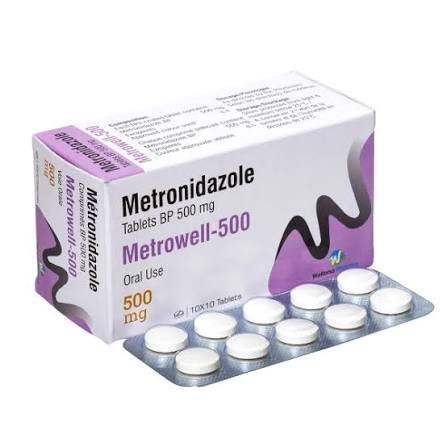
Metronidazole belongs to a class of medicines known as nitroimidazole antibiotics. It works by entering bacteria and parasites and damaging their DNA, preventing them from growing and multiplying. As the microorganisms die, your body’s immune system clears the infection.
The medicine is available in several forms, including tablets, capsules, creams, gels, injections, and vaginal preparations. The 500mg tablet is one of the most commonly prescribed strengths because it effectively treats moderate to severe infections.
How This Antibiotic Works
Unlike antibiotics used for colds or flu, Metronidazole does not treat viral infections. It is designed specifically for infections caused by susceptible bacteria and parasites.
Common Brand Names
Some common brands include:
- Flagyl
- Acea (UK)
- Generic Metronidazole
Generic versions contain the same active ingredient and are usually much cheaper.
Medical Uses of Metronidazole 500mg
Doctors prescribe Metronidazole for numerous infections. According to NHS guidance and UK prescribing information, common uses include:
1. Bacterial Infections
It is commonly prescribed for:
- Pelvic infections
- Abdominal infections
- Bone infections
- Brain infections
- Blood infections
- Lung infections
- Skin infections after surgery
2. Bacterial Vaginosis
Metronidazole is considered one of the first-line treatments for bacterial vaginosis (BV).
3. Dental and Gum Infections
Dentists frequently prescribe it for:
- Dental abscesses
- Gum infections
- Severe tooth infections
4. Parasitic Infections
It effectively treats:
- Giardiasis
- Amoebiasis
- Trichomoniasis
5. Helicobacter pylori (H. pylori)
Doctors may prescribe Metronidazole with other antibiotics and acid-reducing medicines to eliminate H. pylori, a bacterium associated with stomach ulcers.
Recommended Dosage
The correct dosage depends entirely on the infection being treated.
Typical adult doses include:
| Condition | Typical Dose |
|---|---|
| Bacterial infections | 500 mg every 8–12 hours |
| Dental infections | 400–500 mg several times daily |
| Bacterial vaginosis | 500 mg twice daily for 7 days |
| H. pylori | Combined with other medicines |

Always complete the full prescribed course, even if symptoms improve before the medication is finished.
Missed Dose
If you forget a dose:
- Take it as soon as you remember.
- Skip it if it is nearly time for your next dose.
- Never double the dose.
Common Side Effects
Like every medicine, Metronidazole may cause side effects, although many people experience few or none.
Common side effects include:
- Nausea
- Vomiting
- Diarrhea
- Metallic taste in the mouth
- Headache
- Loss of appetite
- Mild stomach discomfort
- Dizziness
These effects are generally temporary and improve after treatment ends.
Serious Side Effects
Seek immediate medical attention if you experience:
- Severe allergic reactions
- Difficulty breathing
- Swelling of the face or throat
- Severe skin rash
- Seizures
- Numbness or tingling in the hands or feet
- Persistent confusion
- Yellowing of the skin or eyes (possible liver injury)
Although these reactions are rare, they require urgent medical evaluation.
Alcohol Warning
One of the most important precautions is to avoid alcohol while taking Metronidazole and for 48 hours after your last dose. Mixing alcohol with this medicine can cause unpleasant reactions such as:
- Severe nausea
- Vomiting
- Flushing
- Rapid heartbeat
- Stomach pain
- Headache
This warning is emphasized in official patient information.
Drug Interactions
Tell your healthcare provider if you take:
- Warfarin
- Lithium
- Phenytoin
- Phenobarbital
- Disulfiram
Metronidazole may interact with these medicines and require dose adjustments.
Price in the USA and UK (2026)
Prices vary depending on the pharmacy, insurance coverage, and whether you purchase the generic or brand-name product.
| Country | Estimated Generic Price |
|---|---|
| USA | $8–$25 for 14–20 tablets (500 mg) without insurance; prices may be lower with pharmacy discount programs. |
| UK | £3–£10 through private pharmacies; NHS prescription charges apply where applicable in England, while prescriptions are free in Scotland, Wales, and Northern Ireland for eligible patients. |
Generic Metronidazole is significantly less expensive than branded versions.
Safety Tips
To get the best results from Metronidazole:
- Take it exactly as prescribed.
- Finish the entire course.
- Avoid alcohol during treatment and for 48 hours afterward.
- Take tablets with food if they upset your stomach.
- Inform your doctor if you are pregnant, breastfeeding, or have liver disease.
- Contact your healthcare provider if side effects become severe or do not improve.
Conclusion
Metronidazole 500mg tablets remain one of the most effective antibiotics for treating a wide range of bacterial and parasitic infections. From dental abscesses and bacterial vaginosis to abdominal infections and H. pylori treatment, this medication has been trusted by healthcare professionals for decades. When used correctly and under medical supervision, it provides excellent results while helping reduce the spread of infection.
Because Metronidazole is a prescription-only medicine, it should never be taken without a healthcare provider’s advice. Follow the prescribed dosage carefully, complete the full treatment course, avoid alcohol, and report any serious side effects promptly. If you have questions about the medicine or its cost, your doctor or pharmacist can provide guidance specific to your situation.
Frequently Asked Questions (FAQs)
1. What is Metronidazole 500mg used for?
It is used to treat bacterial infections, parasitic infections, dental infections, bacterial vaginosis, and certain stomach infections caused by H. pylori.
2. Can I drink alcohol while taking Metronidazole?
No. Avoid alcohol during treatment and for at least 48 hours after your final dose because it can cause severe side effects.
3. What are the most common side effects?
Common side effects include nausea, vomiting, diarrhea, headache, dizziness, and a metallic taste in the mouth.
4. Is Metronidazole available over the counter?
No. In both the USA and the UK, Metronidazole is available only with a prescription.
5. How much does Metronidazole 500mg cost?
Generic tablets generally cost about $8–$25 in the USA and £3–£10 in the UK, depending on the pharmacy and prescription coverage.