Gout: Information, Medicine Names, Uses, Side Effects, and Prices in the USA, UK, and Worldwide
Gout is one of the most common forms of inflammatory arthritis, affecting millions of people worldwide. It develops when uric acid levels become too high, leading to the formation of sharp urate crystals inside the joints. These crystals trigger sudden episodes of severe pain, redness, swelling, and stiffness that can make even simple daily activities difficult. Although gout has long been associated with rich foods and alcohol, modern research shows that genetics, kidney function, medications, obesity, and chronic diseases also play significant roles.
The good news is that gout is highly treatable. Several medications can quickly relieve painful attacks, while others help lower uric acid levels and prevent future flare-ups. Understanding how these medicines work, their possible side effects, and their average prices can help patients make informed decisions alongside their healthcare providers.
What Is Gout?
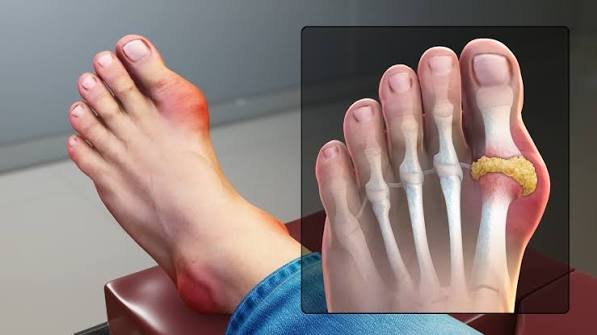
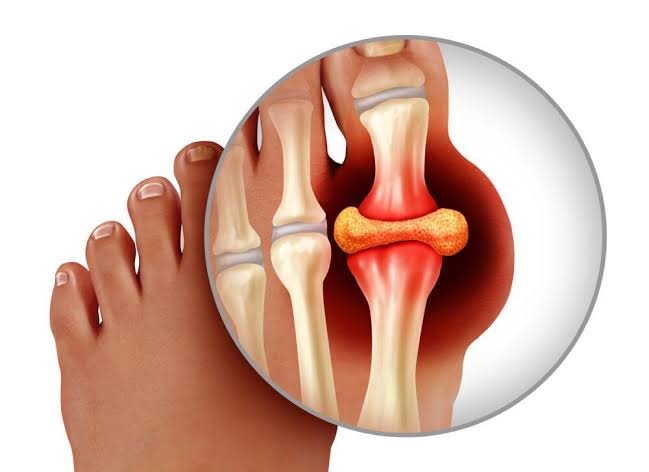
Gout is a type of arthritis caused by the accumulation of monosodium urate crystals in joints. When blood contains too much uric acid, the kidneys cannot remove enough of it. Excess uric acid eventually forms crystals that settle in joints and surrounding tissues.
The disease often affects the:
- Big toe
- Ankle
- Knee
- Wrist
- Elbow
- Fingers
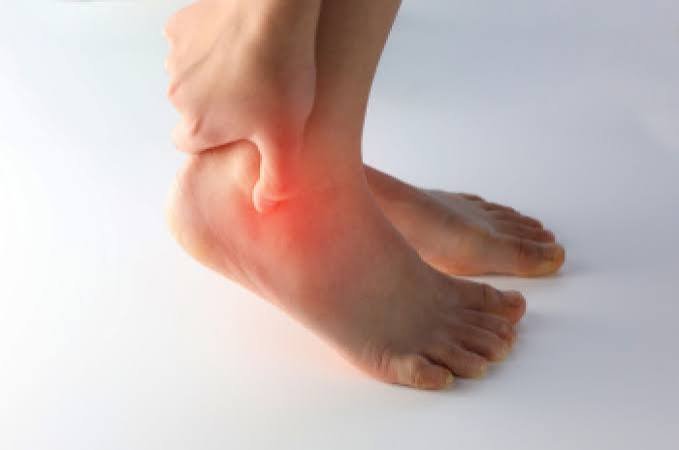
Many patients experience attacks that begin suddenly during the night. Pain usually peaks within 12 to 24 hours and may last several days.
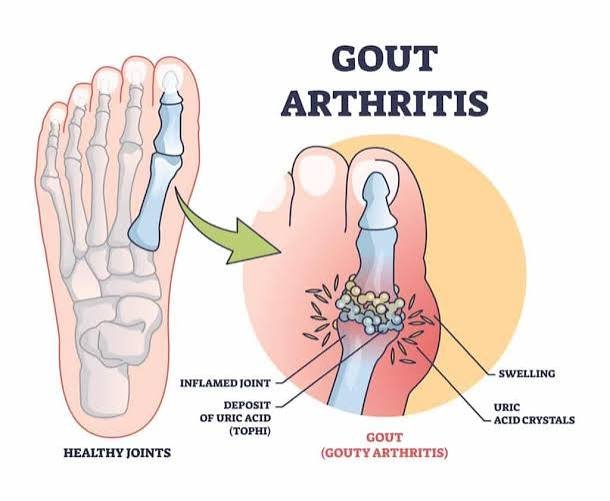
Symptoms of Gout
Common symptoms include:
- Sudden severe joint pain
- Swelling
- Redness
- Warmth around the affected joint
- Tenderness to touch
- Difficulty walking
- Limited joint movement
Without treatment, attacks may become more frequent and eventually damage joints permanently.
Causes of Gout
Several factors increase the risk of developing gout.
High Uric Acid Levels
This is the main cause. Uric acid forms when the body breaks down substances called purines.
Diet
Foods rich in purines include:
- Red meat
- Organ meat
- Seafood
- Alcohol
- Sugary beverages
Obesity
Extra body weight increases uric acid production and reduces kidney removal.
Kidney Disease
Poor kidney function prevents proper uric acid excretion.
Genetics
Family history significantly increases risk.
Certain Medicines
Some medications raise uric acid levels, including:
- Diuretics
- Low-dose aspirin
- Cyclosporine
- Tacrolimus
Risk Factors
People are more likely to develop gout if they have:
- High blood pressure
- Diabetes
- Chronic kidney disease
- Heart disease
- Metabolic syndrome
- Obesity
- Family history of gout
- Age over 40 (men)
- Postmenopausal women
How Doctors Diagnose Gout
Diagnosis usually includes:
Medical History
Doctors ask about symptoms and previous attacks.
Physical Examination
Swollen joints provide important clues.
Blood Test
Measures uric acid levels.
Joint Fluid Test
The most accurate method involves examining joint fluid under a microscope for urate crystals.
Imaging
Ultrasound and Dual-Energy CT scans may detect urate deposits.
Medicines Used for Gout
Treatment generally involves two goals:
- Relieving acute attacks
- Preventing future attacks
1. Colchicine
Brand Names
- Colcrys
- Mitigare
- Generic Colchicine
Uses
Colchicine reduces inflammation during acute gout attacks. It is also used in low doses to prevent attacks when beginning uric acid-lowering therapy.
Common Side Effects
- Nausea
- Vomiting
- Diarrhea
- Stomach pain
Serious Side Effects
- Muscle weakness
- Bone marrow suppression
- Low blood cell counts
- Nerve damage (rare)
Average Price
| Country | Approximate Price |
|---|---|
| USA | $20–$250 (generic vs brand) |
| UK | NHS prescription charge or approximately £5–£20 privately |
| Worldwide | Varies depending on country |
2. Allopurinol
Brand Names
- Zyloprim
- Lopurin
- Generic Allopurinol
Uses
Allopurinol reduces uric acid production and is considered the first-line long-term treatment for gout prevention.
Common Side Effects
- Rash
- Nausea
- Drowsiness
- Mild stomach upset
Serious Side Effects
- Severe allergic skin reactions
- Liver injury
- Kidney problems
Average Price
| Country | Approximate Price |
|---|---|
| USA | $10–$50/month (generic) |
| UK | NHS prescription charge or £2–£10 privately |
| Worldwide | Usually inexpensive |
3. Febuxostat
Brand Names
- Uloric (USA)
- Adenuric (Europe)
Uses
Febuxostat lowers uric acid in patients who cannot tolerate allopurinol or when allopurinol is ineffective.
Common Side Effects
- Headache
- Nausea
- Joint pain
- Elevated liver enzymes
Serious Side Effects
Some studies have reported an increased risk of cardiovascular events in certain patients, so careful medical supervision is important.
Average Price
| Country | Approximate Price |
|---|---|
| USA | $40–$500/month |
| UK | £20–£40 privately |
| Worldwide | Moderate to expensive |
4. Indomethacin
Brand Names
- Indocin
Uses
A powerful NSAID used to relieve pain and inflammation during acute gout attacks.
Common Side Effects
- Heartburn
- Dizziness
- Nausea
- Headache
Serious Side Effects
- Gastrointestinal bleeding
- Kidney damage
- Heart attack or stroke risk with prolonged use
Average Price
| Country | Approximate Price |
|---|---|
| USA | $15–$60 |
| UK | NHS or £5–£15 privately |
| Worldwide | Affordable |
5. Naproxen
Brand Names
- Naprosyn
- Aleve
Uses
Widely prescribed to reduce inflammation and pain during gout attacks.
Side Effects
- Indigestion
- Stomach ulcers
- Kidney problems
- High blood pressure
Price
| Country | Approximate Price |
|---|---|
| USA | $5–$30 |
| UK | £3–£10 |
| Worldwide | Low cost |
6. Prednisone
Uses
Prednisone is a corticosteroid used when NSAIDs or colchicine cannot be taken.
Side Effects
- Increased blood sugar
- Weight gain
- Mood changes
- Insomnia
- High blood pressure
Average Price
| Country | Approximate Price |
|---|---|
| USA | $5–$20 |
| UK | NHS or £3–£10 |
| Worldwide | Affordable |
7. Probenecid
Uses
Helps the kidneys remove more uric acid.
Side Effects
- Kidney stones
- Rash
- Nausea
- Headache
Price
| Country | Approximate Price |
|---|---|
| USA | $20–$80 |
| UK | Limited availability |
| Worldwide | Varies |
Lifestyle Changes That Help Prevent Gout
Medication works best when combined with healthy lifestyle habits. Important recommendations include:
- Drink plenty of water every day.
- Limit alcohol, especially beer and spirits.
- Reduce sugary drinks and foods high in fructose.
- Eat more vegetables, whole grains, and low-fat dairy products.
- Maintain a healthy body weight.
- Exercise regularly.
- Avoid crash diets or prolonged fasting.
- Follow your doctor’s treatment plan and take medicines as prescribed.
Foods to Eat
A balanced diet can help reduce the frequency of gout attacks. Foods that are generally recommended include:
- Low-fat milk and yogurt
- Fresh fruits
- Vegetables
- Whole grains
- Nuts
- Eggs
- Chicken in moderation
- Coffee (for some individuals, moderate intake may be beneficial)
- Cherries, which may help reduce the risk of gout flares in some people
Foods to Limit or Avoid
Certain foods contain high levels of purines and may increase uric acid levels. These include:
- Liver and other organ meats
- Red meat
- Shellfish
- Sardines
- Anchovies
- Beer
- Sugary soft drinks
- Foods and beverages high in fructose
Possible Complications of Untreated Gout
If gout is left untreated, it can lead to serious health problems, including:
- Chronic gouty arthritis
- Permanent joint damage
- Tophi (hard uric acid deposits under the skin)
- Kidney stones
- Reduced kidney function
- Increased risk of cardiovascular disease in some patients
Early diagnosis and long-term management can help prevent these complications.
Can Gout Be Cured?
There is currently no permanent cure for gout. However, it is one of the most manageable forms of arthritis. By keeping uric acid levels within the target range through medication, diet, and lifestyle changes, many people can prevent attacks altogether and maintain normal joint function. Regular follow-up with a healthcare provider is essential to monitor uric acid levels and adjust treatment when needed.
Conclusion
Gout is a painful but highly treatable condition caused by elevated uric acid levels that lead to crystal formation in the joints. Modern medicines such as Allopurinol, Colchicine, Febuxostat, Indomethacin, Naproxen, Prednisone, and Probenecid play important roles in relieving acute attacks and preventing future flare-ups. Along with medication, healthy eating, staying hydrated, maintaining a healthy weight, and limiting alcohol intake can significantly reduce the frequency and severity of gout attacks. Because medicine prices vary across the USA, UK, and other countries, patients should consult local pharmacies, insurance providers, or healthcare professionals for the most accurate and up-to-date pricing. Always use gout medications under the supervision of a qualified healthcare provider to ensure safe and effective treatment.
Frequently Asked Questions (FAQs)
1. What is the best medicine for gout?
Allopurinol is generally considered the first-choice medication for long-term prevention, while Colchicine and NSAIDs are commonly used to treat acute gout attacks.
2. Can gout go away without medicine?
A gout attack may improve on its own after several days or weeks, but without proper treatment, attacks often return and may become more severe over time.
3. Is gout a lifelong disease?
Gout is usually a chronic condition, but it can be effectively controlled with the right medications and lifestyle changes.
4. Which foods should people with gout avoid?
People with gout should limit red meat, organ meats, shellfish, beer, sugary drinks, and foods high in purines, as these can increase uric acid levels.
5. Are gout medicines safe for long-term use?
Many gout medications are safe when taken as prescribed and monitored by a healthcare provider. Regular blood tests may be recommended to monitor kidney function, liver function, and uric acid levels.
Hi
List healmedicare.com in Google’s Search Index and have it appear in online search results!
Add healmedicare.com now:
helpindex.org