
What Is Arixtra 2.5mg Pre-Filled Syringe?
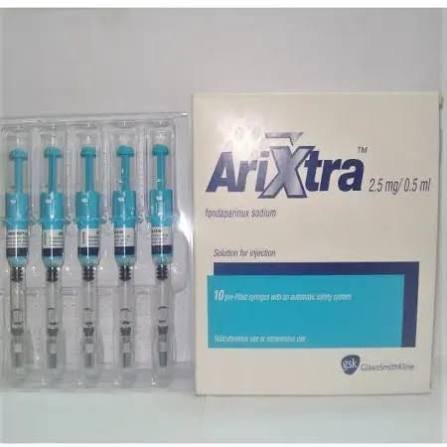
Arixtra 2.5mg Pre-Filled Syringe is a prescription anticoagulant medication that helps prevent and treat dangerous blood clots. Its active ingredient, Fondaparinux Sodium, belongs to a class of medicines commonly known as blood thinners. Although many people refer to these medicines as blood thinners, they do not actually make the blood thinner. Instead, they reduce the blood’s ability to form harmful clots that can block veins or arteries and potentially cause life-threatening complications.
Doctors commonly prescribe Arixtra after orthopedic surgeries such as hip replacement, knee replacement, or surgery for hip fractures, where patients are at a significantly increased risk of developing blood clots due to prolonged immobility. It is also widely used in hospitals for the treatment of Deep Vein Thrombosis (DVT) and Pulmonary Embolism (PE). These conditions occur when blood clots form in the deep veins, usually in the legs, and can travel to the lungs, creating a medical emergency.
Unlike traditional anticoagulants that require regular blood testing, Arixtra generally offers a more predictable anticoagulant effect. This allows many patients to receive treatment without frequent laboratory monitoring. However, it remains a powerful prescription medicine and should only be used under the supervision of a qualified healthcare provider.
Active Ingredient
The active ingredient in Arixtra is Fondaparinux Sodium, a synthetic anticoagulant specifically designed to block Factor Xa, an essential enzyme involved in the body’s blood clotting process.
When Factor Xa is inhibited, the body produces much less thrombin, a protein responsible for converting fibrinogen into fibrin, which forms the structural framework of blood clots. By reducing thrombin production, Arixtra significantly lowers the risk of harmful clot formation without directly dissolving existing clots.
This targeted mechanism provides an effective approach for preventing clot-related complications while maintaining a relatively predictable safety profile compared to some older anticoagulants.
How Does Arixtra Work?
Blood clotting is a natural defense mechanism that prevents excessive bleeding after an injury. However, clots that form inside healthy blood vessels can obstruct normal blood flow and become extremely dangerous.
Arixtra selectively blocks Factor Xa, interrupting the clotting cascade before large blood clots can develop. Because of this targeted action, the medicine reduces the risk of clot formation while allowing the body’s natural healing processes to continue.
Healthcare providers frequently choose Arixtra for patients who require reliable anticoagulation after surgery or during the treatment of thromboembolic disorders because of its consistent effectiveness and straightforward dosing schedule.
Medical Uses of Arixtra 2.5mg
Arixtra is prescribed for several important medical conditions related to blood clot prevention and treatment. It plays a vital role in reducing the risk of complications that can lead to disability or even death.
Prevention of Blood Clots After Surgery
One of the primary uses of Arixtra 2.5mg is preventing blood clots following major orthopedic surgery. Surgical procedures involving the hips or knees temporarily increase the body’s tendency to form clots because patients spend extended periods resting and recovering.
Doctors typically begin Arixtra treatment after surgery once bleeding has been controlled. Daily injections continue for several days or weeks depending on the patient’s recovery, medical history, and overall risk of thrombosis.
Preventive anticoagulation has become an essential part of modern postoperative care because it significantly lowers the incidence of deep vein thrombosis and pulmonary embolism, two potentially life-threatening complications.
Treatment of Deep Vein Thrombosis (DVT)
Deep Vein Thrombosis (DVT) occurs when a blood clot forms in a deep vein, most commonly in the legs. Symptoms may include swelling, pain, warmth, tenderness, or redness in the affected limb. In some cases, DVT develops silently without noticeable symptoms, making early diagnosis especially important.
Arixtra helps prevent these clots from enlarging while allowing the body’s natural processes to gradually break them down. Early treatment also reduces the likelihood of long-term complications such as chronic leg pain, swelling, and post-thrombotic syndrome.
Patients diagnosed with DVT are often prescribed Arixtra alongside other anticoagulant therapies as part of a comprehensive treatment plan developed by their healthcare provider.
Pulmonary Embolism (PE)
A Pulmonary Embolism occurs when part of a blood clot breaks free and travels through the bloodstream into the lungs. This condition can rapidly become life-threatening because it blocks blood flow within the pulmonary arteries.
Symptoms may include sudden shortness of breath, chest pain, rapid heartbeat, dizziness, coughing up blood, or fainting. Immediate medical attention is essential whenever pulmonary embolism is suspected.
Arixtra is commonly used during the initial management of pulmonary embolism because it helps prevent additional clot formation and reduces the risk of further complications while other treatments take effect.
Dosage and Administration
The dosage of Arixtra 2.5mg Pre-Filled Syringe depends on the medical condition being treated, the patient’s body weight, kidney function, and overall health. It should only be used exactly as prescribed by a qualified healthcare professional. Because Arixtra is a powerful anticoagulant, changing the dose or stopping treatment without medical advice may increase the risk of developing blood clots or experiencing serious bleeding. The medicine is supplied as a single-use pre-filled syringe, making it convenient and helping reduce dosing errors. Most patients receive one injection every 24 hours, preferably at the same time each day to maintain consistent anticoagulant levels in the bloodstream.
For prevention of blood clots after orthopedic surgery, the standard dose is usually 2.5 mg once daily, with the first injection typically given 6 to 8 hours after surgery, provided bleeding has been adequately controlled. Treatment may continue for several days or even several weeks depending on the type of surgery and the patient’s risk of thrombosis. For the treatment of Deep Vein Thrombosis (DVT) or Pulmonary Embolism (PE), the dosage may vary according to body weight, and doctors often combine Arixtra with other oral anticoagulants during the transition phase of treatment. Patients with severe kidney disease generally should not use Arixtra because the medicine is eliminated primarily through the kidneys, increasing the risk of dangerous bleeding if it accumulates in the body.
It is equally important to avoid skipping doses. Missing an injection can reduce the protective effect of the medication and increase the likelihood of clot formation. If a dose is forgotten, patients should contact their healthcare provider for guidance rather than doubling the next dose. Keeping a medication schedule or setting daily reminders can help ensure consistent treatment and improve overall safety.
How to Inject Arixtra
Arixtra is administered as a subcutaneous injection, meaning it is injected into the fatty tissue just beneath the skin rather than directly into a muscle or vein. Most injections are given in the lower abdomen, alternating between the left and right sides to minimize skin irritation. Healthcare providers usually teach patients or caregivers the correct injection technique before home administration begins. Following proper injection procedures not only improves comfort but also helps ensure the medicine is absorbed correctly.
Before injecting, wash your hands thoroughly and inspect the syringe for any signs of damage or discoloration. Clean the injection site with an alcohol swab and allow it to dry completely. Gently pinch a fold of skin and insert the needle at a 90-degree angle. Push the plunger slowly until all of the medication has been injected. Remove the needle carefully without rubbing the injection site afterward, as rubbing can increase bruising. Dispose of the used syringe immediately in an approved sharps disposal container.
Patients should never reuse syringes or attempt to transfer the medication into another syringe. Each pre-filled syringe is designed for a single dose only. If there are any questions about the injection technique, seek additional instruction from a healthcare professional rather than guessing.
Missed Dose
Missing a scheduled dose of Arixtra can reduce its effectiveness in preventing blood clots. If a patient realizes they have missed an injection on the same day, they should contact their healthcare provider for specific advice. The exact recommendation may depend on how much time has passed since the scheduled injection and the medical condition being treated.
Patients should never inject two doses at the same time or administer extra medication to compensate for a missed injection. Doing so may significantly increase the risk of severe bleeding complications. Instead, continue following the healthcare provider’s instructions and resume the regular dosing schedule if advised.
Using smartphone reminders, medication calendars, or pill management applications can help patients remember daily injections. Since anticoagulant therapy is often time-sensitive, maintaining a consistent schedule plays an important role in achieving the best possible treatment outcomes.
Side Effects of Arixtra 2.5mg
Like all medications, Arixtra 2.5mg Pre-Filled Syringe may cause side effects, although not everyone experiences them. Most side effects are mild and temporary, but some can become serious and require immediate medical attention. Understanding these possible reactions allows patients to recognize warning signs early and seek appropriate care if needed.
Because Arixtra reduces the blood’s ability to clot, bleeding is the most important potential side effect. Minor bruising at the injection site is relatively common and usually resolves without treatment. However, unusual or persistent bleeding should never be ignored. Patients should immediately inform their doctor if they notice symptoms such as prolonged nosebleeds, bleeding gums, black stools, blood in urine, vomiting blood, severe headaches, or unexplained weakness, as these may indicate internal bleeding.
The overall risk of side effects varies depending on age, kidney function, medical history, and whether other medications that affect blood clotting are being taken simultaneously. Regular medical follow-up helps ensure the medication remains both safe and effective throughout the treatment period.
Common Side Effects
Most patients tolerate Arixtra well, and common side effects are generally mild. These may include:
| Common Side Effect | Description |
|---|---|
| Injection site bruising | Mild bruising, redness, or swelling where the injection is given |
| Minor bleeding | Small nosebleeds or bleeding from small cuts |
| Anemia | Reduced red blood cell count causing tiredness |
| Nausea | Mild stomach discomfort in some patients |
| Headache | Usually temporary and mild |
These side effects often improve as the body adjusts to treatment. Nevertheless, patients should inform their healthcare provider if symptoms become persistent or worsen over time.
Serious Side Effects
Although uncommon, serious adverse reactions require immediate medical evaluation. Severe bleeding remains the most significant concern associated with anticoagulant therapy.
Seek emergency medical attention immediately if any of the following occur:
- Heavy or uncontrolled bleeding
- Vomiting blood
- Black or tar-like stools
- Blood in urine
- Severe dizziness or fainting
- Sudden severe headache
- Difficulty breathing
- Swelling of the face or throat
- Signs of an allergic reaction
- Sudden weakness or numbness
These symptoms may indicate a life-threatening condition requiring urgent medical treatment. Never ignore severe bleeding while using anticoagulant medications.
Warnings and Precautions
Arixtra 2.5mg Pre-Filled Syringe is a highly effective anticoagulant, but it is not suitable for everyone. Before starting treatment, your healthcare provider will carefully review your medical history, kidney function, current medications, and any previous bleeding disorders. Because Arixtra works by reducing the blood’s ability to clot, even minor injuries may lead to prolonged bleeding. Patients should avoid activities with a high risk of cuts or trauma and should inform dentists, surgeons, and other healthcare professionals that they are using this medication before undergoing any medical or dental procedure.
People with severe kidney disease generally should not use Arixtra because the medicine is eliminated through the kidneys. Reduced kidney function can cause the drug to remain in the body longer than intended, significantly increasing the risk of dangerous bleeding. Patients with low body weight, advanced age, stomach ulcers, uncontrolled high blood pressure, or a history of bleeding disorders may also require additional monitoring during treatment. Routine follow-up appointments allow healthcare providers to assess whether the benefits of therapy continue to outweigh any potential risks.
Another important precaution involves spinal or epidural procedures. Patients receiving spinal anesthesia or undergoing lumbar puncture while taking anticoagulants have a rare but serious risk of developing a spinal hematoma, which can lead to permanent paralysis if not treated promptly. Anyone experiencing severe back pain, numbness, muscle weakness, or loss of bladder or bowel control after such procedures should seek emergency medical attention immediately.
Drug Interactions
Drug interactions can increase either the risk of bleeding or reduce the effectiveness of treatment. For this reason, patients should always provide a complete list of prescription medications, over-the-counter medicines, herbal products, and dietary supplements before beginning Arixtra therapy. Even common pain relievers can affect blood clotting and may not be safe to use together with anticoagulants unless specifically recommended by a healthcare provider.
The following table summarizes some of the most important interactions.
| Medication Type | Examples | Possible Effect |
|---|---|---|
| Other anticoagulants | Warfarin, Heparin, Apixaban, Rivaroxaban | Increased bleeding risk |
| Antiplatelet medicines | Clopidogrel, Ticagrelor | Higher chance of serious bleeding |
| NSAIDs | Ibuprofen, Naproxen, Diclofenac | Increased stomach and internal bleeding |
| Aspirin | Low-dose or regular aspirin | May increase bleeding unless prescribed together |
| Herbal supplements | Ginkgo Biloba, Garlic, Ginseng | Possible increase in bleeding tendency |
Patients should never start or stop any medication while using Arixtra without consulting their healthcare provider. Even vitamins and natural supplements may interact with anticoagulants. Reading medication labels carefully and informing pharmacists about ongoing anticoagulant therapy can help prevent potentially harmful interactions.
Pregnancy and Breastfeeding
The use of Arixtra during pregnancy should only occur when the potential benefits clearly outweigh the possible risks to both the mother and the unborn baby. Blood clotting disorders during pregnancy can pose serious health risks, and in certain situations, physicians may determine that anticoagulant therapy is medically necessary. However, treatment decisions are individualized and require careful monitoring throughout pregnancy.
There is limited information regarding the passage of fondaparinux into human breast milk. Because of this uncertainty, breastfeeding mothers should discuss the benefits and potential risks with their healthcare provider before using Arixtra. Alternative treatment options may sometimes be considered depending on the mother’s medical condition and the infant’s needs.
Women who become pregnant while using Arixtra should notify their healthcare provider immediately. They should not discontinue the medication on their own, as suddenly stopping anticoagulant therapy may increase the risk of serious blood clot formation.
Arixtra 2.5mg Price (2026)
The price of Arixtra 2.5mg Pre-Filled Syringe varies depending on the country, pharmacy, healthcare system, insurance coverage, and package size. Generic availability and local import regulations may also affect the final cost paid by patients.
The table below provides approximate retail price ranges for reference only. Actual prices may differ by location and pharmacy.
| Country | Approximate Price |
|---|---|
| United States | US$130–US$220 (pack of 10 syringes) |
| United Kingdom | £80–£140 |
| Pakistan | PKR 18,000–35,000 (availability may vary) |
| India | ₹4,500–₹9,000 |
| UAE | AED 450–800 |
Patients are encouraged to compare prices at licensed pharmacies and check whether their health insurance covers the medication. Because pricing changes over time, contacting local pharmacies is the best way to obtain the most current cost.
Storage Instructions
Proper storage helps maintain the safety and effectiveness of Arixtra throughout its shelf life. Keep the pre-filled syringes at room temperature, generally between 15°C and 25°C, unless your pharmacist provides different storage instructions. Avoid exposing the medication to excessive heat, direct sunlight, or freezing temperatures, as extreme conditions may affect its stability.
Store the syringes in their original packaging until they are ready to be used. Keep them out of the reach of children and pets. Do not use the medication if the syringe is damaged, the solution appears cloudy or contains particles, or the expiration date has passed. After each injection, dispose of the used syringe immediately in an approved sharps container and never reuse a syringe.
Conclusion
Arixtra 2.5mg Pre-Filled Syringe is an effective prescription anticoagulant that plays a crucial role in preventing and treating serious blood clotting conditions such as Deep Vein Thrombosis (DVT) and Pulmonary Embolism (PE). Its active ingredient, Fondaparinux Sodium, works by selectively blocking Factor Xa, helping reduce the formation of harmful blood clots while offering predictable anticoagulant activity. For many patients recovering from orthopedic surgery or managing thromboembolic disorders, Arixtra provides reliable protection when used exactly as prescribed.
Like all anticoagulants, however, Arixtra carries an important risk of bleeding. Patients should carefully follow dosing instructions, learn the correct injection technique, attend regular medical follow-up appointments, and seek immediate medical attention if symptoms of serious bleeding occur. Discussing all current medications, supplements, and existing medical conditions with a healthcare provider helps minimize complications and ensures the safest possible treatment experience.
Frequently Asked Questions (FAQs)
1. What is Arixtra 2.5mg used for?
Arixtra is used to prevent and treat blood clots, including Deep Vein Thrombosis (DVT), Pulmonary Embolism (PE), and blood clot prevention after certain surgeries.
2. Is Arixtra a blood thinner?
Yes. Arixtra is commonly referred to as a blood thinner, although it works by blocking Factor Xa to reduce blood clot formation rather than thinning the blood itself.
3. Can I inject Arixtra at home?
Yes. Many patients self-administer Arixtra at home after receiving proper training from a healthcare professional on the correct injection technique.
4. What foods should I avoid while taking Arixtra?
Unlike warfarin, Arixtra does not require major dietary restrictions related to vitamin K intake. However, patients should avoid excessive alcohol consumption and always discuss supplements or herbal products with their healthcare provider.
5. Can I stop taking Arixtra once I feel better?
No. You should never stop Arixtra without medical advice, even if your symptoms improve. Stopping treatment too early may increase the risk of developing dangerous blood clots.